For several years, armed conflicts, humanitarian crises, and diplomatic tensions have been arising at a rapid pace, highlighting the structural limitations of the United Nations. From Eastern Europe to the Middle East, through Sub-Saharan Africa, calls for ceasefires often clash with inaction or persistent political deadlocks.
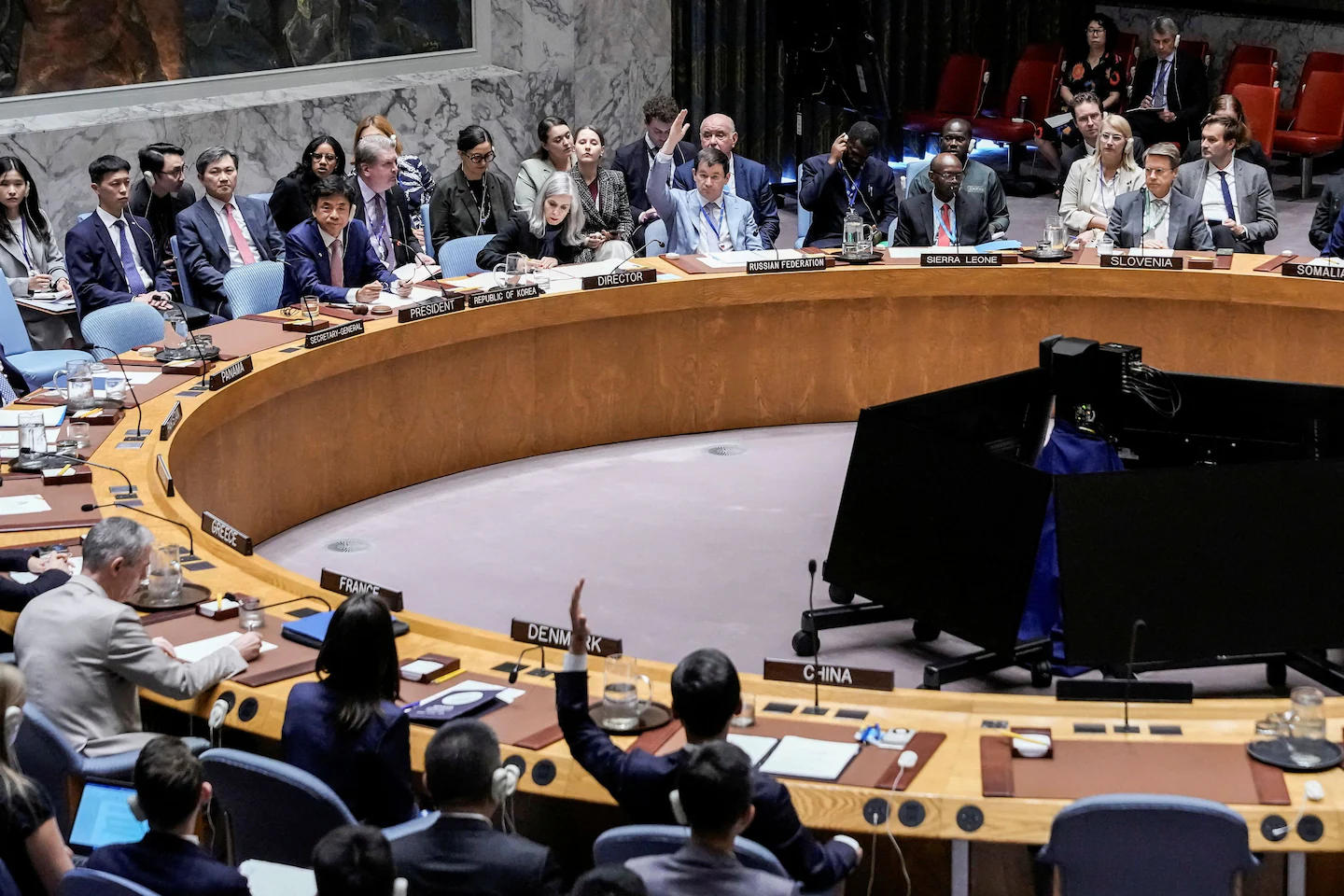
The Security Council, meant to be the central decision-making body, appears increasingly paralyzed by the veto power of the major powers. This mechanism, a legacy of the post-World War II era, prevents any collective response whenever the strategic interests of the permanent members are at stake. The result is a weakening of the institution's perceived legitimacy, especially in global public opinion.
On the ground, peacekeeping operations remain essential but insufficient. Underfunded, constrained by limited mandates, and exposed to complex security contexts, they struggle to produce lasting results. This reality fosters the perception of a UN that is more reactive on humanitarian grounds than genuinely decisive on political matters.
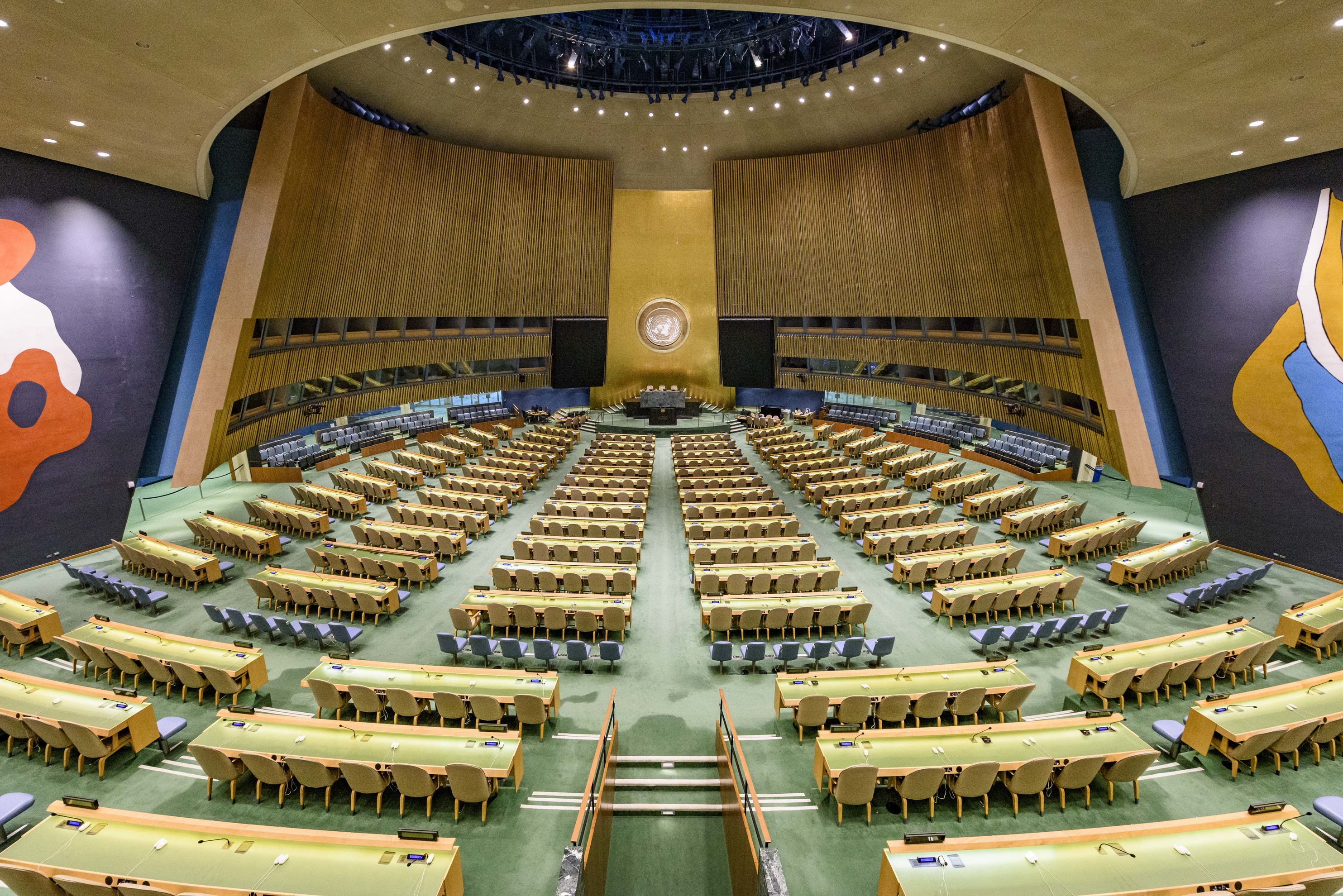
Yet, despite its dysfunctions, the UN remains a unique space for multilateral dialogue. It continues to play a central role in the coordination of humanitarian aid, preventive diplomacy, and the establishment of international norms. The question is not so much about its disappearance, but about its transformation.
The future credibility of the UN will depend on its ability to reform, adapt its decision-making mechanisms, and respond to the new balances of a multipolar world. Without structural evolution, there is a real risk of relegating the institution to an essentially symbolic role.