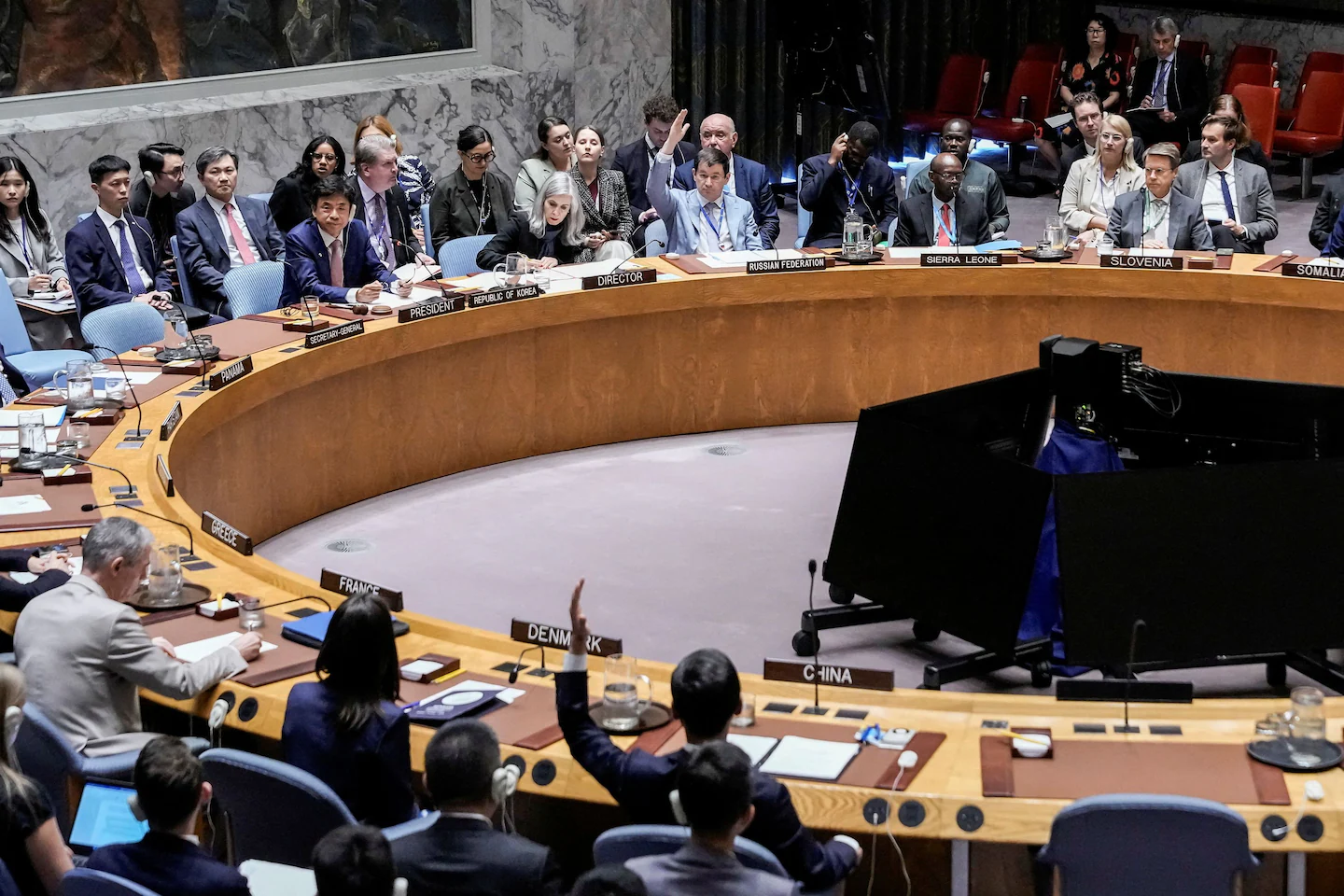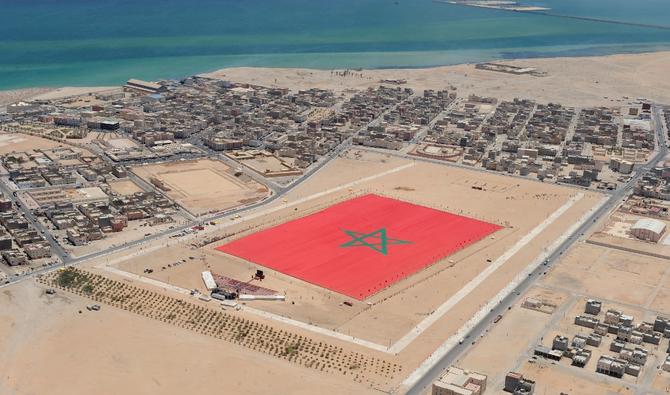
Maghreb-Arab diplomacy is undergoing a profound transformation since the UN vote on theresolution 2797, which prolongs the MINURSO mandate and effectively validates theMoroccan autonomy plan as a realistic basis for a sustainable political solution.
This text, supported by the United States, France, and the United Kingdom, has triggered a quiet realignment within several Arab capitals.
A Vote Reflecting Shifting Balances
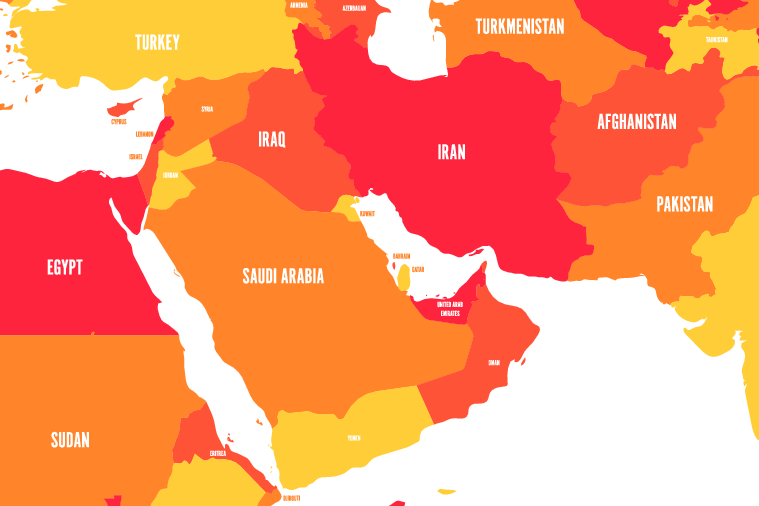
While Algeria chose to abstain, several Gulf countries have publicly reaffirmed their support for Morocco. Saudi Arabia and the United Arab Emirates, already signatories of strategic agreements with Rabat, emphasized in their statements "the commitment to the territorial integrity of the Kingdom and regional stability."
At the same time, Qatar, often more measured on the Sahara issue, has signaled a balanced position, keen not to offend its Maghreb partners.
Morocco at the Heart of the New Regional Game
Rabat finds itself at the center of a broader reshaping where economic diplomacy joins symbolic diplomacy. The Kingdom now benefits from a dual credibility: a strong African presence and strengthened Arab legitimacy.
This position of discreet mediator is particularly evident in the energy and security initiatives undertaken with the Emirates, as well as in the increasing military cooperation with certain Gulf countries.
A Diplomacy of Realism
"Morocco has managed to convince through the consistency and moderation of its foreign policy," said recentlyNasser Bourita, Moroccan Minister of Foreign Affairs, in an interview with 2M. "The Sahara question is not only a national issue; it is now a test of credibility for those advocating stability and peace in the region."
This pragmatic approach, supported by Western partners, contrasts with Algeria's increasing diplomatic isolation.
Towards a Rabat-Riyadh-Abu Dhabi Axis?
The convergence of interests between Morocco and the Gulf monarchies could herald a new axis of influence within the Arab League. This axis is based less on ideological solidarity than on a community of interests: security, investments, energy, and digital governance.
In a global context marked by Sino-American rivalry and the reconfiguration of the Middle East, Rabat appears to be positioning itself as thepivot of a moderate and stable Arab bloc, capable of engaging in dialogue with Europe, Africa, and the United States.