What if the dream of a united Maghreb became possible again?
In a global context marked by the regionalization of economic blocs and the return of strategic alliances, the idea of a Union of Arab Maghreb (UMA) is resurfacing.
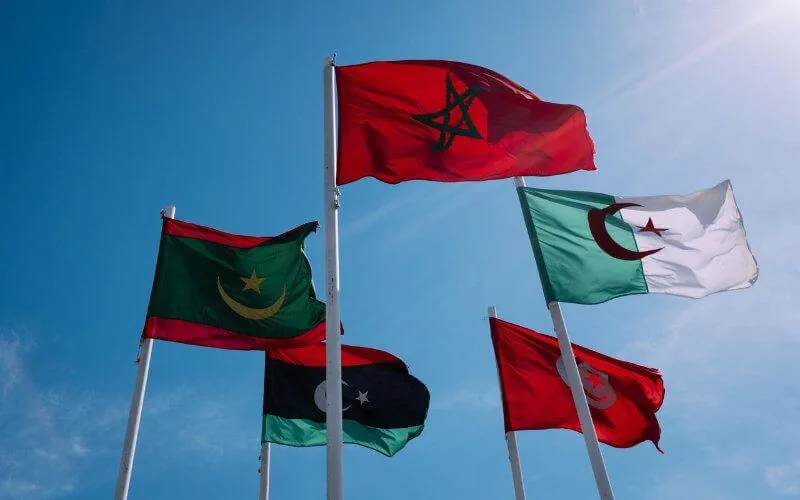
Sixty years after its foundational mention, what would Morocco, Algeria, Tunisia, Libya, and Mauritania gain if this union were finally realized?
A common market of over 100 million inhabitants
Today fragmented, the Maghreb has a colossal economic potential.
Unified, these five countries would create an internal market exceeding 100 million consumers, with a combined GDP of over 500 billion dollars.
Such integration would allow for:
-
a free movement of goods and people, boosting inter-Maghreb trade (currently less than 5% of total exchanges, one of the lowest in the world);
-
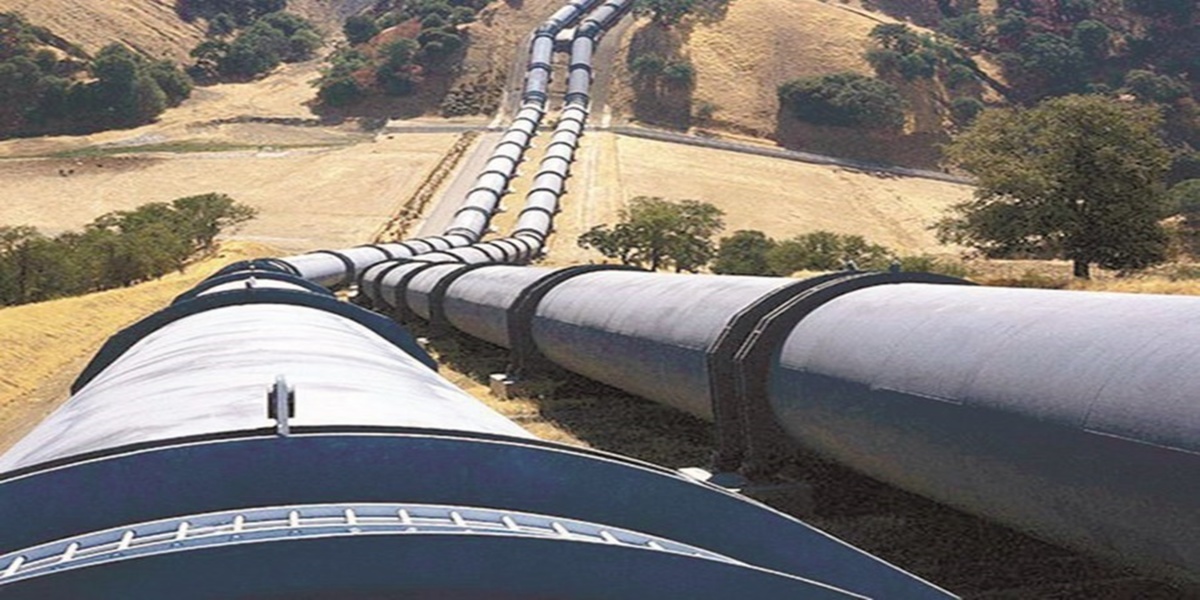
a better energy complementarity, with Libya and Algeria supplying gas and oil, while Morocco and Tunisia develop renewable energies;
-
an efficient industrial and agricultural cooperation that reduces reliance on external markets.
A strategic bloc on the international stage
A Maghreb union would restore to the region a significant geopolitical weight between Europe, the Sahel, and the Arab world.
By speaking with one voice, the Maghreb could:
-
have a greater say in negotiations with the European Union, particularly on migration, visas, and trade agreements;
-
strengthen its south-south cooperation with African and Asian countries;
-
have a unified position within the African Union, where regional divisions further weaken the continent’s diplomacy.
Such cohesion would offer increased stability and a credible counterweight to competing foreign influences.
A regional energy and logistics power
The complementarity of natural resources is clear:
-
the Algerian and Libyan gas and oil,
-
the Moroccan Atlantic and Mediterranean ports,
-
the skilled Tunisian workforce,
-
the geographical advantages of Mauritania opening towards West Africa.
Together, these assets would make the Maghreb a global energy and logistics hub, capable of connecting Africa, Europe, and the Middle East through a unified network of infrastructure, pipelines, and trade corridors.
Enhanced social and cultural integration
Beyond the numbers, the union of the Maghreb would rejuvenate a shared identity : language, history, culture, and common values.
University, artistic, and tourist exchanges could intensify, promoting:
-
the mobility of students and researchers,
-
the development of a common Maghreb cinema and press,
-
the establishment of a Maghreb citizenship that respects national specificities.
A unified Maghreb would not only be an economic zone but a civilizational space in its own right.
The obstacles to overcome
Despite the obvious advantages, several challenges remain:
-
the persistence of political and diplomatic divergences,
-
the closure of land borders between Morocco and Algeria,
-
the differences in economic regimes and historical mistrusts.
These obstacles are not insurmountable: they require a renewed political will and a shared vision for the future.
Conclusion
A unified Maghreb would not be a utopia, but a pragmatic response to the challenges of the 21st century.
In the face of global economic crises, migratory tensions, and climate issues, the union of the Maghreb could transform the region into a center of stability, prosperity, and influence.
This dream, often deferred, remains within reach — provided we transcend mental as well as physical borders.