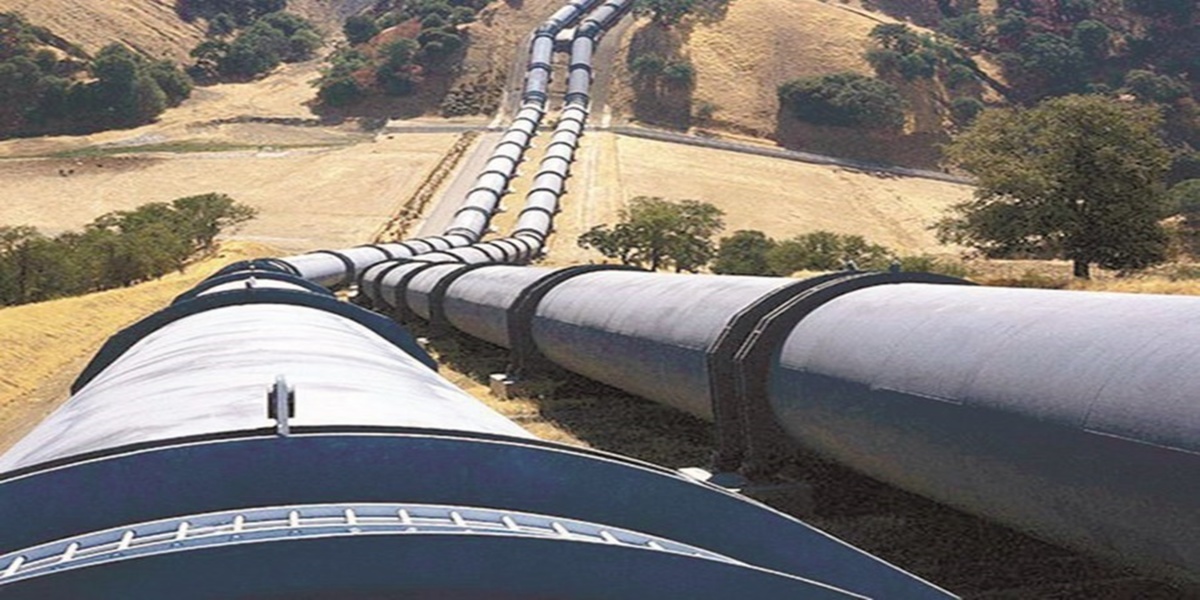
The Nigeria-Morocco gas pipeline has become one of the continent's most discussed strategic projects in just a few years. Conceived to transport Nigerian gas to West Africa and then to Morocco, before reaching European markets, this energy corridor spans nearly 5,600 kilometers and embodies a rare continental ambition due to its scale and geopolitical implications. The project was launched in 2016 during King Mohammed VI's official visit to Abuja and further solidified through a series of bilateral and regional agreements reaffirming the commitment of both countries.
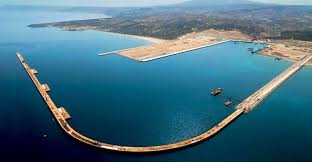
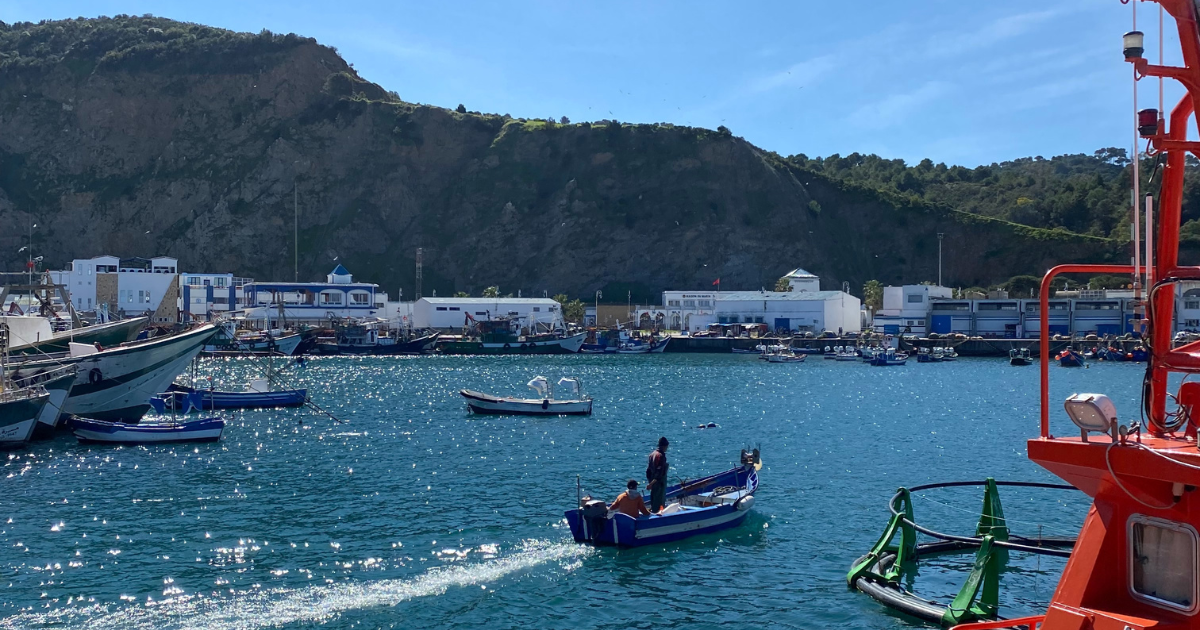
Preliminary and technical studies conducted jointly by the National Office of Hydrocarbons and Mines and the Nigerian National Petroleum Company have outlined a route along the Atlantic coast that connects thirteen coastal states. This configuration aims to foster energy integration, providing several West African countries with structured access to gas and creating a unique energy corridor on the continent.
Beyond its regional role, the project participates in an international dynamic marked by a strong demand for energy diversification. Global tensions and the reconfiguration of gas markets have made alternative corridors that can secure stable supplies independent of traditional routes particularly attractive. It is in this context that several African and international financial institutions have expressed interest. The Islamic Development Bank and the Arab Bank for Economic Development in Africa have shown their willingness to support the technical and operational phases. ECOWAS sees this gas pipeline as a lever for regional integration and actively supports consultations and regulatory harmonizations. Several African sovereign funds and European partners have also closely monitored the progress of the studies due to the potential connection to the European market via Moroccan infrastructures.
For Nigeria, the largest holder of gas reserves in Africa, the pipeline represents a long-term value opportunity by diversifying its export routes and reducing dependence on local terminals. For Morocco, it signifies a major strategic positioning aimed at making the kingdom a regional energy hub capable of linking Africa to Europe. The project also addresses a broader continental goal of enhancing energy access for millions of households and supporting the industrialization of West African coastal countries.
Challenges remain considerable, whether financial, technical, or geopolitical. The project's total cost, estimated between twenty-five and thirty billion dollars, requires a complex financing structure involving multiple partners. Discussions around route security, distribution of responsibilities, or future financing phases are still ongoing, but diplomatic signals indicate a shared willingness to advance the process. The increasing involvement of international players reinforces this dynamic, demonstrating that the Nigeria-Morocco gas pipeline is no longer just a political vision, but a project that attracts global strategic attention.
If completed, this energy corridor could redefine regional balances by strengthening ties between West Africa and the Maghreb. It would also position the continent as a more visible player in global gas supply chains. At a time when Africa seeks to consolidate its energy autonomy, this project appears as a catalyst for cooperation, economic integration, and geopolitical influence.