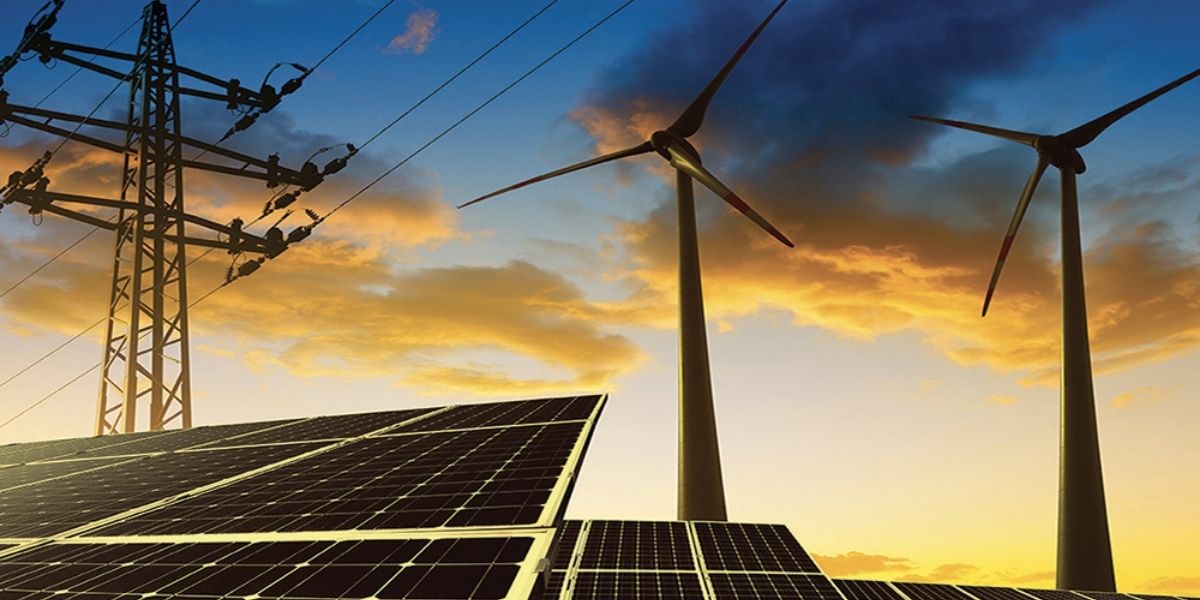
The energy question has become a central pillar of national sovereignty. For Morocco, an importer of hydrocarbons, this structural dependency on global markets represents a major risk, especially in a context of geopolitical volatility and climate change. In response to these challenges, the Kingdom has embarked on an ambitious strategy over the past two decades to transform its energy model and establish itself as a regional player in the green transition.
The turning point began in 2009 with the creation of Masen and the launch of the Moroccan Solar Plan, which gave rise to iconic projects like Noor Ouarzazate, one of the largest solar complexes in the world. Today, Morocco already produces over 40% of its electricity from renewable sources, with the goal of reaching 52% by 2030. However, behind these ambitious figures lie considerable challenges.
National energy demand continues to rise, driven by population growth, industrialization, and rural electrification. Yet, nearly 90% of hydrocarbon needs—oil and gas—are still covered by imports. The closure of the Maghreb-Europe gas pipeline by Algeria in 2021 starkly reminded the Kingdom of the urgency to ensure its energy autonomy. Since then, Morocco has accelerated electrical interconnections with Spain and Portugal and is exploring new partnerships with Nigeria for the trans-Saharan gas pipeline mega-project.
However, Morocco is placing the highest bets on green hydrogen. With its exceptional sunshine, Atlantic coastline, and political stability, it is already attracting investors from Germany, Japan, and the Gulf. The Kingdom aims to become a hub for clean energy production and export to Europe, leveraging its geographical proximity and modern port infrastructure.
Nevertheless, this green transition is not without constraints. The initial costs of renewable technologies, the need for specialized workforce training, and administrative sluggishness sometimes hinder projects. The issue of energy storage remains central, as does the modernization of the electricity transport network.
Morocco finds itself at a crossroads: continue to depend on unstable fossil markets or accelerate a bold but costly energy transition. The choice seems already made at the highest levels of the state, but its implementation will require consistency, innovation, and exemplary governance.
In the long term, energy sovereignty will not only mean local production but mastering the entire value chain: research, innovation, industrialization, and export. With its strategic vision and international partnerships, the Kingdom is already positioning itself as a model for smart energy transition in Africa.