
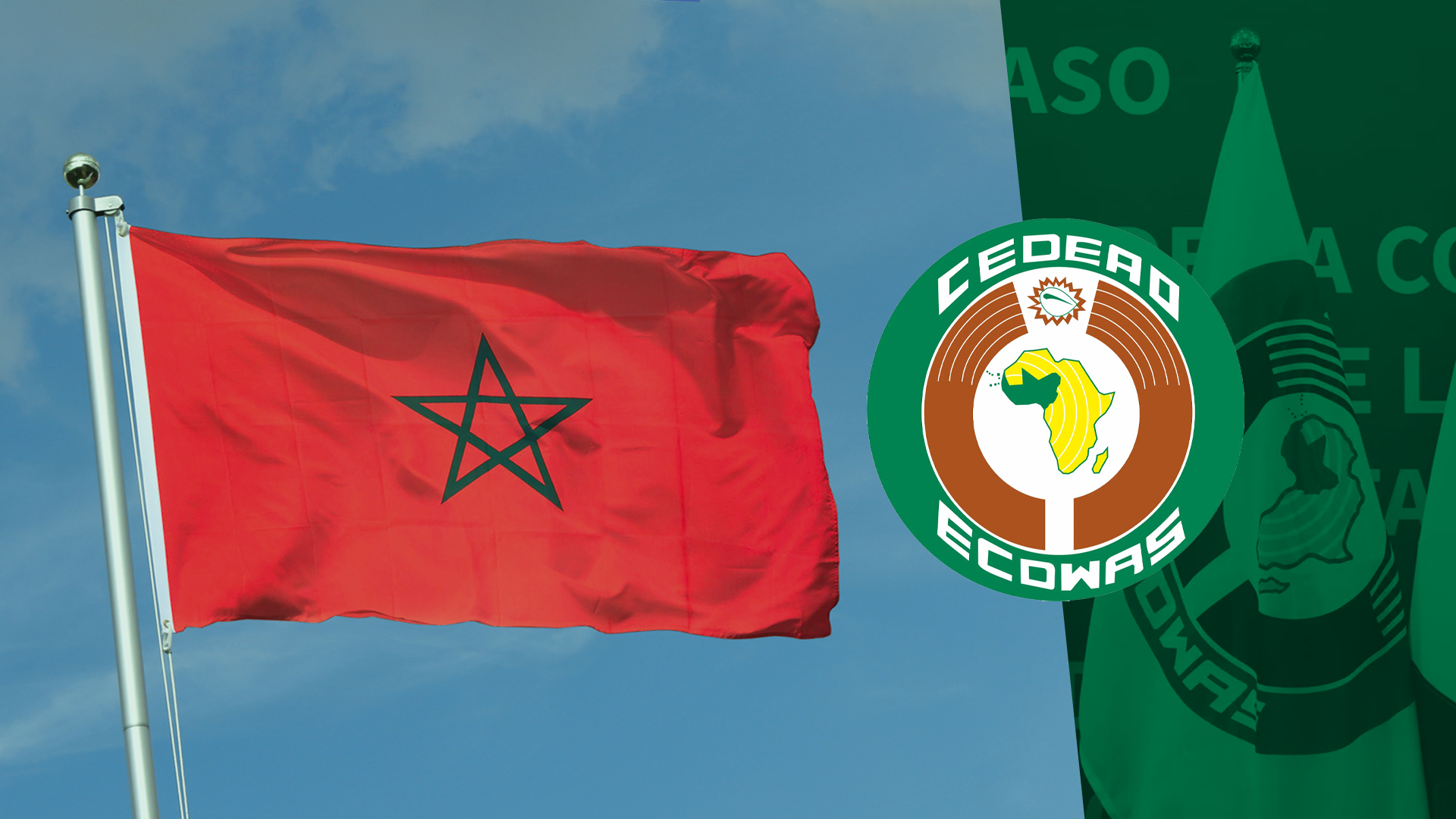
When Morocco submitted its membership request in 2017, ECOWAS already represented one of the largest markets on the African continent. Today, the region exceeds 420 million inhabitants and boasts a combined GDP of nearly 840 billion dollars. With regional growth fluctuating between 4 and 4.2% over the last five years, West Africa is a particularly dynamic economic area that Morocco wishes to join fully. The kingdom views this integration as a natural extension of its African strategy, focused on South-South cooperation and trade openness.
Politically, the candidacy remains at a standstill. Several member countries are cautious, particularly due to Morocco's economic weight, which has a GDP exceeding that of most states in the bloc, except for Nigeria. Other concerns revolve around the integration of a country that does not share a border with the region and how its entry could alter internal balances. Nigeria, which alone represents about 65% of ECOWAS's GDP, fears that Moroccan membership could redistribute influences within the organization.
However, economically, integration is already underway. More than 65% of Moroccan direct investments in Africa are directed towards West Africa. Moroccan banks play a structuring role in various markets; they are sometimes present in more than ten countries in the region and can represent up to 40% of the local banking sector, as seen in Côte d'Ivoire or Mali. In telecommunications, Maroc Telecom operates in eleven West African countries, serving nearly 75 million clients. The same goes for air transport: Royal Air Maroc connects Casablanca to over twenty-five West African cities, making the kingdom a key hub between Africa and the rest of the world.
Cooperation also extends to infrastructure. Since 2015, Moroccan construction companies have won over one billion dollars in contracts in the region, strengthening their presence in the construction of highways, ports, and stadiums. In energy, the Nigeria–Morocco gas pipeline project, spanning 5,600 kilometers, involves thirteen ECOWAS countries and represents an estimated investment of 25 billion dollars. This strategic project would be the first pan-African gas corridor of this scale, with a direct impact on the region's energy security.
For ECOWAS, Moroccan membership could promote an increase in intra-regional trade, estimated between 15 and 22% according to several internal studies. Countries most reliant on imports could benefit from improved access to Moroccan agricultural and logistical capabilities, while Northwest Africa would become a complementary production hub for West African coastal economies. Moroccan expertise in banking, agro-industry, renewable energy, and infrastructure is also a significant asset.
However, obstacles remain. Beyond Morocco's economic weight, some capitals fear too much competition for their own businesses. The issue of migration is also raised, in a context where several countries are seeking to better regulate regional mobility. Finally, the political crises that have affected the Sahel in recent years have paralyzed some institutional mechanisms of ECOWAS, making any decision on expansion difficult.
Several signals suggest that a revival of the candidacy could occur after the institutional stabilization of the region and the upcoming electoral deadlines in certain member countries. Membership in 2026 or 2027 is not excluded, but it would require internal reform of the bloc and possibly a specific framework for Morocco's entry, in order to reassure the most vulnerable states.