A Clear Ambition: To Become an Indispensable African Hub
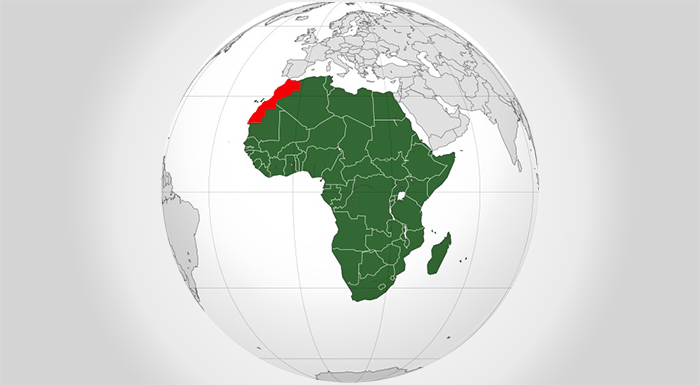
For a decade, Morocco has established itself as a major economic player in Africa. Its expansion strategy, initiated in the early 2010s, relies on a strong banking network, massive investments in infrastructure, and robust economic diplomacy. Institutions such as Attijariwafa Bank, Maroc Telecom, and OCP have solidified their presence in over twenty African countries.
The goal is clear: to make Morocco a continental platform for trade, capital, and innovation. This vision aligns with theIndustrial Acceleration Plan and theNew Development Model (NMD), which place South-South cooperation at the core of the kingdom's foreign policy.
A Rapidly Changing Africa
The African economic landscape is transforming due to the combined effects of theAfrican Continental Free Trade Area (AfCFTA), increasing digitization, and energy transitions.
Morocco, an active signatory of the AfCFTA, is preparing to capitalize on this single market of 1.3 billion inhabitants. Logistics corridors, such as the futureNigeria-Morocco Gas Pipeline and theDakhla Atlantic Port, aim to strengthen its position as a bridge between West Africa, Europe, and the Atlantic.
The strategy is twofold: to conquer new markets while consolidating national industrial competitiveness, particularly in the automotive, aerospace, and renewable energy sectors.
The Challenge of Upgrading
Despite successes, several challenges remain. The Moroccan industry, still dependent on subcontracting, must increase its added value to compete with major emerging hubs in Africa such as South Africa, Kenya, or Egypt.
The bet ontalent development, technological innovation, anddigital transition is crucial to achieve this goal.
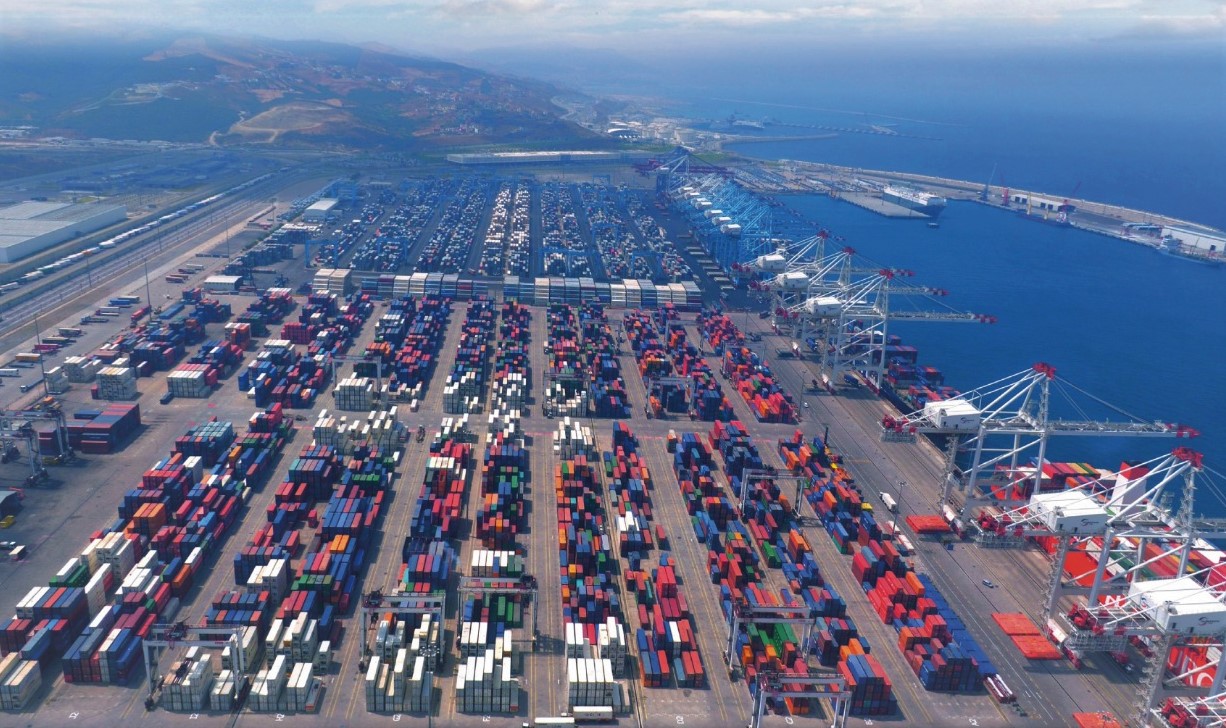
The industrial zones ofTanger Med, Casablanca Finance City andMidparc symbolize this transformation, but they must now fit into a pan-African logic—a network of South-South exchanges rather than a mere extension towards Europe.
Towards 2030: A Pragmatic African Integration
Morocco no longer merely exports goods or capital; it also exports adevelopment model, based on political stability, economic diversification, and skill enhancement.
By 2030, the kingdom aims to expand its footprint in the fields ofenergy, logistics, and technology, while establishing itself asan African financial hub..
This ambition rests on a delicate balance between African grounding and international openness, between national sovereignty and regional integration.
Conclusion
In the face of the continent's economic restructuring, Morocco is playing a bold card: that of cooperation, investment, and trust.
While challenges remain numerous—competitiveness, innovation, social inclusion—the path towards 2030 appears already mapped out:that of a Morocco at the heart of tomorrow’s Africa..