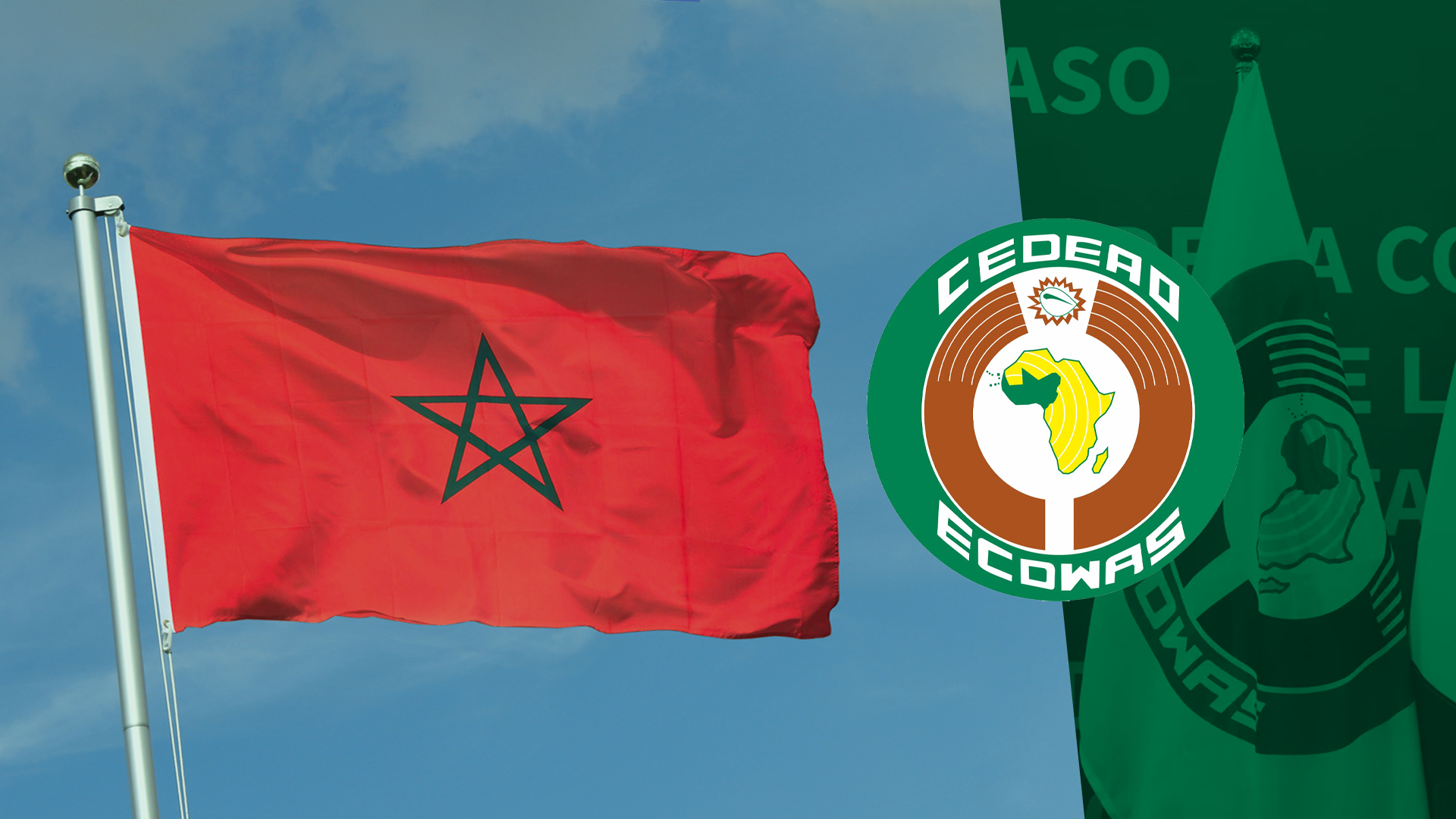
West Africa is experiencing an energy surge.
As electricity demand skyrockets and the transition to clean sources accelerates, Morocco is stepping back into the spotlight with an ambitious strategy for regional energy cooperation and integration..
At the crossroads of Europe and Africa, the kingdom combines expertise, stability, and vision to become an energy bridge between the North and the South, serving the continent's development.
1. The Morocco–Nigeria Gas Pipeline: A Pan-African Backbone
Symbolizing this ambition, the Morocco–Nigeria gas pipeline remains the flagship project of African energy cooperation.
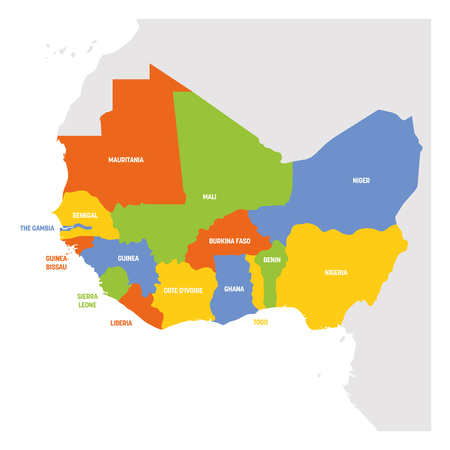
Spanning over 5,600 kilometers, it will connect Lagos to Tangier, passing through 13 West African countries, including Benin, Togo, Ghana, Ivory Coast, Senegal, and Mauritania.
The goal: to transport Nigerian gas to Morocco and then to Europe while supplying the African markets it traverses.
This colossal project, estimated to be worth over $25 billion, is jointly led by the National Nigerian Petroleum Company (NNPC) and the National Office of Hydrocarbons and Mining (ONHYM).
It will:
-
secure the energy supply of West Africa;stimulate regional industrialization
-
and strengthen the continent's energy sovereignty. ;
-
By 2025, the detailed engineering studies (FEED) will be in their final phase, and several international backers—including the African Development Bank—have confirmed their financial support.This pipeline, beyond energy, is a significant .
political and economic infrastructure
for African integration.2. An Energy Complementarity StrategyMorocco is not solely banking on gas: it proposes an energy model based on
the complementarity between fossil and renewable energies.
The country, an African pioneer in solar and wind energy, aims to export its expertise to West African nations facing electricity access challenges.The kingdom is already cooperating with several member states of the .
Economic Community of West African States (ECOWAS)
to:develop hybrid power plants
-
(solar-gas);expand electricity interconnection networks and share its know-how in
-
energy governance.This pragmatic approach, based on partnership and sustainability, sets Morocco apart from purely extractive actors: it is not only exporting energy but also ;
-
a model of management and transformation.3. Electrical Interconnections: Africa Connected to Morocco.
Morocco is multiplying interconnection projects with its African neighbors.The long-term objective: to .
integrate the kingdom into the West African Power Network (EEEOA)
to allow for cross-border energy circulation.
The first milestones have already been set:An interconnection between Morocco and Mauritania
is under consideration, with a dual objective—energy and strategic—to supply southern Morocco and stabilize Mauritania’s networks.
-
In the medium term, Morocco aims for a direct connection with the West African network through Mauritania to share its renewable energy surplus.
-
Thanks to its efficient infrastructure—especially the solar plants of Noor Ouarzazate and the wind farms of
Tarfaya and Midelt—the kingdom is on track to become a clean electricity exporter to the rest of the continent.4. A Well-Established Energy DiplomacyMorocco's return to the African energy game relies on a coherent and soft influence diplomacy.
The kingdom favors a
win-win cooperation approach, based on technology transfer, training, and sustainability..
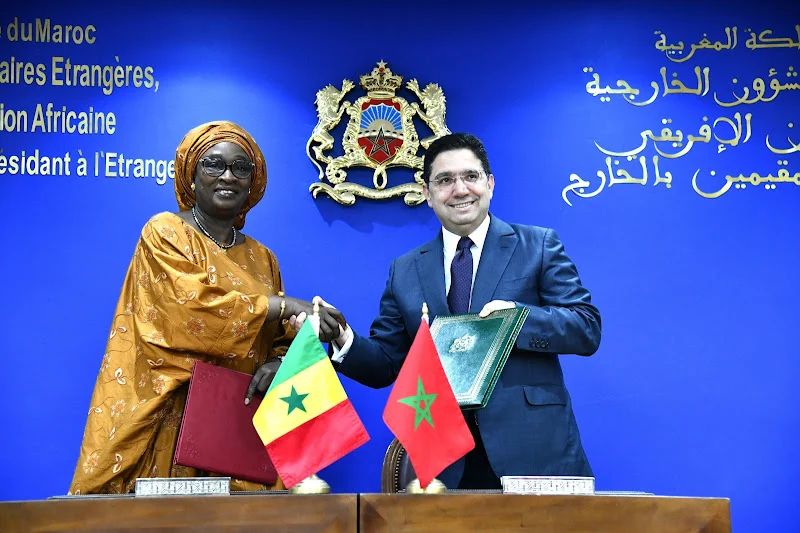
Recent bilateral agreements illustrate this direction:Morocco–Senegal : partnership on rural electrification and network maintenance.
Morocco–Ivory Coast
-
: collaboration on solar power plant development and technical training.Morocco–Nigeria
-
: strategic cooperation through the gas pipeline project and research on green hydrogen.These partnerships bolster Morocco's credibility as a
-
stable, neutral, and reliable energy player, in a region marked by political tensions and instabilities.
5. Green Hydrogen: The New Common HorizonOne of the most promising areas of Morocco-Africa energy cooperation is green hydrogen.
With its exceptional solar and wind potential, Morocco has established itself as a global leader in this sector.
The kingdom intends to involve several African countries in this development, particularly Senegal, Mauritania, and Nigeria.The idea: to create an .
African hydrogen corridor
for producing, transforming, and exporting this fuel of the future.
These projects could generate billions in investments and thousands of skilled jobs,while placing Africa in the global race for decarbonization.The
Moroccan Agency for Sustainable Energy (MASEN) plays a key role in this transfer of skills and engineering.6. Challenges and Perspectives
Morocco's return to the West African energy landscape is not without challenges:the mobilization of financing
for very costly transcontinental projects;
the
-
political coordination between the countries involved;and the
-
protection of infrastructure in sometimes unstable areas.However, the political will, Morocco's institutional credibility, and the convergence of regional interests suggest a sustainable success.
-
The kingdom has already demonstrated its ability to carry out significant pan-African projects, combining ambition and pragmatism.
Conclusion
Morocco is today emerging as a central energy player in West Africa, merging vision, technology, and diplomacy.
Its return is not that of a conqueror but of a strategic partner committed to equitable cooperation and building a
African energy sovereignty.From the Nigeria–Morocco gas pipeline to green hydrogen, the kingdom confirms its place in the continent's energy transition.The energy future of Africa will largely be written with Morocco as a catalyst and link.
Sources:ONHYM – Report on the Morocco–Nigeria Gas Pipeline Project (2025).
MASEN – Hydrogen Roadmap Morocco 2030
ECOWAS – West African Power Pool Strategy 2024African Development Bank – African Energy Outlook 2025.
Reuters / Jeune Afrique – Morocco, a Key Player in African Energy.
-
.
-
.
-
.
-
.
-
.