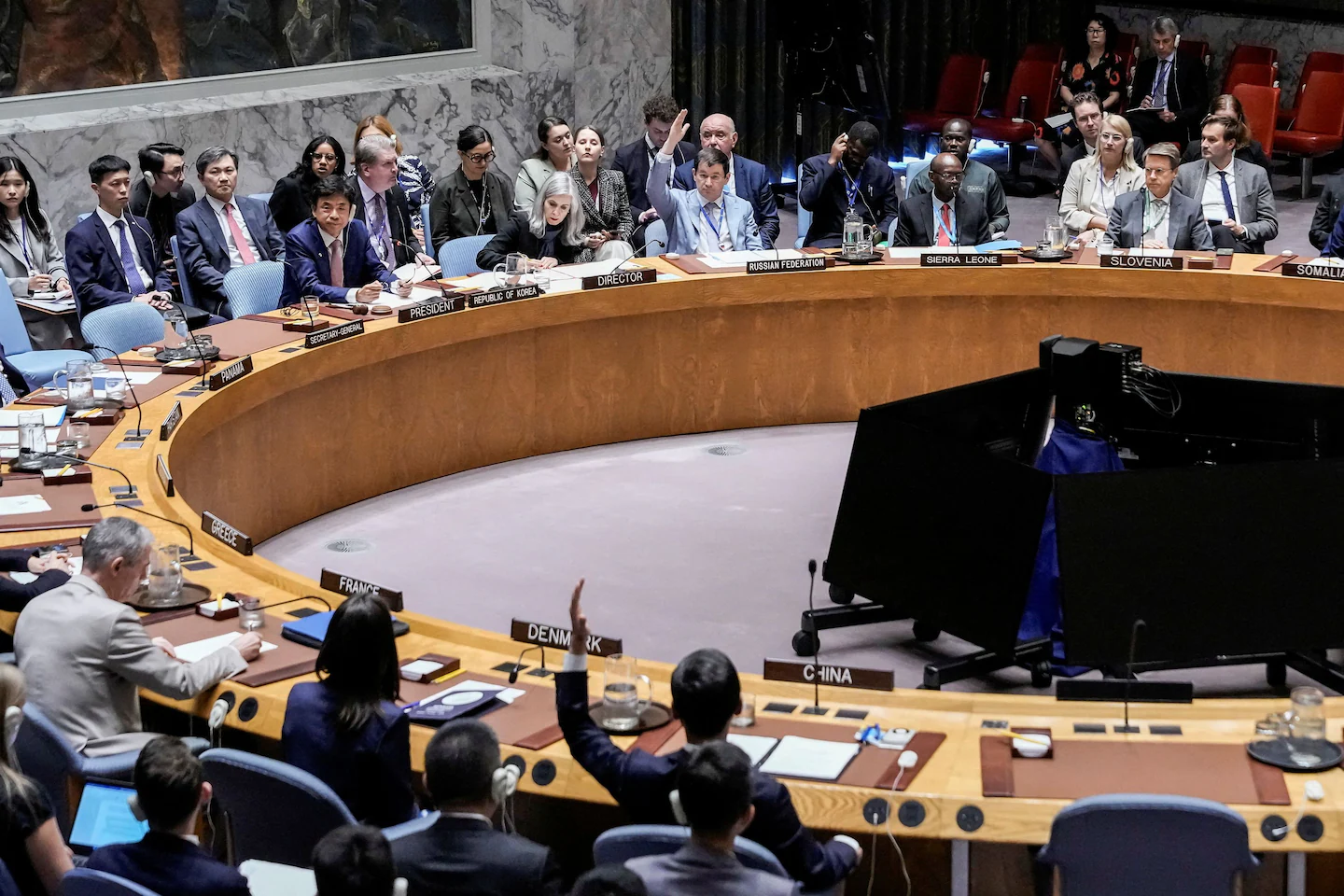
The new resolution adopted by the Security Council regarding the Sahara issue represents the most significant evolution in several years. The text reaffirms the political process under the exclusive auspices of the UN, while emphasizing the path towards a realistic and pragmatic solution. This orientation confirms the trend observed in previous resolutions but with a more direct language that further consolidates the approach aimed at finding a credible compromise.
The resolution also enhances the role of the UN Secretary-General's Personal Envoy, tasked with reviving the process through intensified consultations and roundtables involving all stakeholders. The Security Council emphasizes the need for 'serious and sustained' engagement, which revitalizes the institutional momentum of the process after several months of stagnation. For Morocco, this validates its consistent position of supporting an orderly political framework supervised by the United Nations.
One of the most noteworthy elements of the text concerns the notions of realism, compromise, and sustainability. By emphasizing these criteria, the resolution implicitly directs the debate towards proposals seen as applicable and effective. This formulation, while diplomatic, strengthens the relevance of the Moroccan autonomy initiative, frequently described as credible and structured by several international actors. It narrows the political space for maximalist approaches or those incompatible with regional stability.
The resolution also renewedly mentions the necessity of improving humanitarian conditions in the camps and ensuring transparency in management mechanisms. This section of the text refers to longstanding concerns, but it now appears with greater insistence, reflecting a desire to closely examine local functioning and living conditions. This places additional pressure on the actors managing the camps located in Algeria.
Regionally, the text confirms that the diplomatic dynamic is evolving in Morocco's favor. Increasingly, countries are expressing a clear position in support of a political solution based on autonomy, gradually reducing the number of active supporters of the Polisario Front. This development is part of the move towards recognition of Morocco's sovereignty over the Sahara by several states, as well as the strengthening of regional and African partnerships in which the Kingdom holds an increasingly prominent position.
With only a few weeks until the new mandate of MINURSO takes effect, the resolution redefines a more demanding and coherent framework in line with current geopolitical realities. The text sends a strong signal: the Security Council seeks a political resolution and not a prolonged status quo. For Rabat, this orientation confirms a diplomatic trajectory that strengthens year by year. For its opponents, it reduces maneuvering room and the prospects of resetting the process.
The dynamic created by this resolution could accelerate discussions in the months to come. By conditioning the progress of the issue on the responsible engagement of the parties, the UN establishes a stricter framework that may produce concrete developments if the political will follows. Morocco appears to be in a favorable position in this sequence, as the Sahara issue increasingly presents itself as a major geostrategic challenge in the Maghreb.