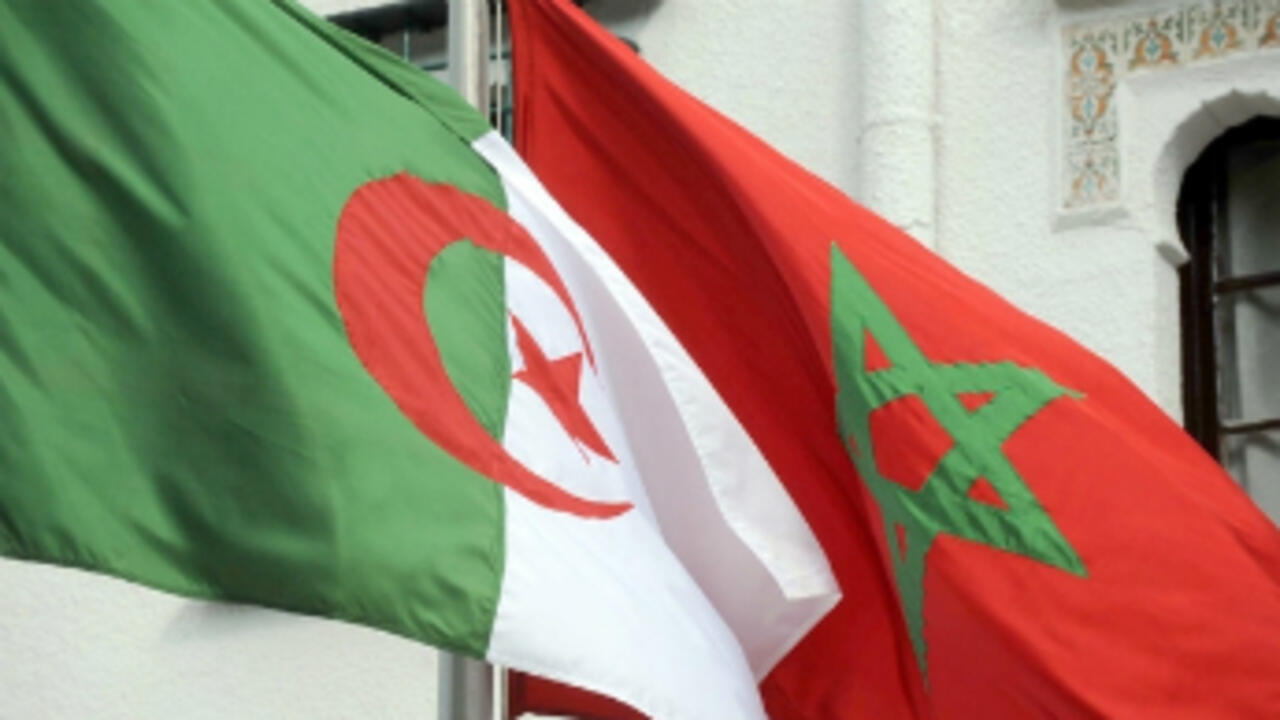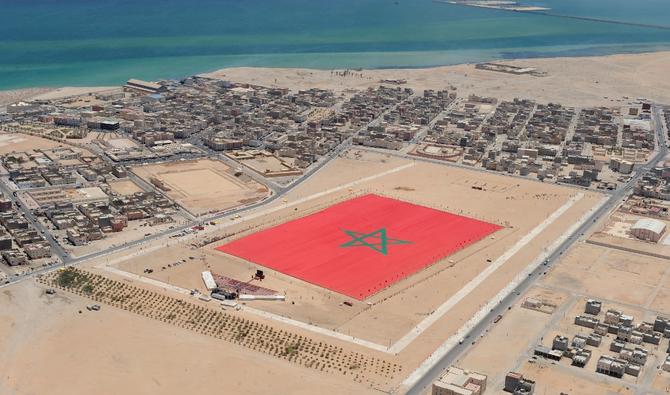
While it seemed to settle into a state of diplomatic stalemate, the Sahara issue is now back at the forefront of international negotiations. Several converging factors explain this renewed interest. First, the evolution of the global geopolitical context has repositioned North Africa among the strategic priorities of major powers, particularly the United States and European countries.
Morocco, for its part, continues to strengthen its position through active diplomacy, a solid network of alliances, and political stability that contrasts with regional uncertainties. The succession of explicit or implicit recognitions of Morocco's autonomy plan has altered the diplomatic balance of power, further isolating the rigid positions of the Polisario and its traditional supporters.
Energy concerns also play a central role in this resurgence of the issue. The Southern provinces have become a strategic development area: solar and wind farms, port infrastructure, African interconnection projects... These initiatives enhance the economic attractiveness of the region and Morocco's position as a continental energy player. International partners are observing these projects with interest as they may contribute to securing their own energy transitions.
Ongoing tensions in the Sahel, the fragility of several neighboring states, and the proliferation of security crises have also accelerated the need to stabilize the Maghreb sustainably. Many diplomats now consider resolving the Sahara issue a key element in containing the expansion of armed groups and consolidating a coherent zone of influence in North Africa.
Finally, the internal dynamics of the United Nations are evolving. Security Council resolutions now favor a realistic political framework, moving away from the maximalist solutions advocated by the Polisario. The Moroccan autonomy plan, presented as serious and credible, is benefiting from this new international configuration.
In this context, the UN, Western capitals, and several African countries are reactivating their efforts to encourage a sustainable solution. The Sahara issue, far from being secondary, is becoming a structuring element of current diplomatic balances.