1. The context: a resolution of high stakes
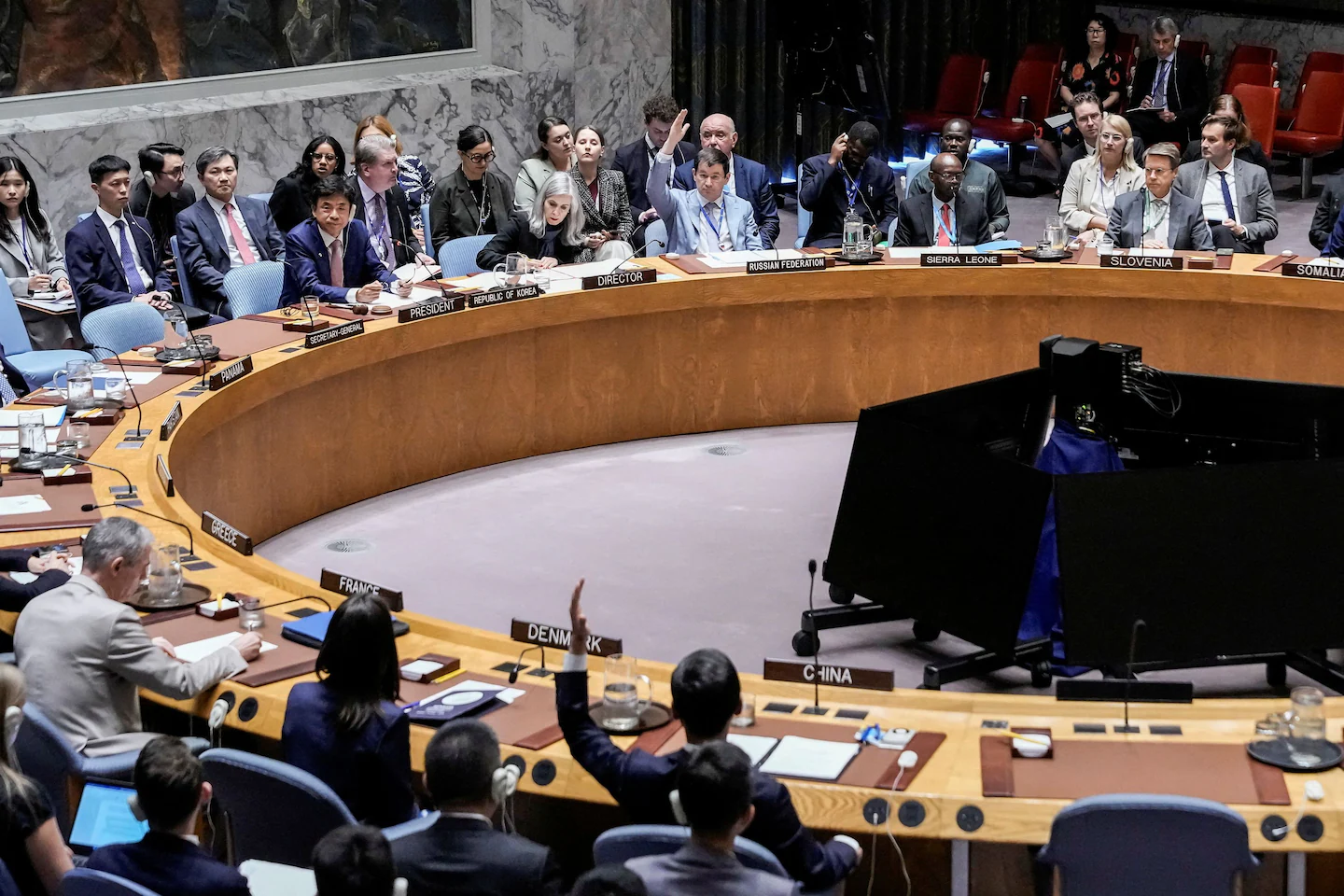
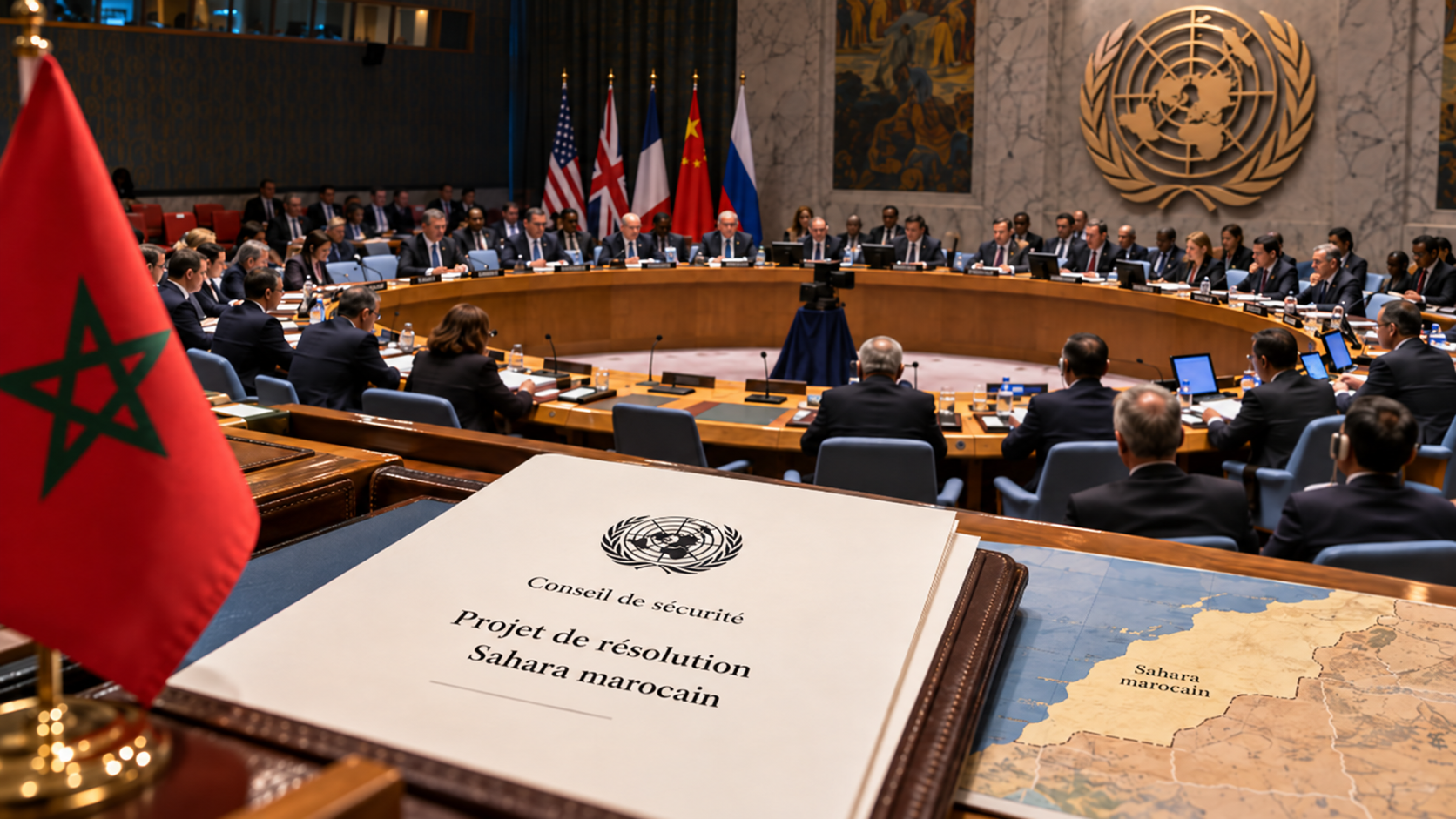
As the Security Council is set to renew the MINURSO mandate, tensions are escalating in Algiers.
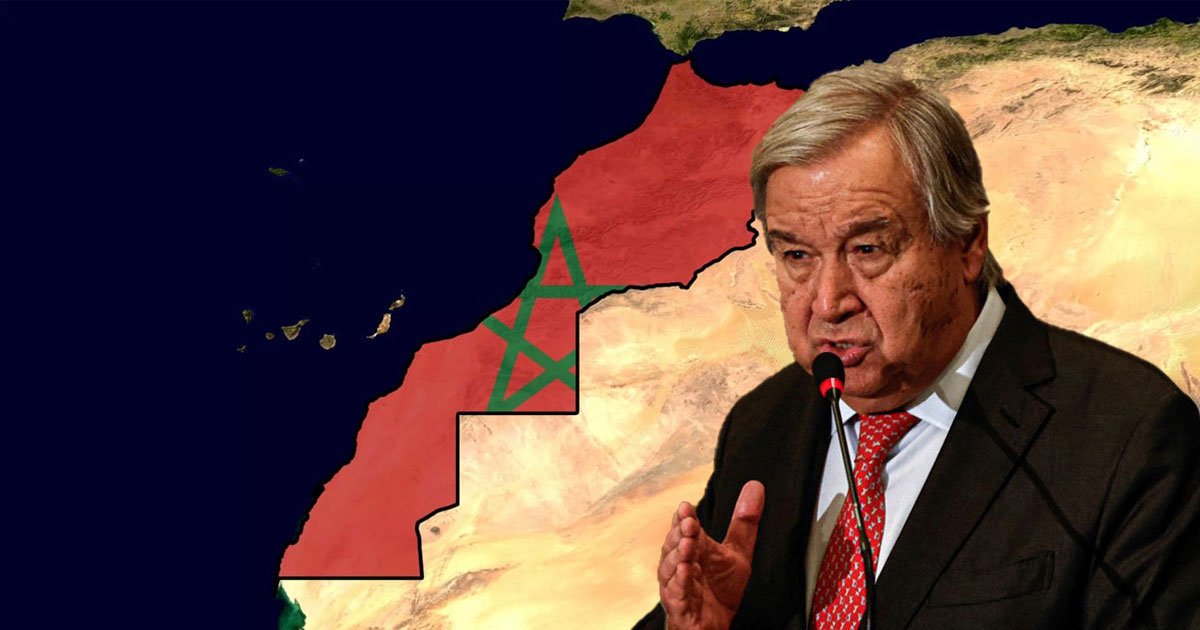
The draft resolution prepared by the United States — the 'penholder' on the issue — seems to continue the previous orientations of the Council: a clear support for the realistic and sustainable political solution advocated by Morocco, based on autonomy under Moroccan sovereignty.
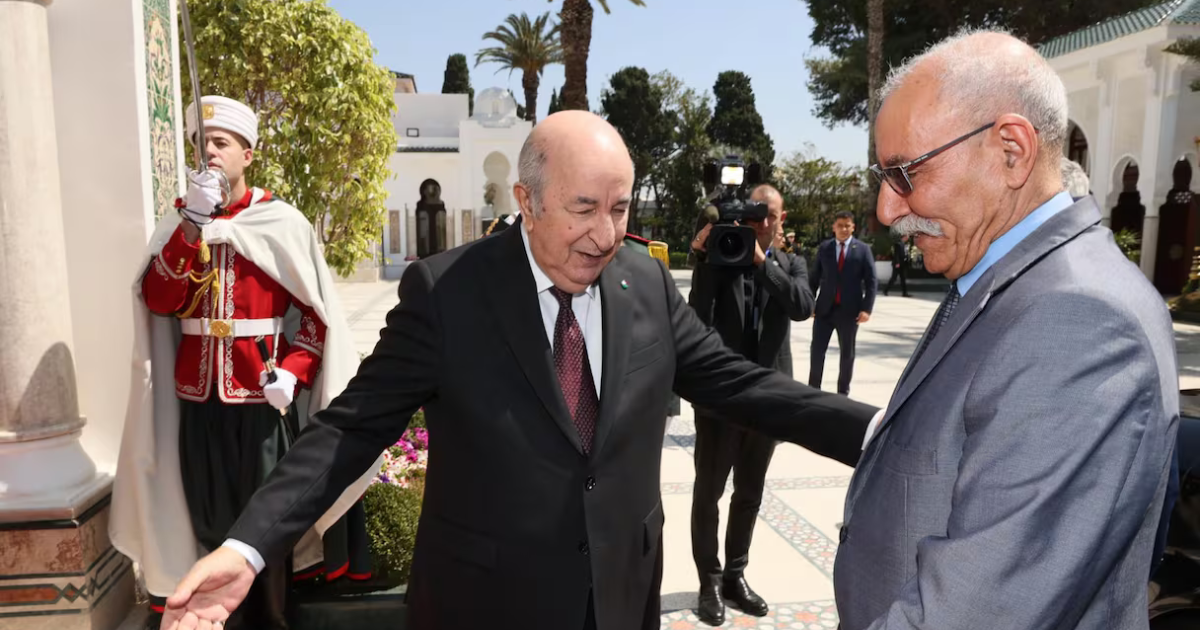
On the other side, Algeria and the Polisario Front fear an even more explicit text, consolidating the Moroccan position and further marginalizing the option of a referendum, which is deemed unfeasible by most Council members.
2. The reasons for Algiers' panic
For several weeks, media close to the Algerian government have been issuing alarmist communiqués, denouncing 'the disregard for the right to self-determination' and 'the complicity of the Security Council with Rabat.'
But behind the scenes, the situation is simpler: the paradigm has changed.
-
Morocco enjoys broad diplomatic support: the United States, France, Spain, and Arab and African countries endorse the autonomy initiative.
-
Algeria, isolated, is losing diplomatic weight: its discourse on 'decolonization' no longer resonates in a world focused on stability and development.
-
The Polisario is weakened: unable to mobilize on the ground, it relies on communication and threats to withdraw from the UN process — stances with no real effect.
For Algiers, this shift represents a loss of strategic leverage: the Moroccan Sahara has long been a tool for regional pressure. Today, that leverage is deteriorating.
3. Visible signs of diplomatic discomfort
The tone used by Algerian representatives at the UN has hardened in recent days.
The Polisario Front announced that it 'will not participate in any process' if the American resolution is adopted — a hollow threat, as the Polisario already has no formal place in the discussions.
At the same time, the Moroccan ambassador reminded that Algeria can no longer claim neutrality while setting conditions. This contradiction undermines its 'non-party' stance, already questioned by several UN diplomats.
Another sign: the increase in Algerian media interventions on the Chinese file, the Sahel, or Palestine — all attempts to divert internal attention from an anticipated diplomatic setback.
4. An exhausted Algerian diplomacy
Algiers' strategy since 1975 has relied on support for the Polisario, presented as a 'liberation movement.' But this line, inherited from the Cold War, is no longer suited to the current geopolitics.
The majority of African and Arab countries recognize Morocco’s sovereignty over its Sahara, or at least support its autonomy initiative.
The United States paved the way in 2020, followed by several Latin American and African states.
In the face of this, Algeria has only residual support left, like South Africa or Nicaragua, without real diplomatic weight.
The risk for Algiers is now internal: how to justify, to its population, decades of political and financial investment in a cause that is now marginalized?
5. Morocco consolidates its lead
While Algiers reacts, Rabat acts.
The Kingdom continues the massive development of its Southern provinces: ports, industrial zones, universities, green infrastructure.
Moreover, more than 30 countries have opened consulates in Laâyoune and Dakhla, a tangible sign of international recognition.
Diplomatically, Morocco’s strategy relies on the triptych 'realism, stability, development' — an approach that appeals to major powers.
Moroccan diplomacy also rests on consistency: a constant discourse, an absence of provocations, and a clear long-term vision.
6. Upcoming scenarios
Two scenarios are emerging ahead of the resolution's adoption:
-
Scenario 1 – Strengthened adoption of the Moroccan line:
The text explicitly supports the autonomy solution and calls for negotiations within this framework. Algiers opposes it, but the balance of power is established. -
Scenario 2 – 'Balanced' text but without a referendum:
Even without direct mention, the dynamics remain the same: autonomy is the only path considered credible by the Council.
In both cases, Morocco emerges strengthened and Algeria isolated.
7. A geopolitical turning point
For Algiers, the problem extends beyond the Sahara.
It is the loss of influence across North and West Africa that is concerning.
Morocco is now a major economic partner of the European Union, the United States, and China — while Algeria remains stuck in a defensive and ideological role.
This loss of diplomatic centrality explains the frantic tone adopted by Algerian media and officials as the UN vote approaches.
Conclusion
Algeria's 'panic' is not exaggerated: it reflects a political and diplomatic reality.
The upcoming UN resolution on the Moroccan Sahara will only confirm a trend already established — the gradual shift of the international community toward recognition of Moroccan sovereignty and the marginalization of the Polisario discourse.
Morocco is now reaping the rewards of a consistent strategy, while Algeria is paying the price for decades of diplomatic stagnation.