A signal from Moscow
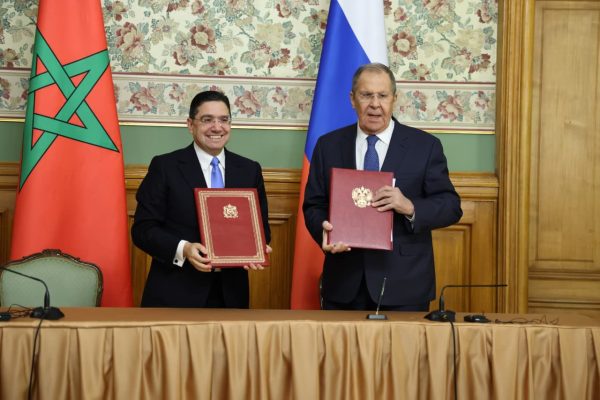
The statement, made during a press conference by the Russian Foreign Minister in Moscow, surprised many observers.
For the first time, Russia referred to Morocco's autonomy plan for the Sahara as "a realistic and constructive approach that could fit within the framework of international law."
Historically cautious on this issue, Moscow had always refrained from taking a clear stance, preferring to support the UN process without taking sides. This change in tone reflects a desire to balance its relations in the region, as Russia seeks to strengthen its diplomatic and economic foothold in North Africa.
The context: Rabat consolidates its support
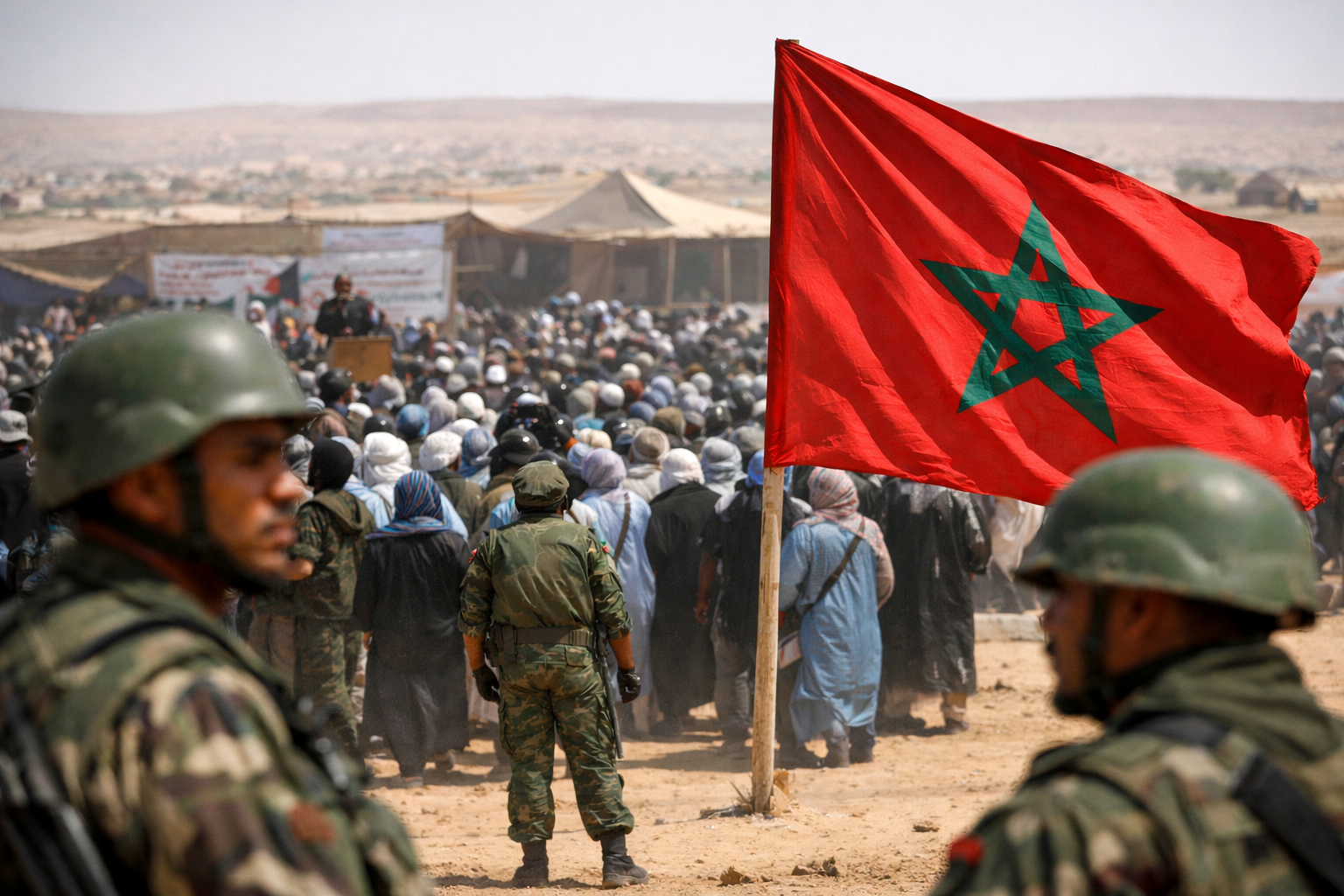
For several years, Morocco has achieved significant diplomatic successes surrounding its autonomy plan. The United States, Spain, Germany, and around fifty African countries have expressed explicit support for the Kingdom's sovereignty over the Sahara.
The Russian declaration thus reinforces a strong trend: the gradual recognition of theMoroccan roadmap as the only credible basisfor resolving the conflict.
It also comes at a strategic moment, as the renewal of the UN mission's mandate (MINURSO) approaches, along with crucial discussions at the Security Council.
Algeria's caution and the reaction from diplomatic circles
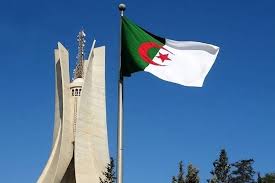
In Algiers, this stance has sparked some unrest.
Media close to the government have attempted to downplay its significance, labeling it "a mere diplomatic comment." However, in reality, Russia, long considered a key partner of Algeria, sends a signal of balance here: Rabat is now among its strategic interlocutors.
On the European side, Paris and Madrid have welcomed this development, viewing it as confirmation of the relevance of the Moroccan autonomy plan, though it has not changed the dynamics within the Security Council. Washington, already an official supporter of the plan since 2020, sees this as a "gradual alignment of major powers towards a pragmatic solution."
Moscow and Rabat: Intersecting interests
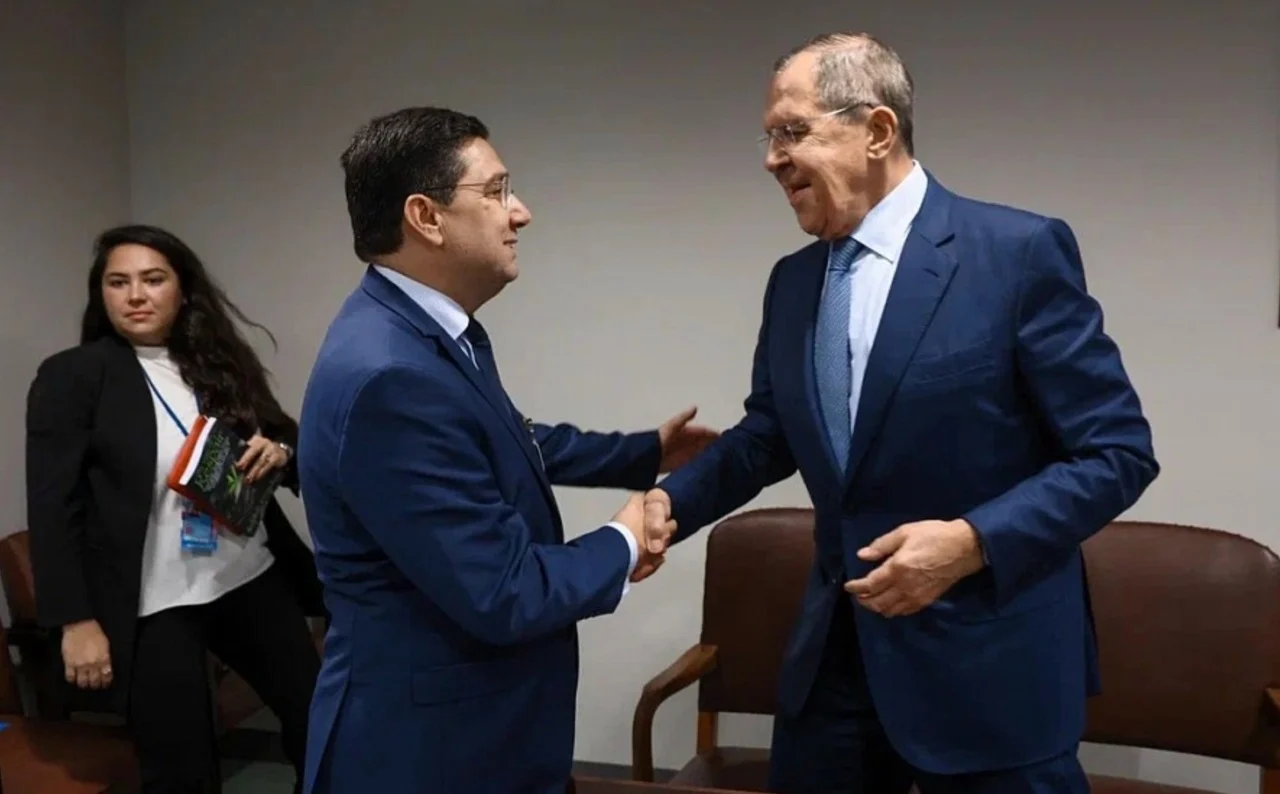
This diplomatic rapprochement fits within a broader economic dynamic.
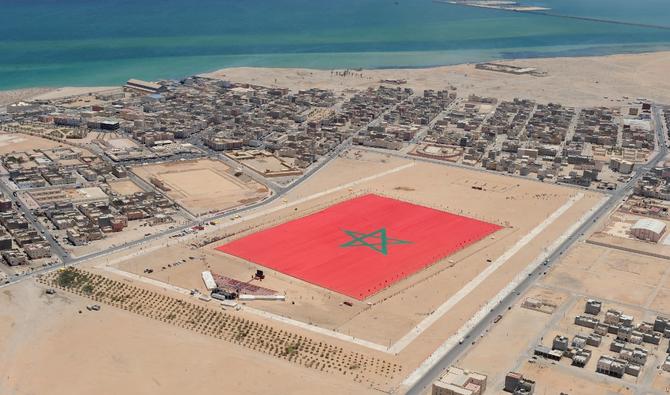
Since 2023, Morocco and Russia have intensified their cooperation in several fields: energy, fertilizers, fishing, and mining industries. Bilateral agreements have been signed to promote Russian investment in southern regions, notably in Dakhla, where a strategic deep-water portis under construction.
For Moscow, Morocco represents a stable gateway to West Africa and a partner capable of conveying its interests without direct confrontation with Western powers.
For Rabat, this is a diplomatic victory: showcasing that recognition of Moroccan sovereignty over the Sahara extends beyond traditional Western alliances.
A strategic reading of “self-determination”
The term chosen by Russian diplomacy is significant. By referring to "a form of self-determination recognized by the UN," Moscow introduces a broader interpretation of the right to self-determination that aligns with the autonomy plan proposed by Rabat in 2007.
This approach coincides with that of several African and European states that believe autonomy under Moroccan sovereignty is the most realistic path out of the impasse.
Thus, without explicitly recognizing Moroccan sovereignty over the Sahara, Russia indirectly legitimizes the very principle of the decentralized governance proposed by Rabat — a diplomatic nuance, but one loaded with meaning.
Possible consequences
This evolution could have several effects:
-
Strengthening Morocco's positioning at the UN, solidifying the support of the powerful members of the Security Council.
-
A new geopolitical balance in the Maghreb, where Russia seeks to please Rabat without upsetting Algiers.
-
Accelerated bilateral economic dialogue, particularly in energy and agriculture.
In the medium term, Russia could play a discreet mediating role in the Sahara issue, a role previously reserved for Western powers.
A subtle diplomatic game
Morocco is now reaping the benefits of patient and multidimensional diplomacy.
By diversifying its alliances – from Washington to Beijing, from Riyadh to Moscow – Rabat is imposing its pragmatic approach: an integrated, stable, and prosperous Sahara.
This strategy, often referred to as “active neutrality,” allows the Kingdom to remain a credible interlocutor in a multipolar world.
However, this implicit recognition also entails responsibilities: consolidating the development of the southern provinces, ensuring local freedoms, and demonstrating that autonomy can be a successful model of territorial governance.
Towards a new Maghreb balance?
The Russian position does not close the Sahara file, but subtly alters its geometry.
While Algiers maintains a hard line on self-determination, Rabat consolidates its vision of a Moroccan Sahara open to development and regional cooperation.
With its increasing support, Morocco now advances on a diplomatic ground where even the former neutralities are tinged with realism.
And if, ultimately, the Sahara became the place where the balance of power in North Africa is redrawn?
Sources:
APA News – October 14, 2025
Morocco World News – October 13, 2025
Atalayar – October 14, 2025
Le360.ma – October 12, 2025