International Drivers
-
Washington, a catalyst : The United States is reshaping the boundaries of the UN debate and granting Rabat disproportionate influence over diplomatic language and international agendas.
-
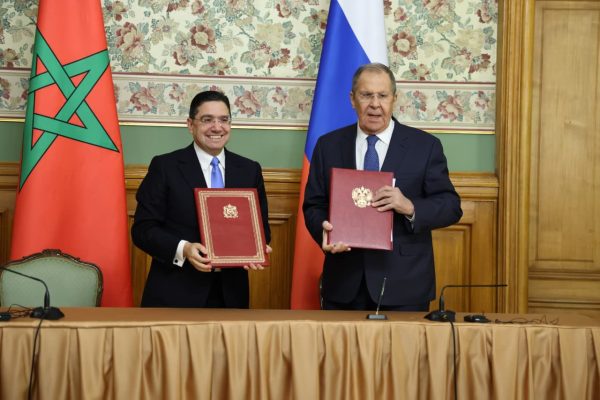
Moscow, pragmatic : Preoccupied with other priorities, Russia now favors tactical abstention over systematic vetoing, reducing Algeria's maneuvering space.
-
Beijing, discreet but decisive : Its investments in ports, export industries, and renewable energies are transforming Moroccan stability into a strategic asset for its supply chains.
-
Europe, realistic : Under migratory and economic pressure, several capitals prefer autonomy as an operational compromise, rather than a definitive legal resolution.
Consequences on the ground and at the UN
The combination of these forces reduces the space for a purely adversarial strategy by Algeria and the Polisario.
-
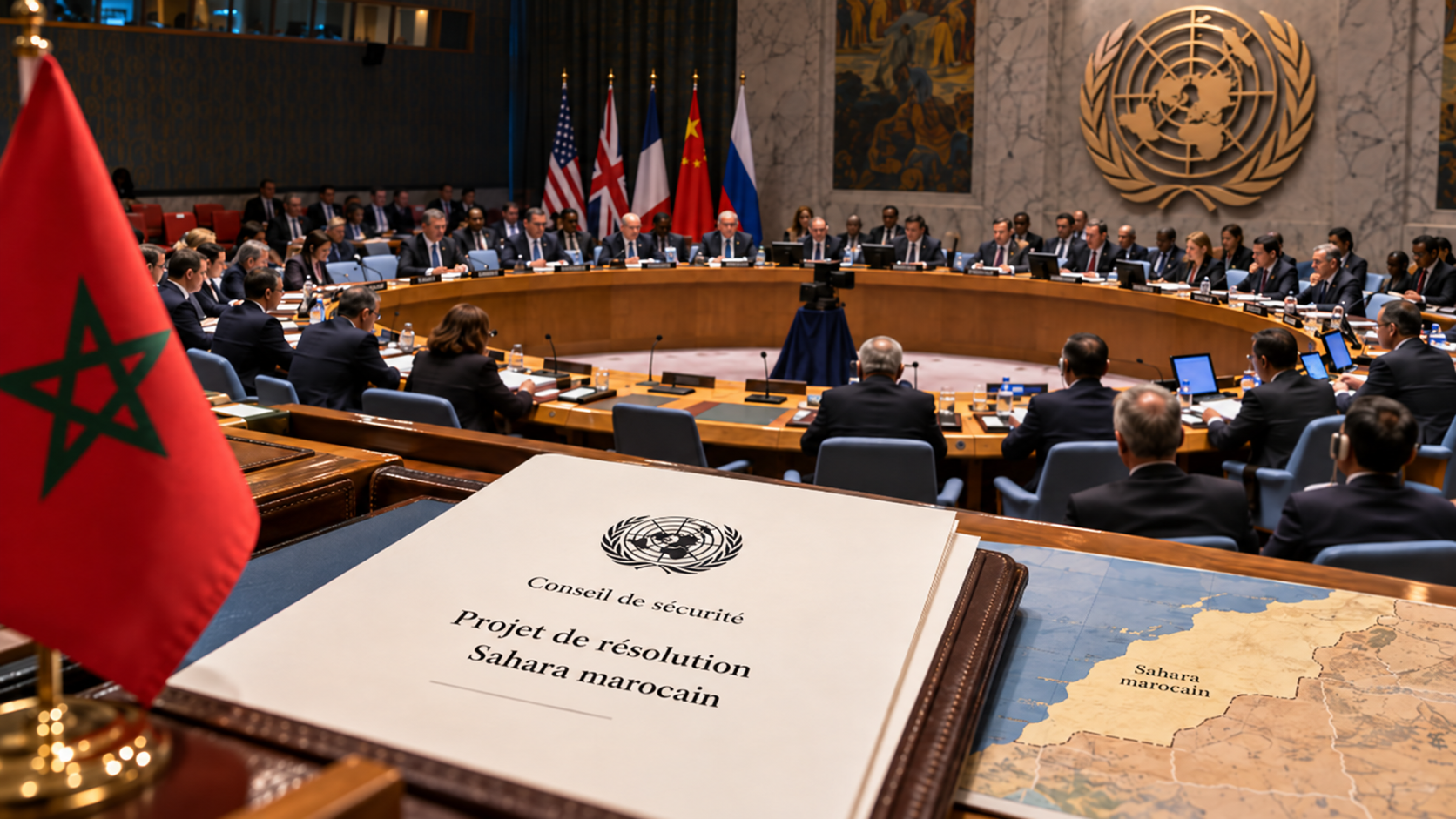
At the UN, the terminology leans toward technical and humanitarian mechanisms rather than a referendum on independence.
-
On the ground, Rabat is focusing on development, administrative integration, and the economic visibility of the southern provinces, creating a foothold that is difficult to reverse.
Three Plausible Scenarios
-
Gradual consolidation of autonomy (central scenario) Resolutions and bilateral agreements reinforce autonomy as a working framework. Rabat strengthens its local administration and attracts investments and cooperation, while the Polisario weakens diplomatically.
-
UN technical compromise (management scenario) The UN imposes a humanitarian and technical monitoring mechanism, with a delayed political timetable. The conflict is institutionally frozen, civil suffering is partially alleviated, but the final status remains pending.
-
Stalemate and polarization (alert scenario) A strong reaction from Algeria and its African allies might polarize the Security Council, leading to a lasting impasse and risks of cross-border incidents.
Indicators to Monitor
-
The vocabulary of upcoming Security Council resolutions ('autonomy' vs 'self-determination').
-
Chinese projects targeting the South (ports, energy, industry).
-
Russian signals (abstentions, statements, bilateral actions).
-
Concrete European actions (trade agreements, security cooperation).
-
Algerian initiatives at the African Union and their potential retaliatory measures.
Conclusion
The issue of Moroccan Western Sahara illustrates a deep transformation: from a local dispute, it has become a transregional stake intertwining economic interests, security, and European pragmatism. The most likely trajectory remains a gradual normalization of Moroccan authority, accompanied by technical and humanitarian guarantees, marginalizing the Polisario and forcing Algeria to redefine its strategic role in an arena now shaped by Washington, Moscow, Beijing, and Europe.