A Major Diplomatic Turning Point for Morocco
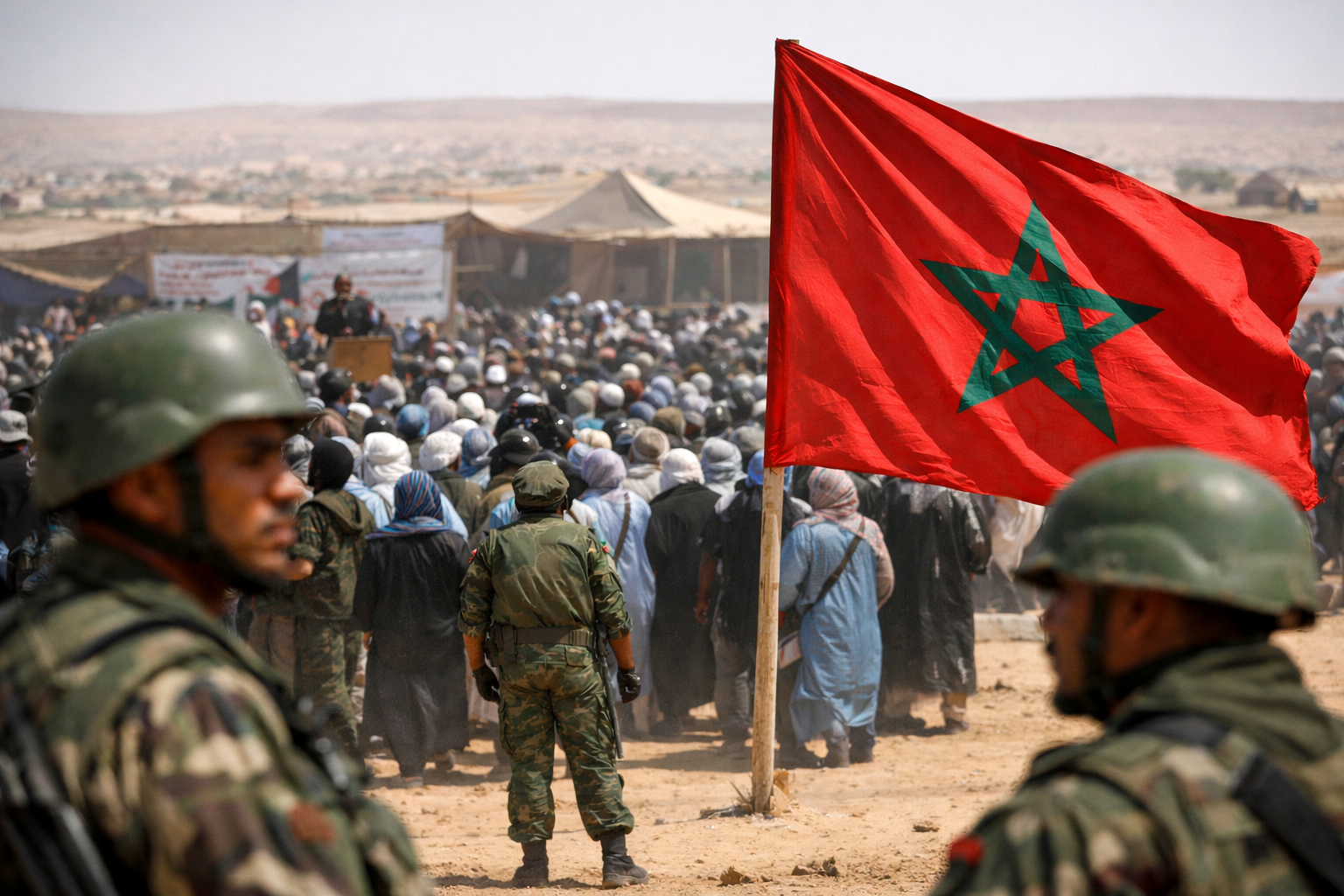
Since the American recognition of Morocco's sovereignty over its Sahara in 2020, the Saharan issue has reached a decisive stage.
The kingdom has managed to transform this issue, long viewed as a point of tension, into a lever for diplomatic and economic influence.
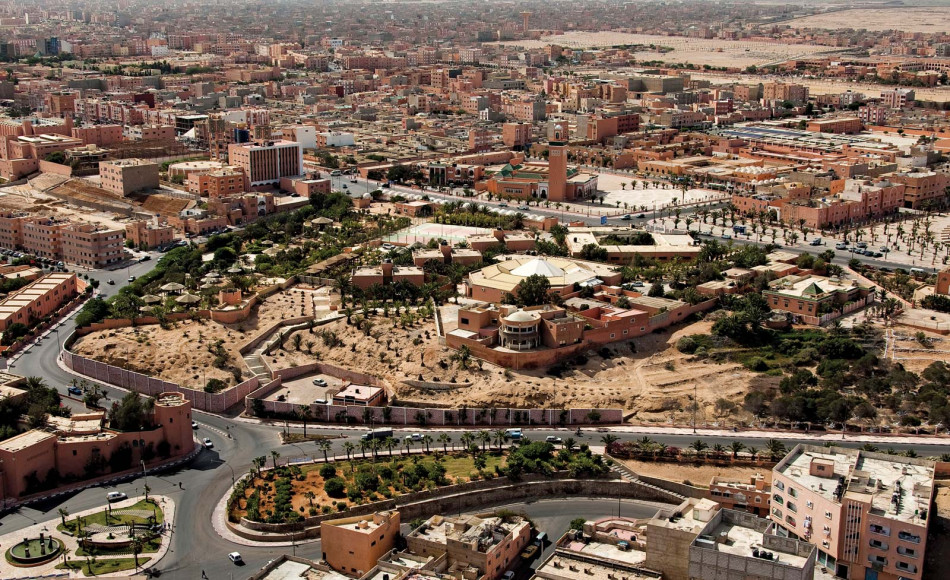
Several African, Arab, and Latin American countries have opened consulates in Dakhla and Laâyoune, tangible symbols of support for the Moroccan claim over the Sahara.
This dynamic strengthens Morocco's strategy: to assert its sovereignty while anchoring the region in a framework of sustainable development and stability.
The Sahara: A Space for Development and African Integration
Far from being a peripheral area, the Moroccan Sahara is becoming a center of economic gravity.
The project of the Dakhla Atlantic Port, tourism investments, and industrial zones currently under construction demonstrate a commitment to fully integrate the Sahara into the national development model.
Morocco envisions this region as the southern gateway to Africa, a logistical, energy, and commercial interconnection point between the Atlantic, West Africa, and Europe.
This strategy aligns with the vision of a Pan-African Morocco, a driver of regional cooperation and a pillar of continental stability.
Major Powers Redefining Their Positions
The American recognition triggered a diplomatic domino effect.
Spain, after decades of neutrality, has officially supported the Moroccan autonomy plan, described as "the most serious and credible basis" by several Western governments.
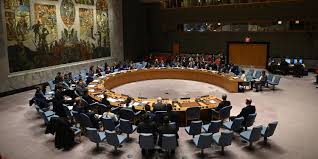
Germany and other European states have followed this stance while calling for a political solution under UN auspices.
In parallel, some global powers—especially Russia—are trying to strengthen their regional influence, while China, true to its balancing strategy, supports economic development initiatives without becoming directly involved in the political debate.
An Issue at the Heart of Regional Stability
Beyond the diplomatic aspects, the Moroccan Sahara question remains linked to the security of the Sahel and the Maghreb.
By betting on stability and economic integration, Morocco positions itself as a key player in the fight against terrorism, extremism, and cross-border trafficking.
The consolidation of the Sahara within the national fold is also accompanied by a desire for modernization: new infrastructures, vocational training, local empowerment, and citizen participation in regional governance.
Conclusion: A Lever of Moroccan Power
The Moroccan Sahara issue now transcends the simple territorial question.
It embodies the projection of a confident, stable Morocco looking towards the future, capable of defending its interests while promoting African cooperation.
As global geopolitical balances evolve, the Moroccan Sahara is emerging as the beating heart of a new Southern diplomacy— combining sovereignty, stability, and shared development.
Sources:
-
Moroccan Ministry of Foreign Affairs – Official Statements 2024-2025
-
United Nations – Security Council Reports on the Sahara (April 2025)
-
African Development Bank – Regional Study on Atlantic Corridors (2025)
-
International Press: El País, Le Monde Afrique, The Washington Post (2024-2025)