A system of power born from enduring isolation
To understand the Iranian strategy based on allied armed groups, one must return to the early years following the 1979 revolution. Faced with almost immediate diplomatic isolation, mired in a deadly war with Saddam Hussein's Iraq, and hit by persistent Western sanctions, the new regime found itself incapable of projecting its power through conventional means.
Iran has never had an air force comparable to that of its regional adversaries, nor the economic depth necessary to compete directly with the Gulf monarchies. Confronted with better-equipped conventional armies and international coalitions operating under a U.S. mandate, Tehran has constructed a strategy of circumvention.
This strategy arose from necessity: to create defensive and offensive depth by relying on local actors capable of sustaining a prolonged, flexible confrontation that is difficult to neutralize by conventional forces.
The Quds Force, the backbone of the Islamic Republic's invisible strategy
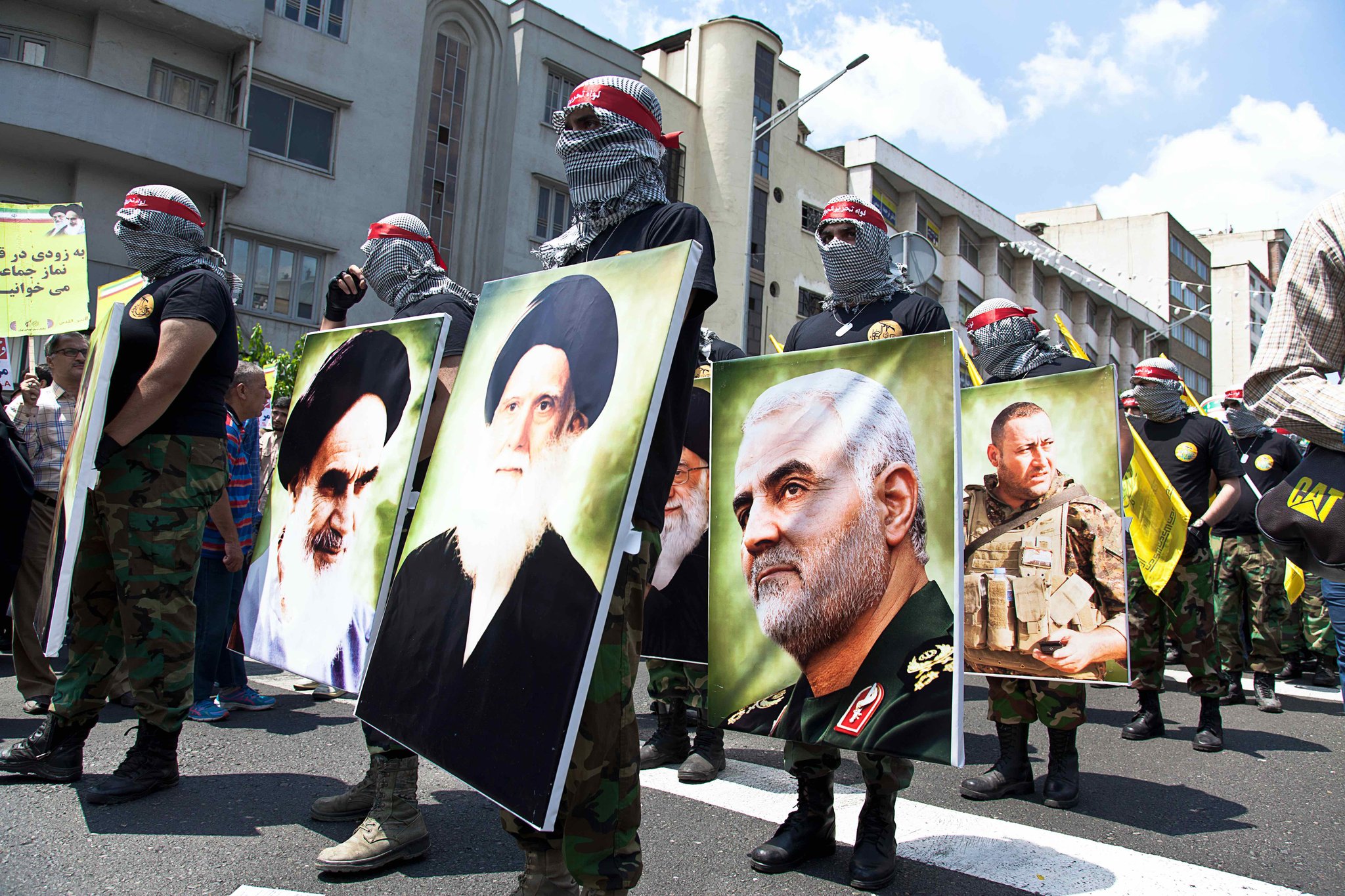
Among the Iranian security institutions, the Quds Force holds a unique position. Operating beyond Iranian borders, it combines intelligence, clandestine operations, paramilitary training, and parallel diplomacy. Its role is to identify local groups with converging interests, structure them, and gradually integrate them into a coherent regional architecture.
Over the years, Quds has developed a model based on several levers. The first is ideological and political assistance, which helps cement a common vision against adversaries. The second is military support, often provided in progressive waves, including training, operational advice, and equipment. The third is integration into transnational networks, allowing allied movements to rely on one another and extend their reach beyond their national borders.
This method creates not completely dependent organizations but partners with controlled operational autonomy, giving Iran a form of decentralized power.
The Middle East as a Laboratory for an Explicit Asymmetric Strategy
Lebanon is often presented as the archetype of this strategy. The alliance between Iran and Hezbollah was built on a shared vision but especially on an exchange of capabilities. The Lebanese movement provides a territorial and political foothold that Iran cannot have, while Tehran offers unparalleled military, financial, and strategic support.
In Iraq, the militias formed from the mobilization against the Islamic State allowed Iran to establish a lasting presence in a country central to its strategic balance. This presence gives it territorial continuity extending from its borders to the Mediterranean.
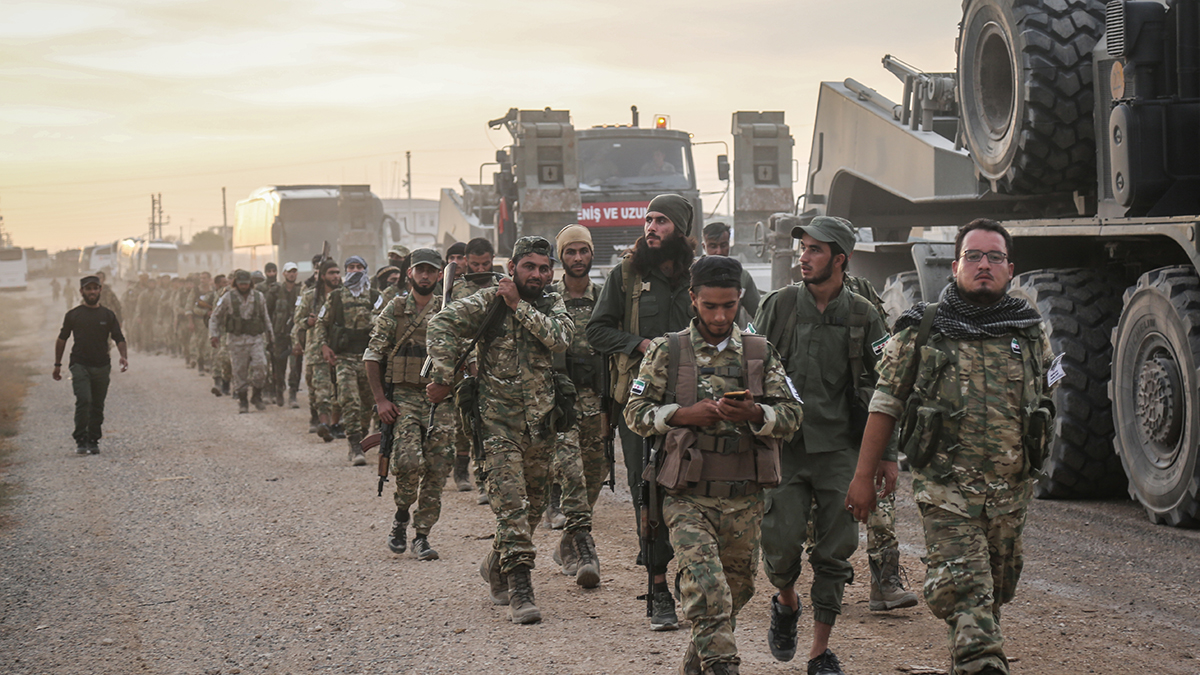
In Syria, Tehran's support for the Damascus regime has been crucial. Iran not only provided military assistance but also facilitated the mobilization of foreign fighters, creating a network of transnational forces operating within the same theater of war.
In Yemen, Iranian involvement with the Houthis has continually strengthened a local actor capable of indirectly threatening Saudi interests and disrupting vital maritime routes.
In the Gaza Strip, Iran has enhanced its indirect presence through calibrated support for armed factions. This allows it to influence a central conflict in the Arab world without direct engagement, while using this issue to sway regional power dynamics.
A Geopolitical Framework That Functions as a Web Rather Than a Chain of Command
Contrary to a simplifying idea, the groups allied with Iran do not form a pyramid structure directed from Tehran. They operate as a web of autonomous yet interconnected actors. Each has its local priorities, but all share a strategic vision that brings them closer together.
This modularity allows Iran to activate certain levers rather than others depending on crises. When pressure builds on one front, another may open elsewhere. When one actor suffers a strike, another can respond in a different region. This flexibility complicates international responses, as it prevents the identification of a single center of gravity.
This model, based on a regional scale, also works over the long term. Alliances evolve, renew, and adapt. Tehran seeks not to fully control its partners but to maintain their strategic alignment.
An Indirect Confrontation with Great Powers That Redefines the Concept of War
One of the fundamental objectives of this strategy is to avoid direct confrontation with the United States or Israel while retaining the capability to impose strategic costs.
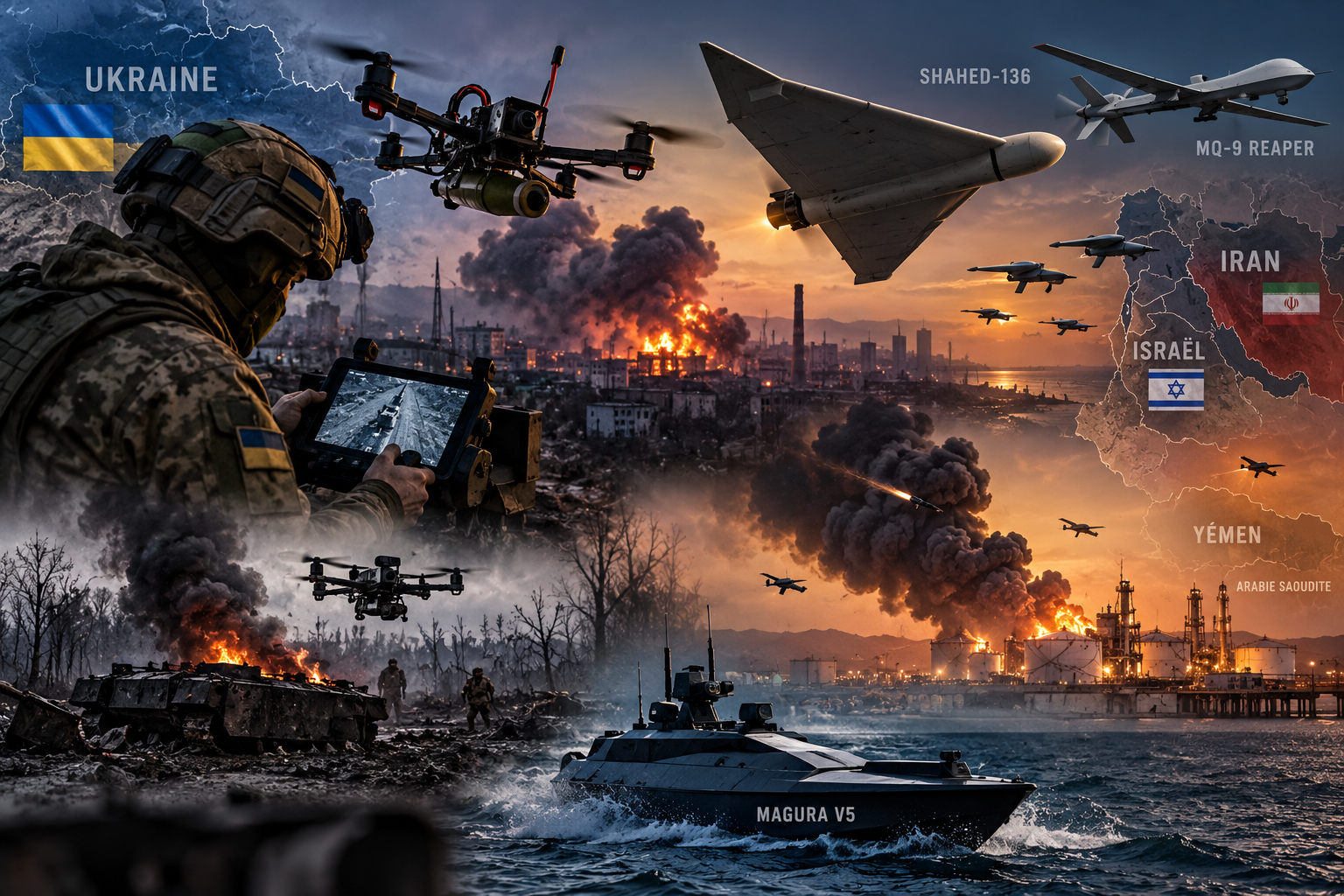
This indirect game takes place across multiple terrains. In Iraq and Syria, U.S. bases regularly suffer attacks attributed to local groups aligned with Iranian interests. In the Red Sea, Houthi operations disrupt essential maritime routes, influencing global economic dynamics.
In Gaza, Iran finds itself at the center of a diplomatic and military lever without having to deploy a single regular unit.
This diffuse confrontation weakens Tehran's adversaries, increases its diplomatic clout, and gives Iran a capacity for disruption that no sanctions have been able to diminish significantly.
A Network that Evolves with Technology and New Battlefields
The Iranian network not only relies on traditional militias anymore. It now also relies on several innovations.
Low-cost Iranian drones have profoundly changed the regional military landscape. Their proliferation enables allied groups to conduct autonomous aerial operations that are difficult to intercept.
Cyberspace has become another extension of this strategy. Units linked to Iran carry out cyberattacks against critical infrastructures, adding an invisible yet destructive dimension to the confrontation.
This technological evolution provides Tehran with modern tools that further enhance its capacity for asymmetric influence.
A Model that Reinforces Iran's Position but Sustains Chronic Instability
If this strategy has allowed Iran to bypass its isolation, it has also contributed to creating a regional environment marked by fragmentation and prolonged conflicts.
In several countries, the presence of parallel armed forces complicates political reconstruction, weakens institutions, and fuels communal tensions.
However, from Tehran's perspective, this arrangement is a success. It increases its influence, diminishes the reach of its rivals, and ensures it a strategic depth that its original geography could not provide alone.