Iran – United States – Israel Conflict: The Middle East on the Brink of a Strategic Shift
The Middle East is currently undergoing one of the most dangerous phases in its recent history. After decades of indirect tensions, the confrontation between Iran, Israel, and the United States has reached an unprecedented threshold: that of open military conflict. What is happening now goes far beyond a simple regional escalation. For many observers, the current crisis could redefine the strategic balance of the Middle East and accelerate the reorganization of the international system.
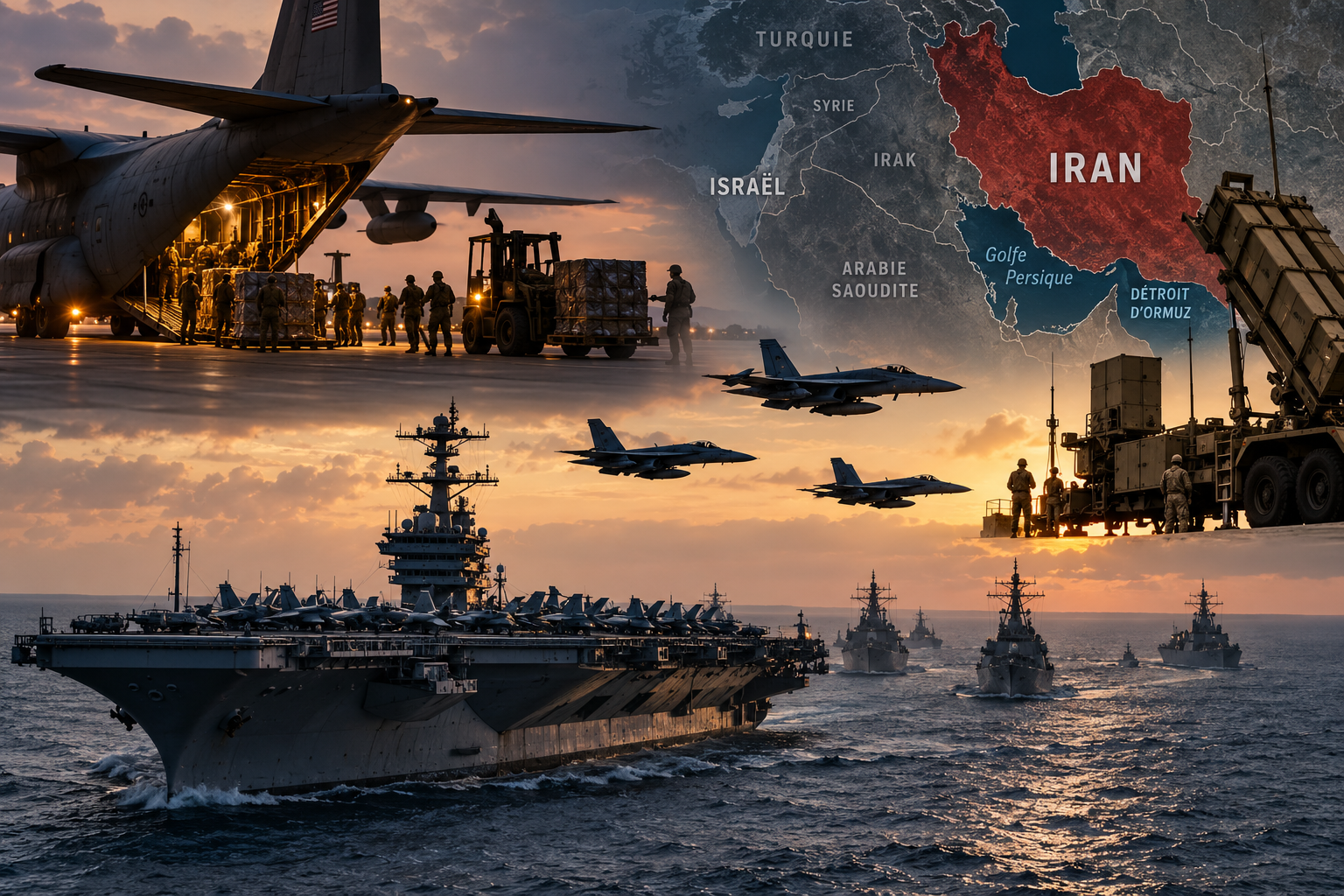
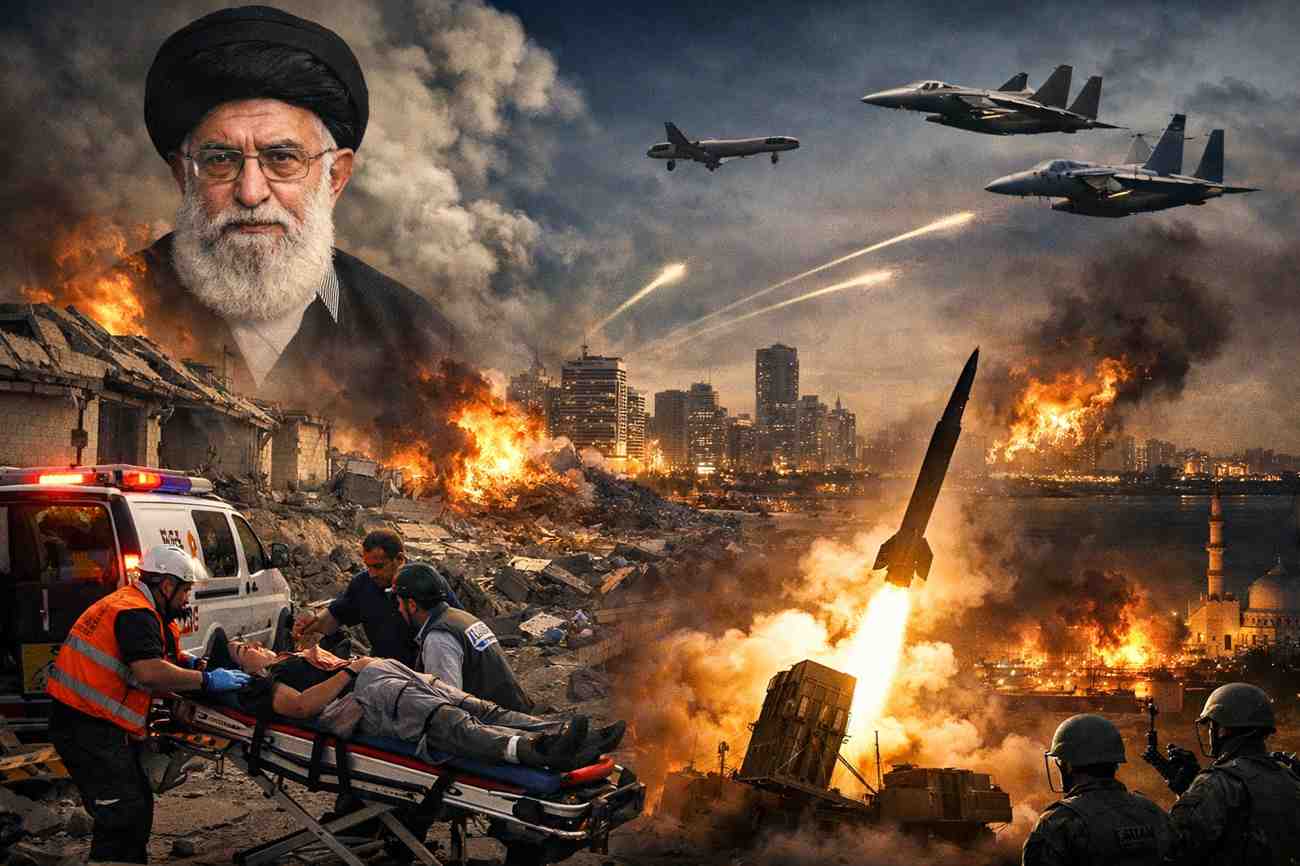
For several years, the relations between Tehran and Tel Aviv rested on a shadow war logic. Cyberattacks, sabotage of nuclear facilities, targeted assassinations of scientists, and indirect confrontations through regional militias had created a climate of permanent confrontation. However, the coordinated strikes carried out by Israel with the strategic support of the United States mark a major break in this dynamic. The stated objective is clear: to permanently weaken Iran's military capabilities and prevent any irreversible advancement of its nuclear program.
For Israel, Iran has long represented an existential threat. The prospect of an Iran capable of producing a nuclear weapon is seen as a strategic red line. Diplomatic attempts made in recent years to constrain Iran's nuclear program have gradually collapsed, paving the way for a military confrontation logic. In this context, current air operations aim to neutralize military infrastructure and ballistic capabilities in Tehran while attempting to disrupt the regime's command system.
But Iran does not approach this conflict without resources. For several decades, Iran's strategy has been built on a central principle: the projection of regional influence through a network of alliances and armed actors. This setup, often referred to as the 'axis of resistance,' allows Tehran to apply indirect pressure on its adversaries across multiple fronts. This strategic architecture potentially transforms any direct confrontation with Iran into an expanded regional conflict.
In this context, the current crisis could rapidly exceed Iranian borders. Tensions in Lebanon, Syria, and Iraq represent friction points likely to expand the theater of operations. A war that remains strictly bilateral between Iran and Israel appears unlikely today. The strategic balance of the Middle East relies on a tangle of alliances and rivalries that make any escalation difficult to contain.
Beyond the military dimension, the conflict also possesses a global economic aspect. Iran has a major geopolitical lever: the Strait of Hormuz. This strategic maritime passage is one of the primary energy corridors in the world. A significant portion of the world’s oil transits daily through this narrow area connecting the Persian Gulf to the Indian Ocean. Any lasting disruption to maritime traffic in this region could trigger a global energy shock, with immediate consequences for global markets and the international economy.
Great powers are therefore watching the evolution of the conflict with extreme attention. Russia, engaged in a strategic rivalry with the West, may be tempted to indirectly support Iran to undermine American influence in the Middle East. China, for its part, heavily relies on energy imports from the Gulf and primarily fears a lasting destabilization of oil routes. As for European countries, they find themselves in a complex position, torn between their strategic alliance with Washington and their energy dependence on regional stability.
The current crisis primarily reveals a deep transformation of the international system. The world seems to be entering a phase where regional conflicts can quickly take on a global dimension. The balances inherited from the post-Cold War era appear increasingly fragile, replaced by strategic competition among powers.
In this uncertain context, one question now dominates diplomatic analyses: will the current war remain a limited conflict, or will it become the spark of a broader regional confrontation? The history of the Middle East shows that crises emerging there often exceed the boundaries of the initial conflict.
One thing already seems certain: the confrontation between Iran, Israel, and the United States marks a major turning point in contemporary geopolitical history. And the repercussions of this crisis could well extend far beyond the borders of the Middle East.