A pivot born from regional isolation
In recent years, Algerian diplomacy has been caught in a web of regional tensions: a complete break with Morocco, strained relations with Spain, tensions with France, deteriorating cooperation with Mali, and loss of influence in West Africa.
This unstable environment has reinforced a sense of strategic encirclement.
For Algiers, reaching out to Washington seems to be a means to regain weight in regional balances, escape isolation, and reintroduce maneuvering space on issues where its position has weakened, particularly concerning Western Sahara.
This shift does not erase historical ties with Moscow and Beijing, but it reflects a desire to diversify its support to avoid dependence on a single axis.
Diplomatic gestures that raise questions
The first notable signal emerged at the UN when Algeria abstained from voting on a resolution favorable to Morocco's autonomy plan for Western Sahara.
An unprecedented gesture that surprised regional observers.
Another significant change: a more nuanced stance on certain Middle Eastern issues traditionally handled in alignment with the Russia-China bloc.
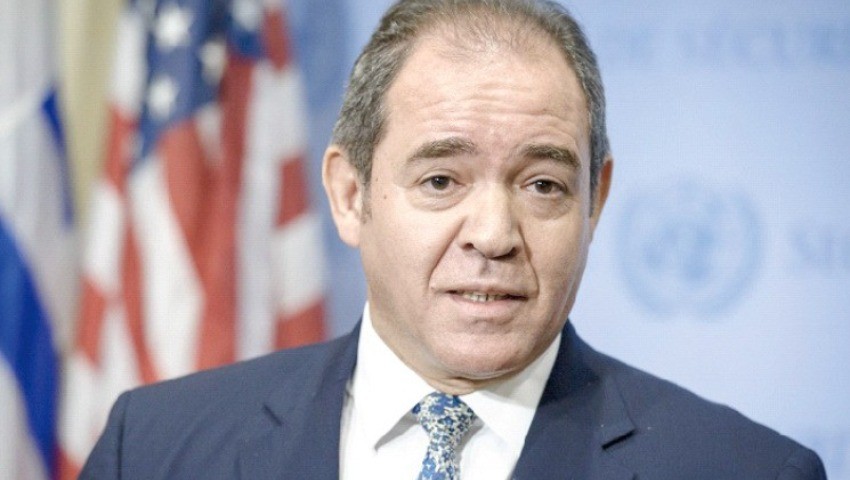
Additionally, several public statements from Algeria's ambassador in Washington have advocated for an "expanded" cooperation with the United States, particularly in the economic, energy, and security sectors.
These combined signals indicate a deliberate repositioning, albeit cautious and gradually tested.
Energy, the true driver of rapprochement
Behind the diplomatic facade, energy remains at the heart of the movement.
Washington views Algeria as a key player for Europe's energy diversification.
Algeria, for its part, is looking to attract more American investments in exploration, petrochemicals, natural gas, and infrastructure.
Discussions have taken place around new partnerships with American companies, aimed at modernizing production capacities and expanding international markets.
Gas, at the center of this equation, serves as both a diplomatic tool and an economic lever.
A pivot still uncertain
Despite these signals, Algeria's repositioning remains fragile.
The regime aims to balance its long-standing security partnership with Moscow while testing a targeted rapprochement with Washington.
This strategy of "doing both at once," typical of Algeria, aims to navigate between multiple power centers.
The success of this pivot will depend on Algeria's ability to offer a more predictable diplomacy, to improve its regional relations, and to provide a stable framework for American investors — which remains a structural challenge.