A structural hostility never resolved
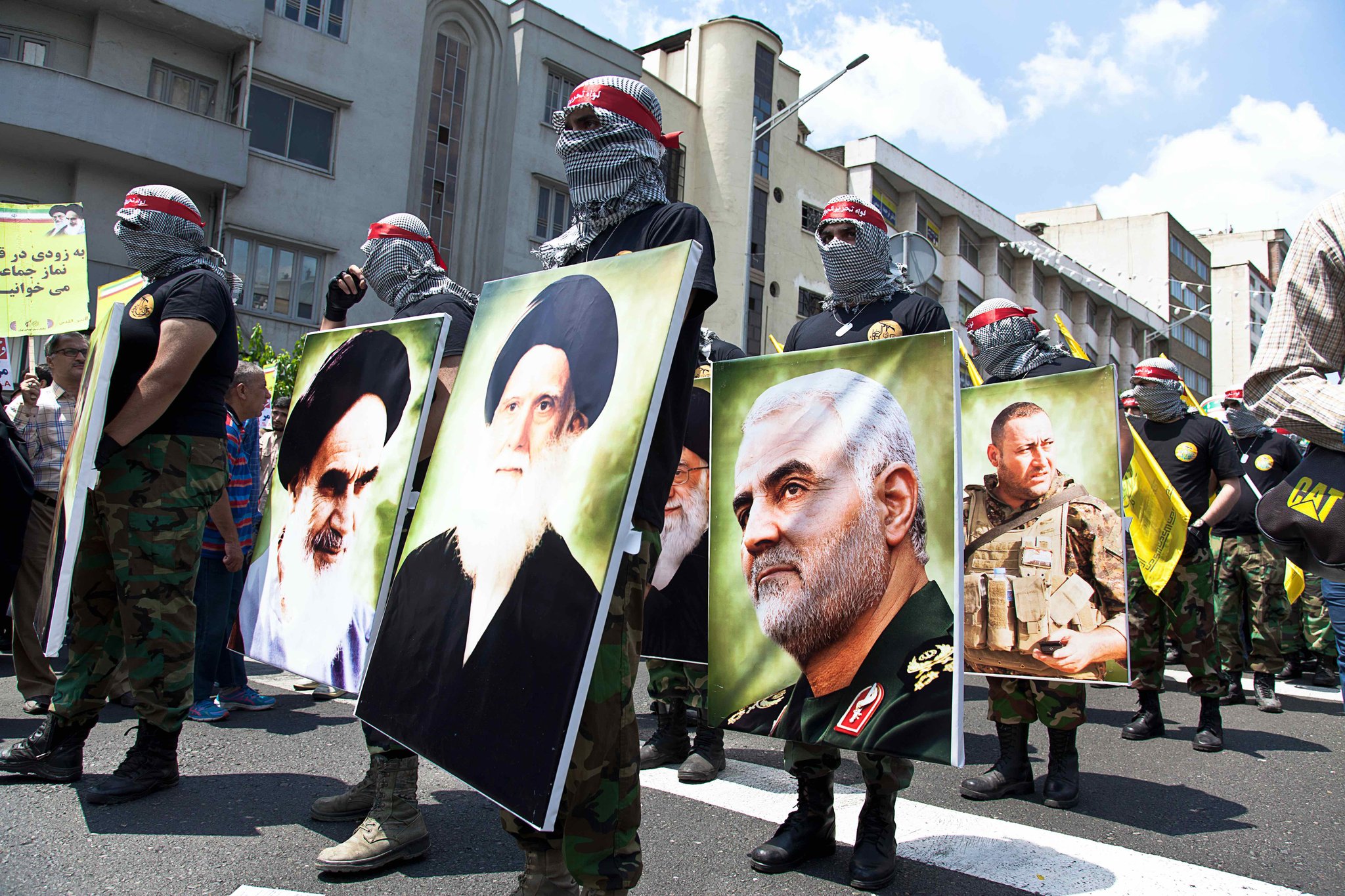
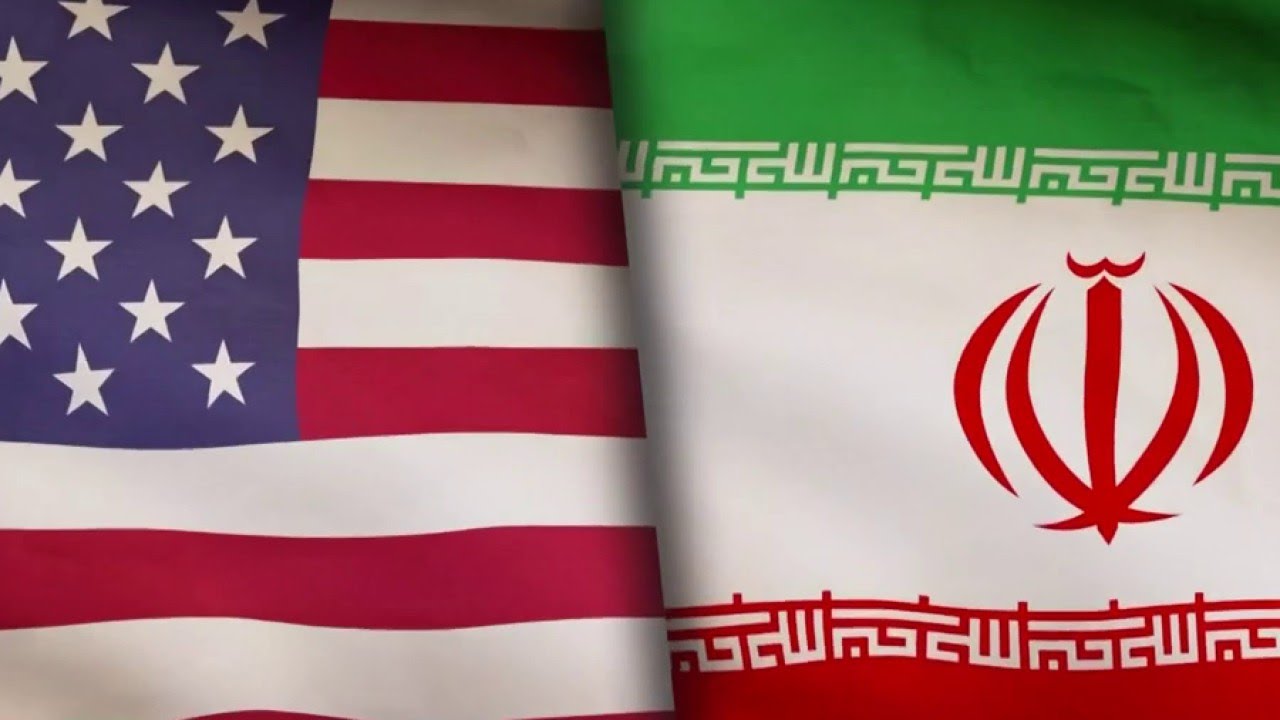
Historically, relations between Iran and the United States have been characterized by deep mistrust. For several decades, economic sanctions, diplomatic breaks, and indirect confrontations have shaped a permanent power dynamic. This structural hostility is not based on a mere temporary disagreement, but on opposing visions of the regional order in the Middle East.
Washington views Iran as a destabilizing actor, whereas Tehran sees the U.S. military presence as a direct threat to its sovereignty and national security.
The nuclear issue, the core of the conflict
Iran's nuclear program remains the main point of friction. The United States suspects Iran of wanting to develop nuclear weapons, a claim Tehran denies, asserting a strictly civilian use of uranium enrichment.
The repeated failures of control mechanisms and the fragility of past agreements have intensified mutual distrust. Every Iranian technical advancement is interpreted as a strategic provocation, while each additional sanction fuels a sense of encirclement within the Iranian regime.
An indirect but ongoing military confrontation
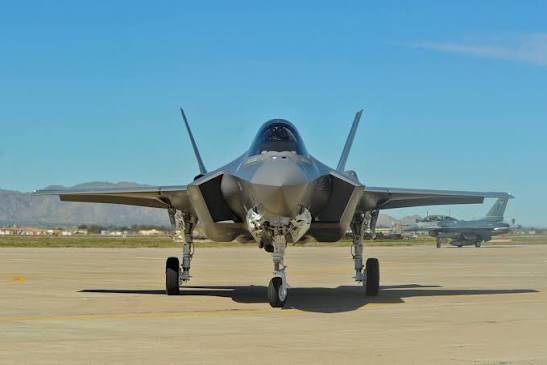
Although no direct clash has been officially initiated, both countries are already opposing each other in various theaters. Military bases, strategic maritime routes, and regional spheres of influence are points of tension where incidents are frequent.
This so-called 'indirect war' relies on limited displays of force, targeted strikes, deterrence operations, and significant naval presence. The risk lies less in a formal declaration of war than in a series of poorly managed incidents.
The central role of regional allies
The potential conflict extends far beyond the bilateral framework. Israel, Gulf countries, and certain non-state actors play a crucial role in the regional balance. Iranian support for armed groups is viewed by Washington and its allies as a strategic red line.
Conversely, Iran sees these alliances as a containment strategy aimed at limiting its influence. This logic of blocs mechanically increases the risk of regional conflagration in the event of escalation.
Economic pressures and internal political calculations
Economic sanctions imposed on Iran constitute a major lever in the American strategy. They weaken the Iranian economy, but also bolster nationalist rhetoric and the firmness of the ruling power.
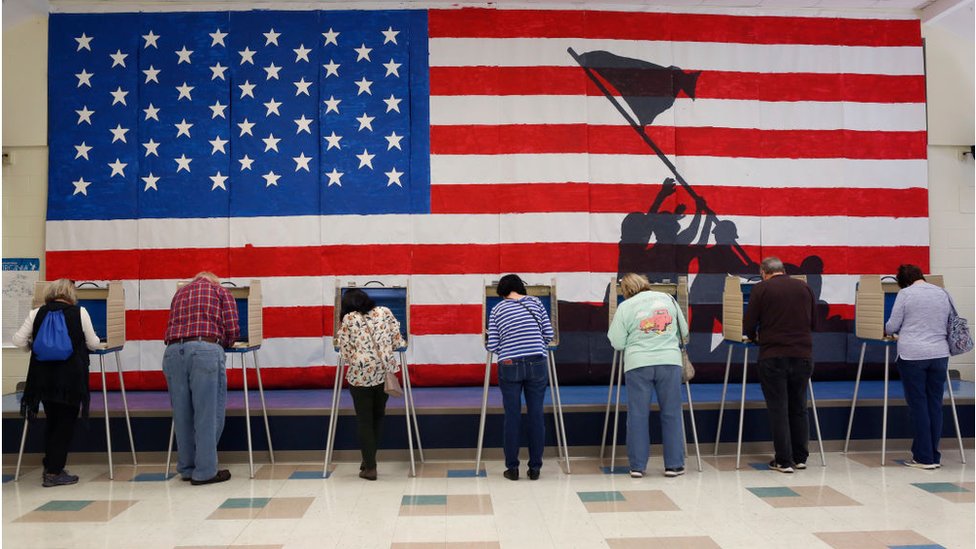
In the United States, the Iranian issue remains highly politicized. Any concession is perceived as a sign of weakness, while an overly aggressive posture carries strategic and electoral costs. These internal constraints limit the diplomatic maneuvering space for both sides.
What possible scenarios?
Several paths are emerging:
-
Controlled de-escalation : Gradual resumption of dialogue, limited agreements, and strengthened control mechanisms.
-
Limited escalation : Targeted strikes, indirect actions, without open war.
-
Wider regional conflict : Involvement of allies and major disruption of global energy and security balances.
None of these scenarios is currently dominant, making the situation particularly unstable.
A fragile equilibrium under international scrutiny
The current situation rests on a precarious balance between deterrence and restraint. Neither Washington nor Tehran appears to desire total conflict, but each seeks to test the limits of the other.
In this context, the slightest miscalculation could turn chronic tension into an open crisis, with consequences well beyond the Middle East.