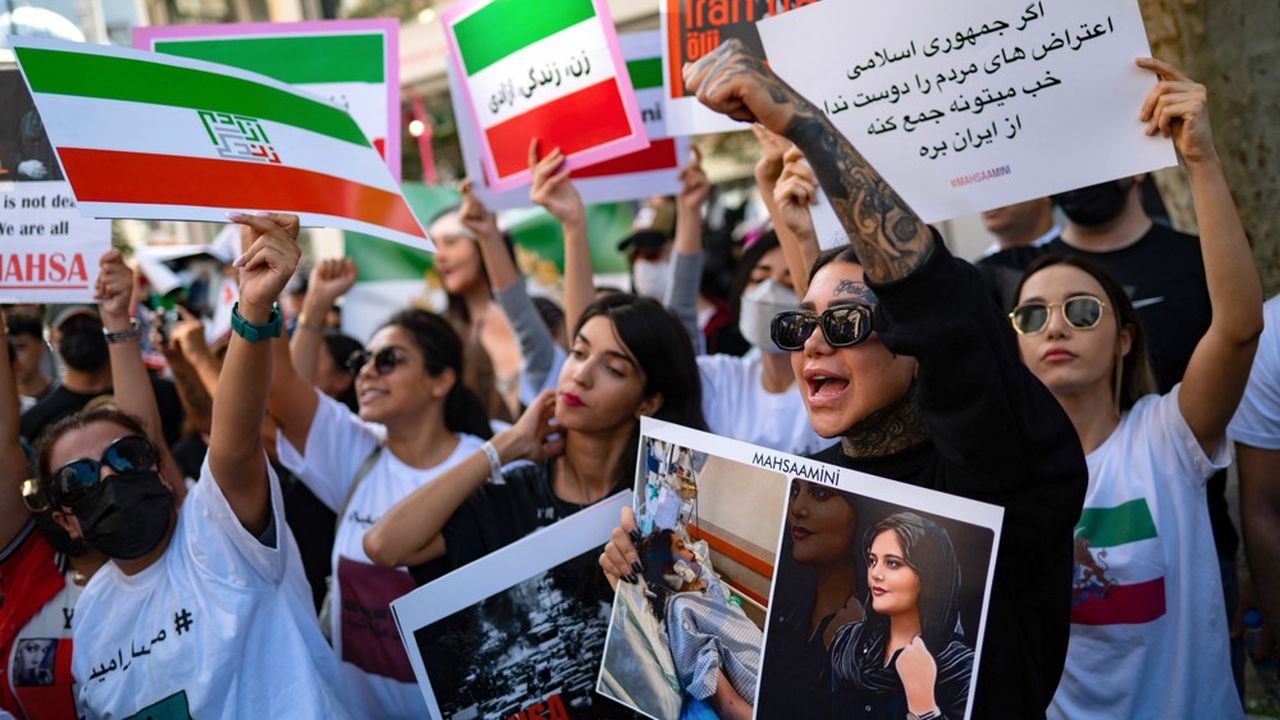
The streets of several Iranian cities are once again the scene of gatherings and protests, indicating a long-lasting dissent. Driven by both economic and political demands, these protests reflect deep unrest in Iranian society, facing high inflation, currency depreciation, and persistent unemployment, particularly among youth.
While the forms of mobilization often remain limited and fragmented, their recurrence sends a clear signal: discontent has not dissipated. In some urban neighborhoods as well as provincial cities, slogans denouncing the high cost of living, corruption, and restrictions on public freedoms have been heard, despite an intensified security presence.
Iranian authorities have responded with increased security forces, targeted arrests, and strict control of information. Internet access is regularly disrupted, especially during peak mobilization times, complicating the spread of images and testimonies. This strategy aims to contain dissent and prevent it from taking on a coordinated national dimension.
Politically, the regime continues to portray these movements as marginal or manipulated from abroad, a narrative that has become entrenched in official communication. Nevertheless, the persistence of protests underscores internal tensions that mere security responses struggle to resolve. Economic difficulties, exacerbated by international sanctions and contested governance, fuel a sense of impasse among an increasingly larger portion of the population.
These protests are part of a broader sequence of dissent that, while not overturning the established order, gradually erodes the social contract. They reveal a country marked by deep fractures, where the apparent stability relies on an increasingly fragile balance between political control and social pressure.