“Morocco has what French gastronomy had in the 19th century: a soul.”
— Pierre Hermé, French pastry chef.
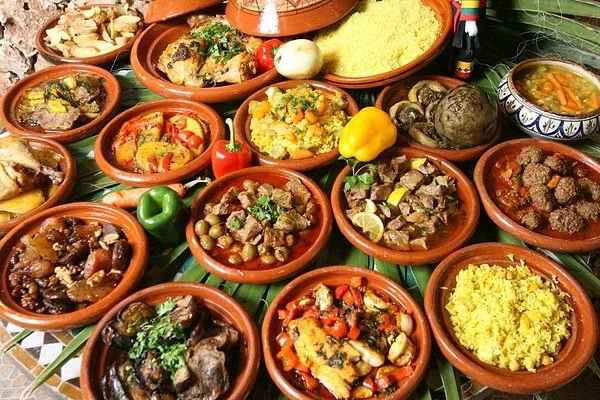
Long seen as exotic or folkloric, Moroccan cuisine is now asserting itself as one of the most influential in the world.
Star chefs like Yotam Ottolenghi, Hélène Darroze and Massimo Bottura are now incorporating ras el hanout, pearl couscous or preserved lemons into their menus.
The Kingdom's gastronomy is no longer just served in Marrakech riads: it reigns in the kitchens of major capitals.
The golden age of Moroccan flavors
In London, Moroccan chef Mourad Mazouz (the creator of the restaurant “Momo”) paved the way in the early 2000s. Today, diaspora chefs like Najet Kanaache (San Sebastián), Abdellah El Idrissi (Paris), or Sanaa Lahlou (Warsaw) continue this passion.
Their signature?
A cuisine authentic yet bold, where Moroccan traditions meet contemporary haute cuisine.
Pastilla is reinvented in a savory version with pigeon and foie gras, the tagine becomes vegetarian and refined, and mint tea transforms into a sweet espuma.
Ingredients that have become stars
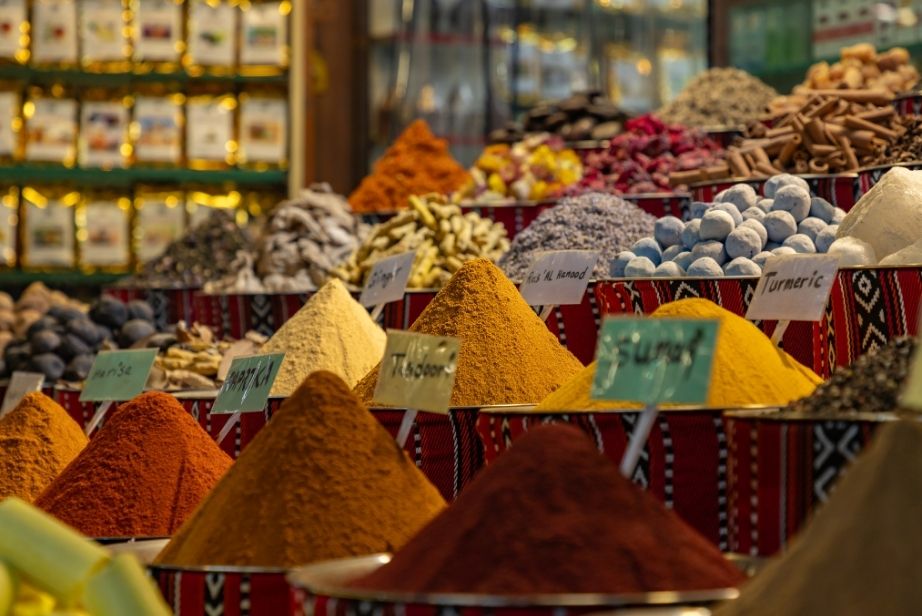
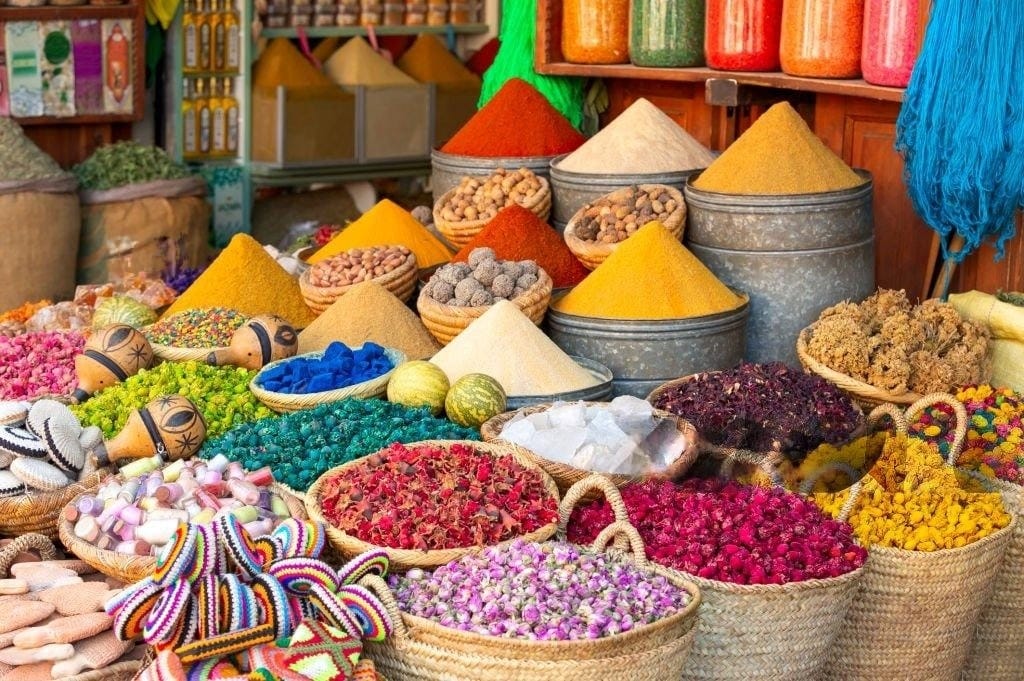
Moroccan spices enchant chefs worldwide: cumin, saffron, cinnamon, ginger, fresh coriander...
They embody a cuisine sensory and poetic, rooted in slowness, transmission, and conviviality.
The preserved beldi lemon, now produced in Provence or California, has become a key ingredient in fusion cuisine.
Even prestigious culinary schools like Le Cordon Bleu and the Paul Bocuse Institute offer modules dedicated to Maghreb cuisine, with Morocco at the forefront.
Moroccans around the world, ambassadors of taste
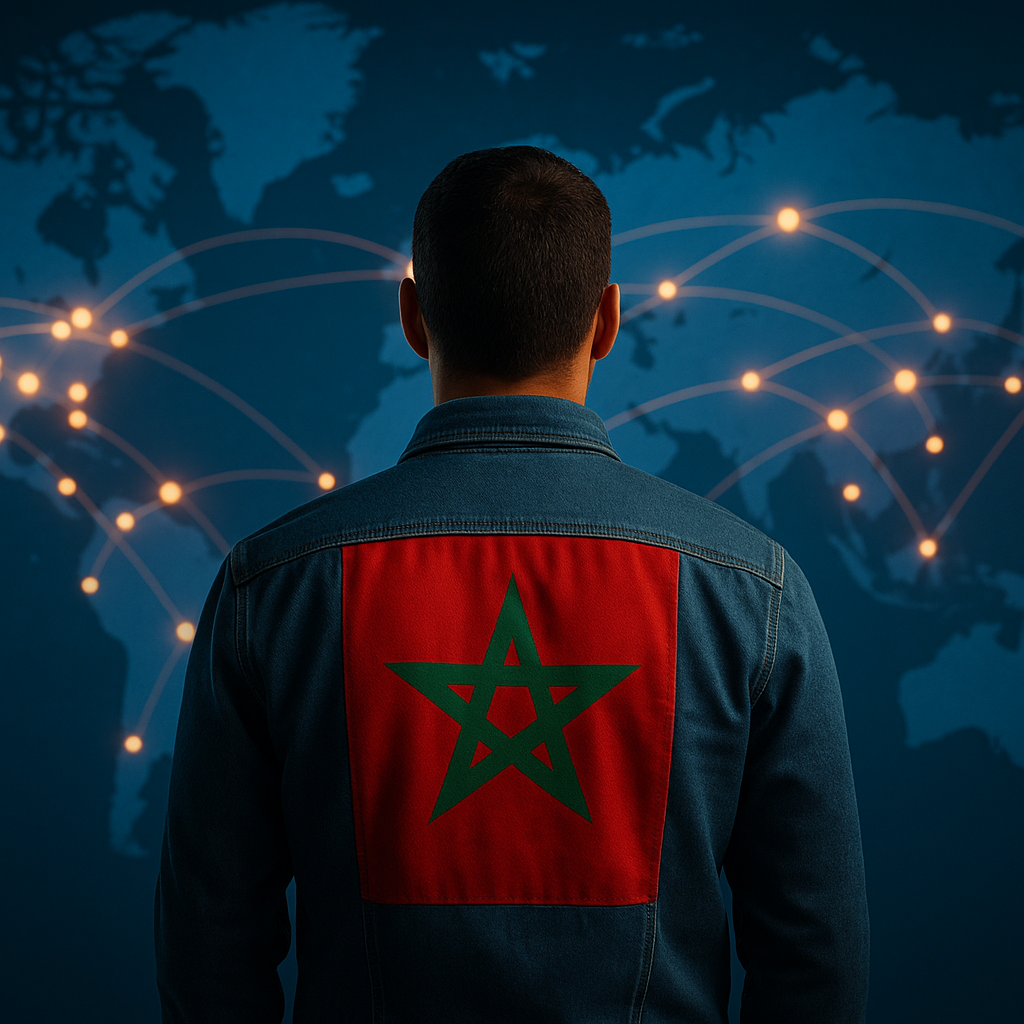
From New York to Montreal, from Doha to Brussels, the Moroccan diaspora plays a significant role in this expansion.
Young chefs are reinventing their mothers' recipes, blending heritage and innovation.
On TikTok, videos of “Moroccan food ASMR” are racking up millions of views, while on Instagram, the hashtag #MoroccanCuisine exceeds 3 million posts.
“Moroccan cuisine is the balance between memory and surprise.”
— Najet Kanaache, Moroccan chef in San Sebastián.
A living heritage

In 2010, UNESCO inscribed Moroccan gastronomy in the intangible cultural heritage of humanity, alongside those of France, Mexico, and Japan.
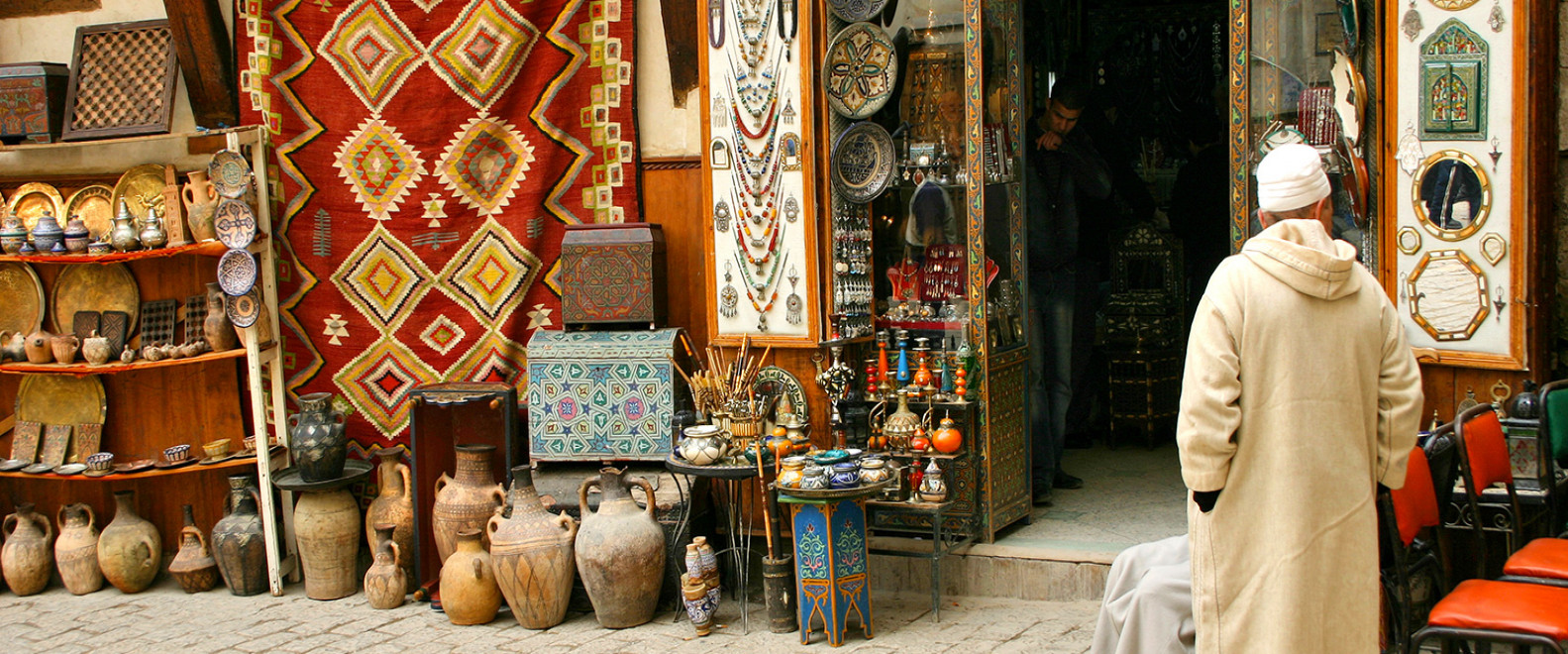
But this recognition is not just institutional: it is lived daily in homes, souks, and dining tables.
Morocco remains a country where cooking is an act of love, connection, and cultural resistance.
Towards a new culinary diplomacy
Today, the Moroccan government relies on this soft power.
Moroccan gastronomic weeks are organized in embassies, culinary festivals, and international fairs.
Products like argan oil, Taliouine saffron or Meknes olives have become emblems of export.
Moroccan cuisine is not just conquering tables; it is capturing minds..