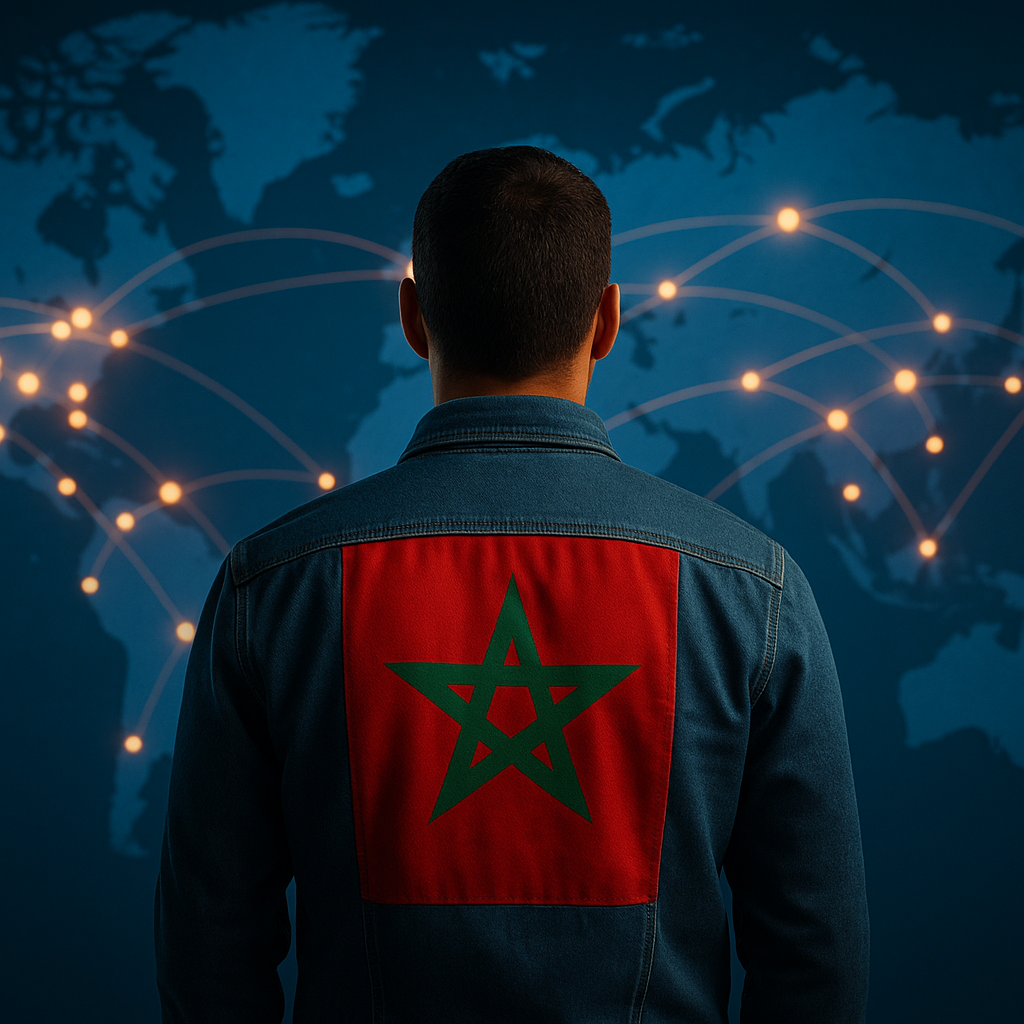
The perception of Moroccans around the world has evolved over the years, driven by the Kingdom's openness, the growing visibility of its diaspora, and the cultural influence the country projects internationally. In 2025, this image appears generally positive, although it remains shaped by different realities across various regions of the globe.
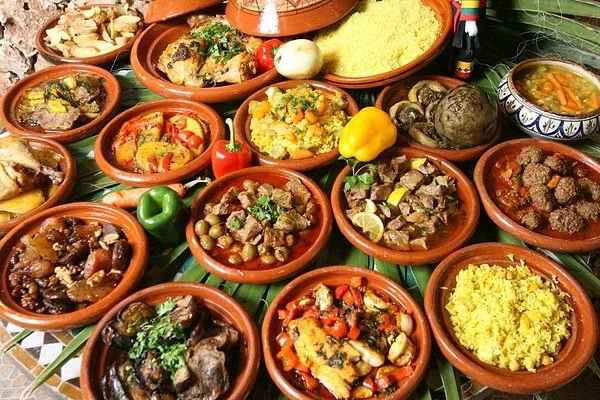
In Europe, where the largest Moroccan community abroad resides, Moroccans are seen as a hardworking, resilient people deeply attached to their traditions. Their long-standing and structured presence has greatly contributed to their integration into the social, economic, and cultural landscape. They now occupy a variety of positions, from entrepreneurship to the restaurant industry, as well as public service, art, sports, and technology. Their cultural influence is undeniable: Moroccan cuisine, music, fashion, and the arts are increasingly prominent in the daily lives of many Europeans. Despite this, some stereotypes persist, remnants of more challenging immigration periods, but they are gradually fading thanks to a new generation born in Europe.
In Africa, the image of Moroccans is directly linked to the Kingdom's diplomatic and economic role on the continent. In several Sub-Saharan countries, they are regarded as reliable partners, often present through banks, telecommunications, real estate, education, and infrastructure. African students trained in Moroccan universities return home with a very positive perception of the country and its people, whom they describe as open, welcoming, and supportive. This closeness enhances Morocco’s standing in its African environment.
In the Middle East, the perception rests on a combination of respect and cultural proximity. Moroccans are known for their seriousness, adaptability, and sense of service. In the Gulf countries, in particular, they enjoy a strong professional image and are valued for their versatility, language skills, and dedication to family values. Morocco's stability, its religious role, and its moderate openness also contribute to reinforcing this perception.
In North America, the Moroccan diaspora is often associated with academic excellence and professional success. Many Moroccans work in high-tech, medicine, research, finance, or engineering. This qualified presence has shaped a modern image of Moroccans as ambitious, educated individuals capable of integrating into highly competitive environments. In both the United States and Canada, this reputation, although more subdued than that of other communities, remains extremely positive.
In Latin America, the visibility of Morocco is increasing due to diplomatic relations and the growing curiosity of local populations about Moroccan culture. Moroccans are seen as warm, curious people with a rich culture. Gastronomy, football, and music play a significant role in this appreciation, as do university exchanges and cultural events.
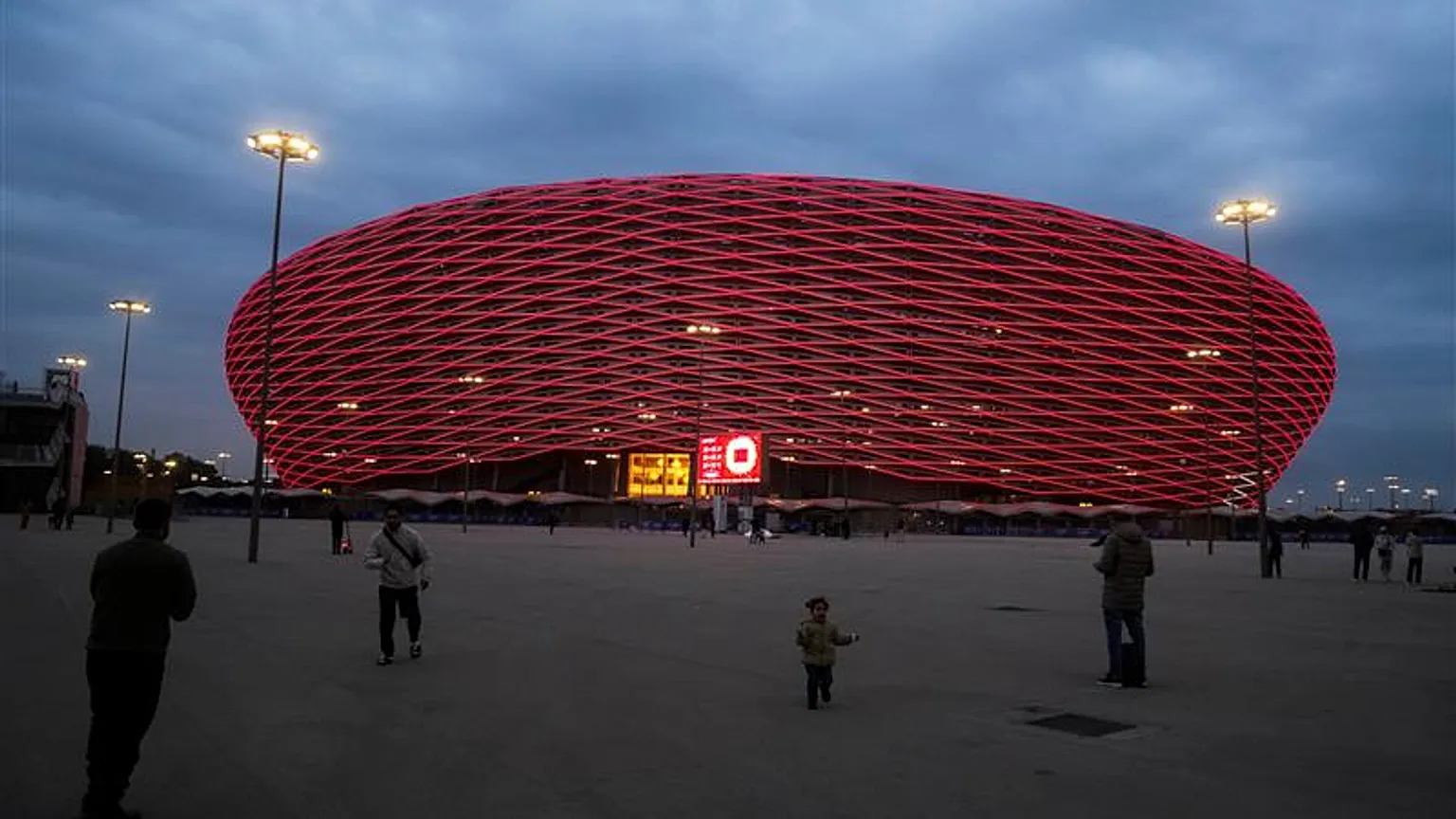
Globally, Morocco's reputation benefits from the rising prominence of its national soft power. The impact of football, cultural successes, international events held in the country, a booming tourism sector, and proactive diplomacy contribute to enhancing the image of Moroccans worldwide. They are typically identified as a welcoming, open, respectful people deeply attached to their identity. This image is accompanied by the perception of a stable, dynamic, and rapidly transforming society.
However, some challenges remain, such as persistent prejudices in certain areas and a lack of understanding of contemporary Morocco. Nevertheless, the international image of Moroccans remains one of the most positive in the Arab world, supported by an influential diaspora, a radiant culture, and proactive diplomacy.