As the CAN 2025 reaches its peak, Morocco is not limiting its role as a host country to the sports organization. Since the competition began, accredited African journalists have been invited to cultural visits organized alongside the matches, revealing a communication strategy based on direct experience and image projection.
These trips, spread over several days, take media professionals to the heart of the Kingdom's iconic cities. In Rabat, the political and cultural capital, journalists discover the Kasbah of the Oudayas, the Hassan Tower, and historical spaces that narrate the continuity of the Moroccan state. These symbolic locations provide a conducive setting for understanding the national narrative that the country wishes to project during the competition.
In Fes, visiting the UNESCO-listed medina, the Bou Inania madrasa, and artisan workshops highlights an ancestral Morocco, structured around knowledge, transmission, and craftsmanship. This immersion allows journalists to grasp a dimension often absent from traditional sports coverage, yet central to the Kingdom's image strategy.
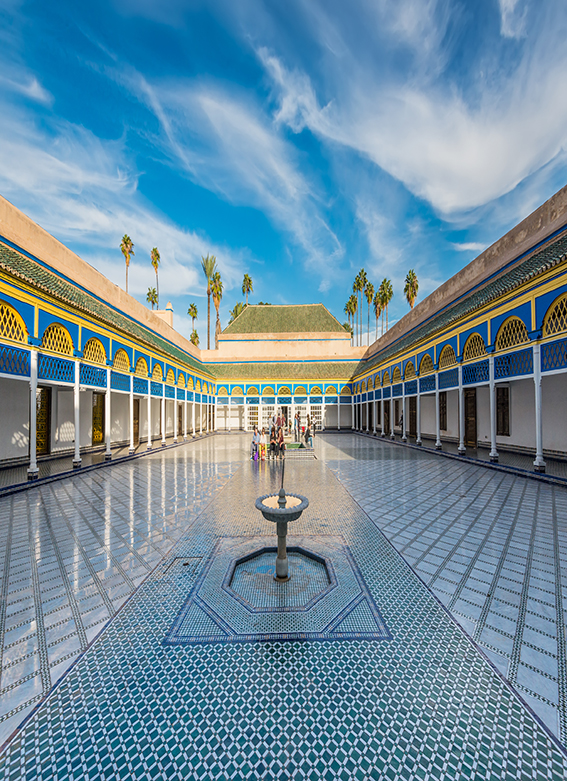
Marrakech is also among the key stops in this parallel program. The Bahia Palace, Jemaa el-Fna square, and historical gardens become backdrops where culture, tourism, and media narrative converge. The goal is clear: to associate CAN 2025 with a comprehensive Moroccan experience that transcends the mere scope of football.
In some segments, journalists also access modern institutional and cultural sites, illustrating Morocco's desire to blend heritage with modernity. This approach aims to balance the narrative between tradition, stability, and organizational capability, at a time when African media attention is particularly focused.
This initiative is not improvised. It fits into a deliberate soft power strategy, where the sporting event serves as a lever for cultural diplomacy. By offering journalists privileged access to these sites, Morocco connects sports performance with a coherent and controlled national narrative.
Through these organized visits while the CAN is played, the Kingdom sends a clear message: organizing the competition is not just about the logistics of matches, but part of a broader vision, where image, narrative, and media influence are as significant as the results on the field.