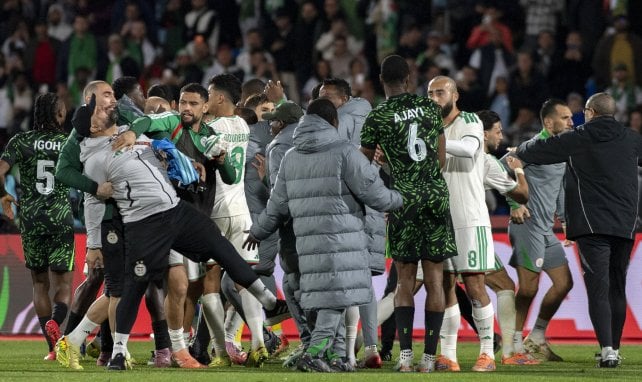
Algeria was eliminated yesterday from the 2025 Africa Cup of Nations after a clear defeat 2-0 against Nigeria, in a match where the limitations of the team quickly became apparent. Overwhelmed in key moments, the Algerians never truly found solutions to change the momentum established by the Super Eagles.
On the field, Nigeria demonstrated control and efficiency, capitalizing on Algeria's defensive hesitations to score two decisive goals in the second half. On the Algerian side, the lack of offensive creativity and mental instability weighed heavily on the outcome of the match.
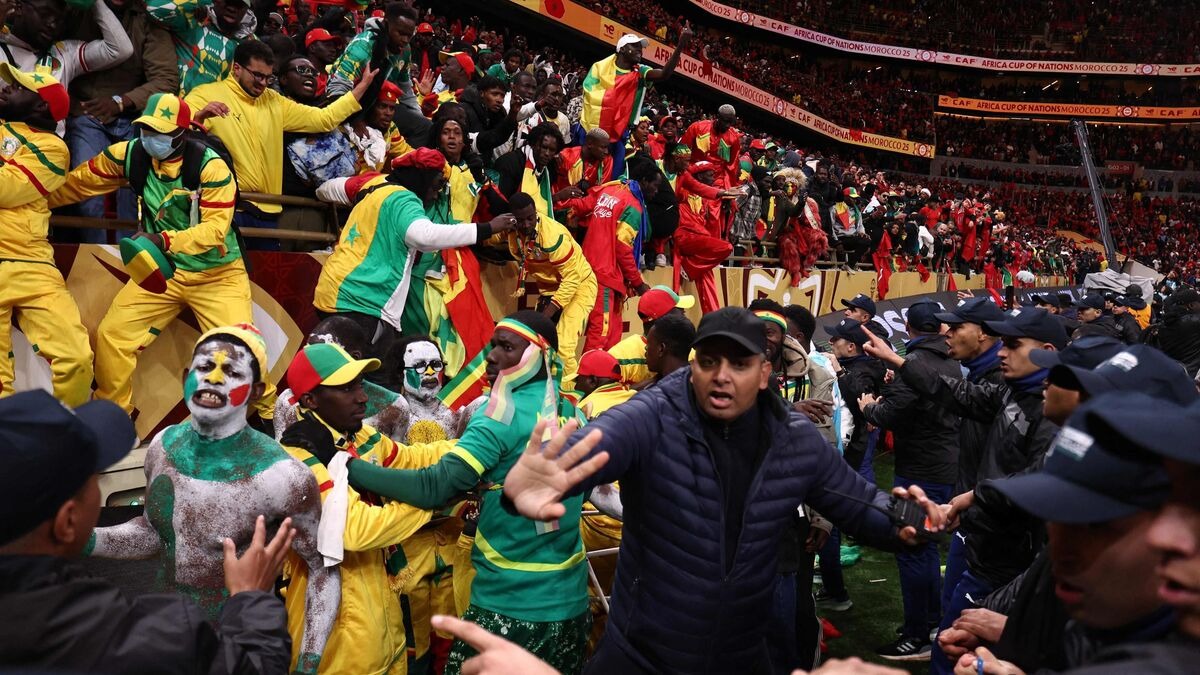
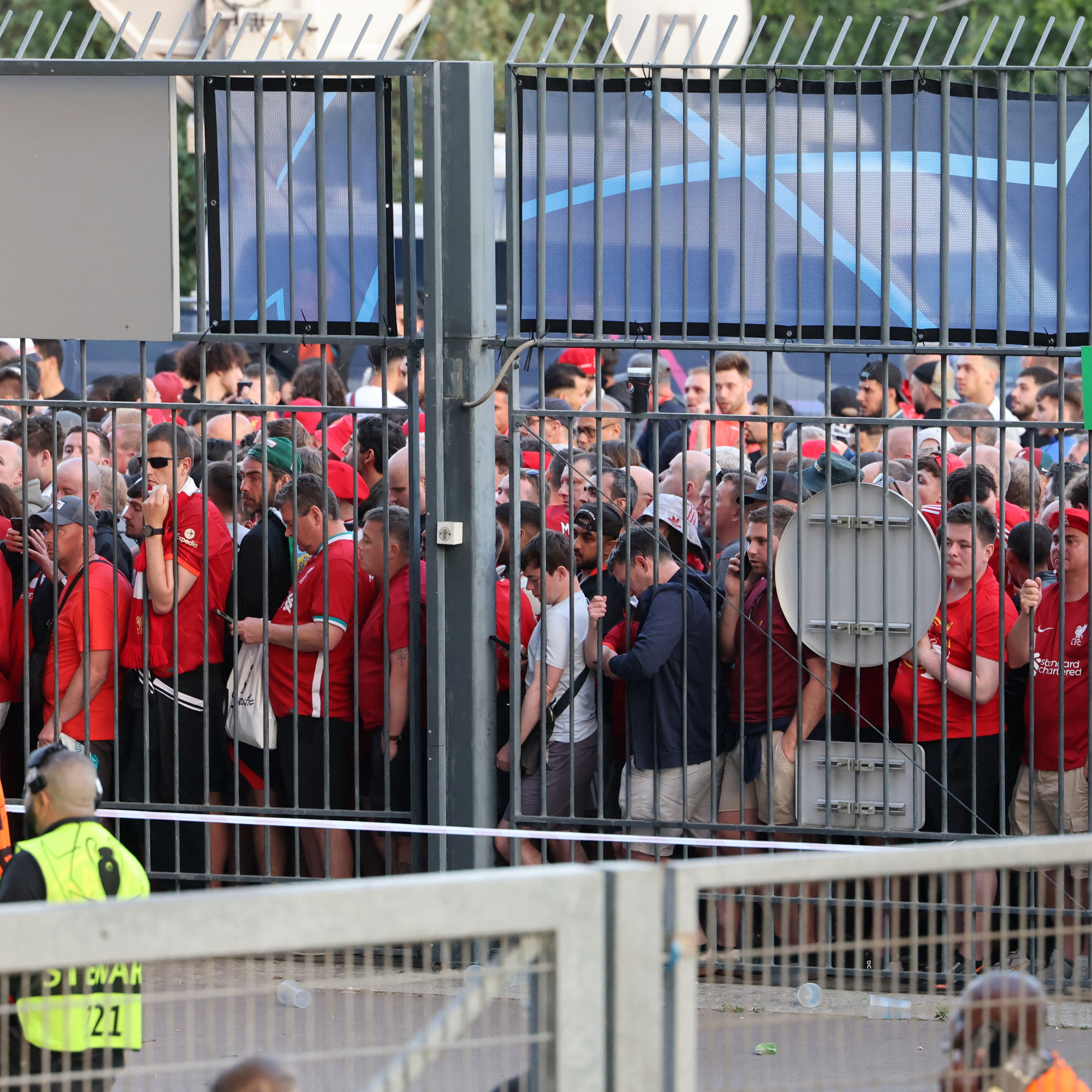
However, it was mostly after the final whistle that the situation escalated. In the stands and on social media, some supporters expressed their anger through aggressive remarks aimed at referees, opponents, and even the Algerian players themselves. An excessive emotional reaction that quickly reached worrying proportions.
Media coverage did not help calm tensions. Some journalists and commentators adopted an accusatory, sometimes passionate tone, seeking external scapegoats rather than objective sports analysis. This atmosphere of verbal escalation has perpetuated a perception of victimization that is incompatible with high-level competition.
On the players' side, several attitudes observed after the match were also criticized. Signs of annoyance, impulsive statements, and an inability to acknowledge the opponent's superiority reinforced the image of a group overwhelmed by the event, both mentally and sportively.
This sequence raises a central question: how to manage defeat in modern football? At this level of competition, responsibility does not rest solely on results, but also on collective behavior, be it that of players, media, or fans.
Beyond the elimination, Algeria emerges from this AFCON with a broader issue than just the sporting aspect. Restoring a calm discourse, owning up to failures, and rebuilding on solid foundations will be essential to prevent each underperformance from transforming into a national crisis.