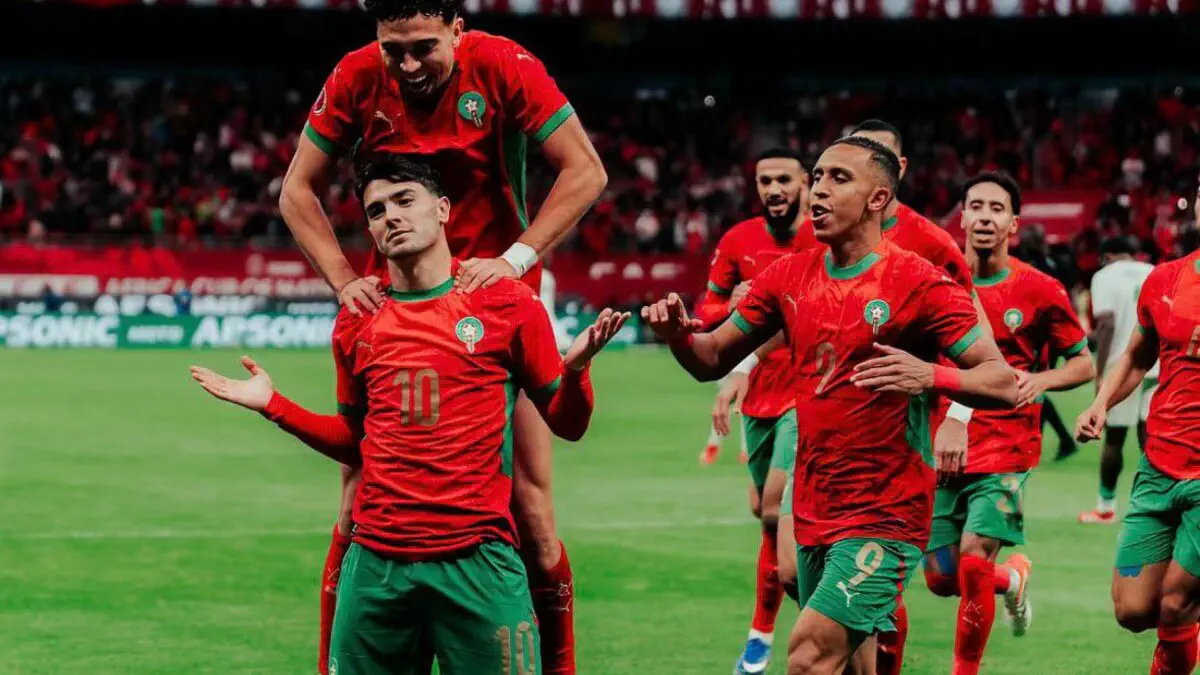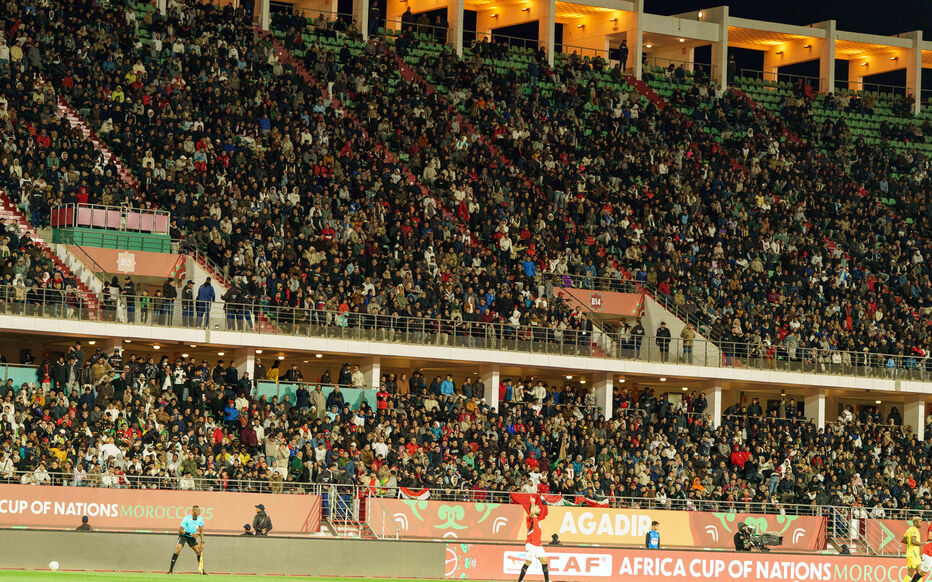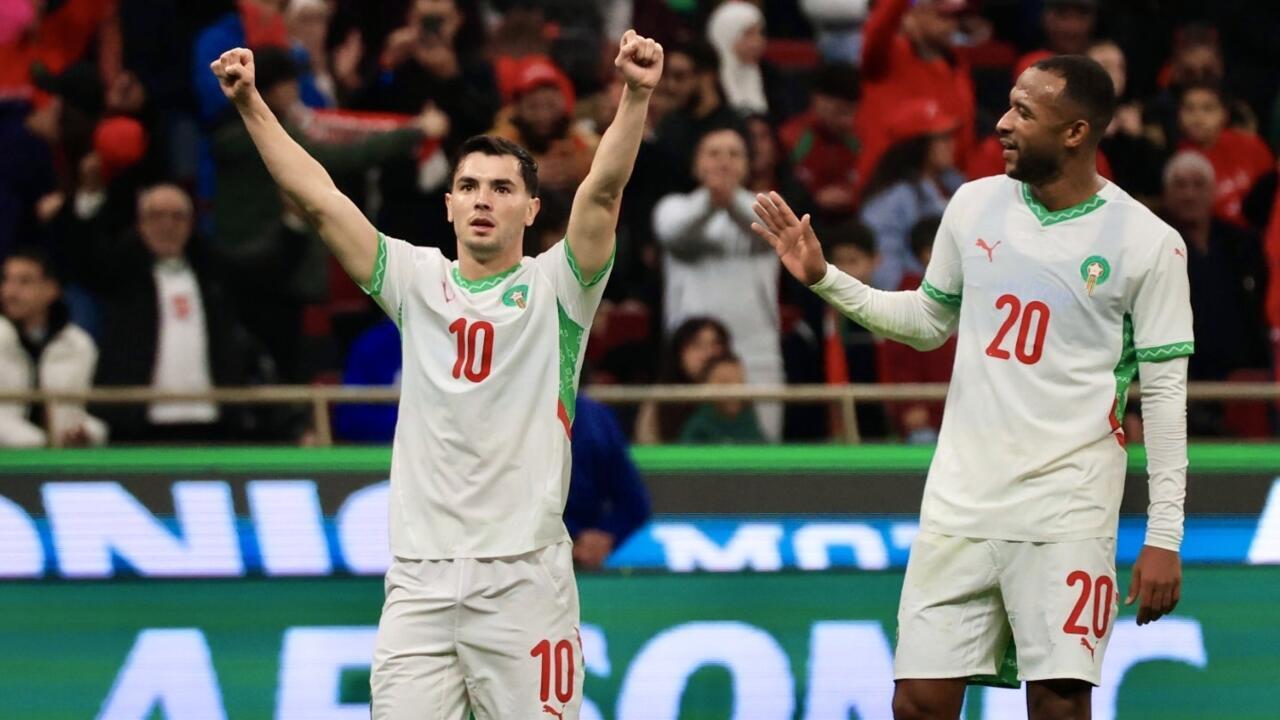
In hindsight, Morocco's victory against Zambia appears less as a successful match than as a turning point. After a group stage marked by caution and pressure related to being the host nation, the Atlas Lions sent a clear signal: the time for observation is over, the time for mastery has begun.
In terms of gameplay, Morocco demonstrated a new ability to accelerate without becoming disorganized. Ball circulation became smoother, transitions sharper, and the occupation of the opponent's area more consistent. This evolution has freed offensive players who were previously restrained while maintaining a defensive balance that rarely faltered.
However, the most visible impact is elsewhere. This victory has changed how Morocco is viewed by its opponents. Previously seen as solid but vulnerable, Morocco is now regarded as a team capable of dictating its pace and finishing a match without delay. In a knockout tournament, this shift in perception carries significant weight.
The mental aspect is equally crucial. By finishing at the top of their group, Morocco has defused some of the public and media pressure. The players now seem to perform with greater serenity, aware that the momentum is finally on their side. The gradual return of key players and the emergence of offensive leaders enhance this sense of regained control.
The next step is to transform this symbolic advantage into sustained performance. The CAN is a tournament that does not forgive weak moments, and each round reshuffles the stakes. But one thing is certain: since that match, Morocco no longer endures its status; it embraces it.