The Africa Cup of Nations 2025 is approaching, and Morocco is preparing to host one of the most awaited editions in the history of African football. Scheduled from December 21, 2025, to January 18, 2026, this 35th edition will bring together twenty-four nations, confirming the expanded format adopted since 2019. The choice of a new schedule during the winter season marks a strategic shift by the African Football Confederation to avoid conflicts with European and international competitions while ensuring optimal exposure for the tournament.
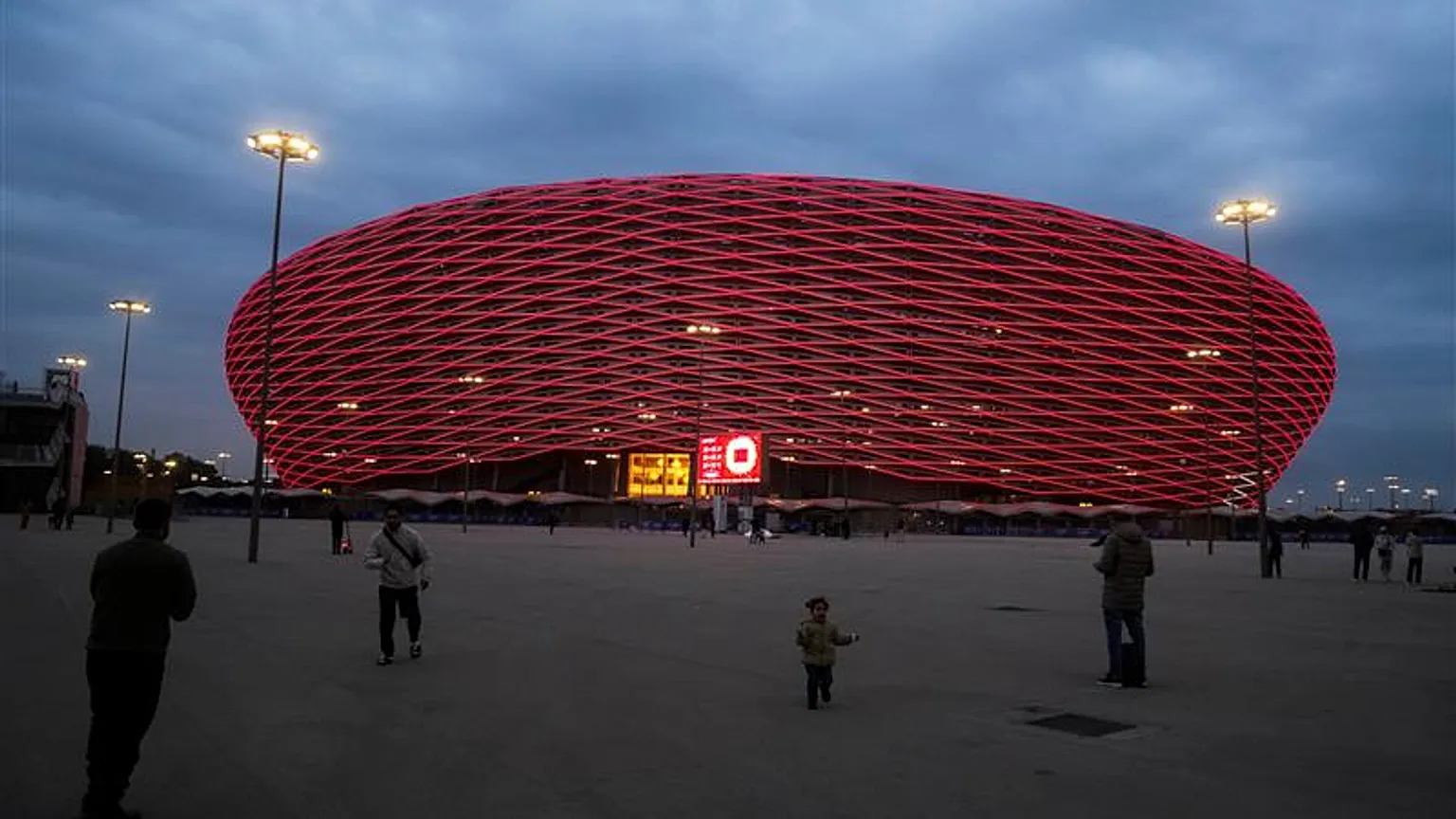
As the host country, Morocco aims to turn this AFCON into a continental showcase. Having hosted several international events in recent years, the Kingdom highlights the modernization of its infrastructure and the logistical capacity of its major cities. Rabat will host the opening match and the final at the Prince Moulay Abdellah Stadium, while Casablanca, Tangier, Marrakech, Agadir, and Fez will host the remaining matches in renovated or newly upgraded stadiums to international standards. For the country, this competition represents a major visibility issue, especially with regard to the 2030 World Cup co-hosted with Spain and Portugal.
Sportingly, the focus will be particularly on Morocco, who will play at home under the pressure of a crowd expecting a performance worthy of the current generation. Group A, featuring Morocco, Mali, Zambia, and Comoros, promises to be competitive and may already deliver surprises. Meanwhile, traditional favorites like Senegal, Egypt, Ivory Coast, and Nigeria will try to confirm their status, while several outsiders, including Cape Verde, Guinea, and South Africa, hope to capitalize on the 24-nation format to achieve an upset.
This edition will be special in many ways. The modified schedule will impact the players' physical condition, as they will arrive after an intense first half of the club season. The expected tourist influx during the holiday season will also pose an organizational challenge for the host cities, already mobilized to provide logistics worthy of a continental event of this scale. However, Morocco appears determined to make this a landmark edition, both on the sporting and diplomatic fronts, capitalizing on its modern infrastructure, experience, and widely praised hospitality strategy.
AFCON 2025 could mark a turning point in the history of African football. While expectations are high, the conditions seem right to deliver a spectacular competition characterized by a high level of play, an exceptional atmosphere, and an organization designed to shine on both the continental and international stage. With just one year until kickoff, enthusiasm is already building, and all eyes will be on the Kingdom as this promising edition unfolds.