A first half under control, yet ineffective
In a stadium supporting them wholeheartedly, Morocco quickly set the pace. With dominant possession, high pressing, and fluid ball movement, the match unfolded as expected, but without immediate success. Comoros, compact in their defense, created a disciplined block, reducing spaces and forcing the Lions to go through multiple build-up phases.
Despite several promising situations and constant pressure, the score remained unchanged until halftime. Morocco dominated but failed to convert their chances, leaving a sense of frustration at the break.
The breakthrough after the break
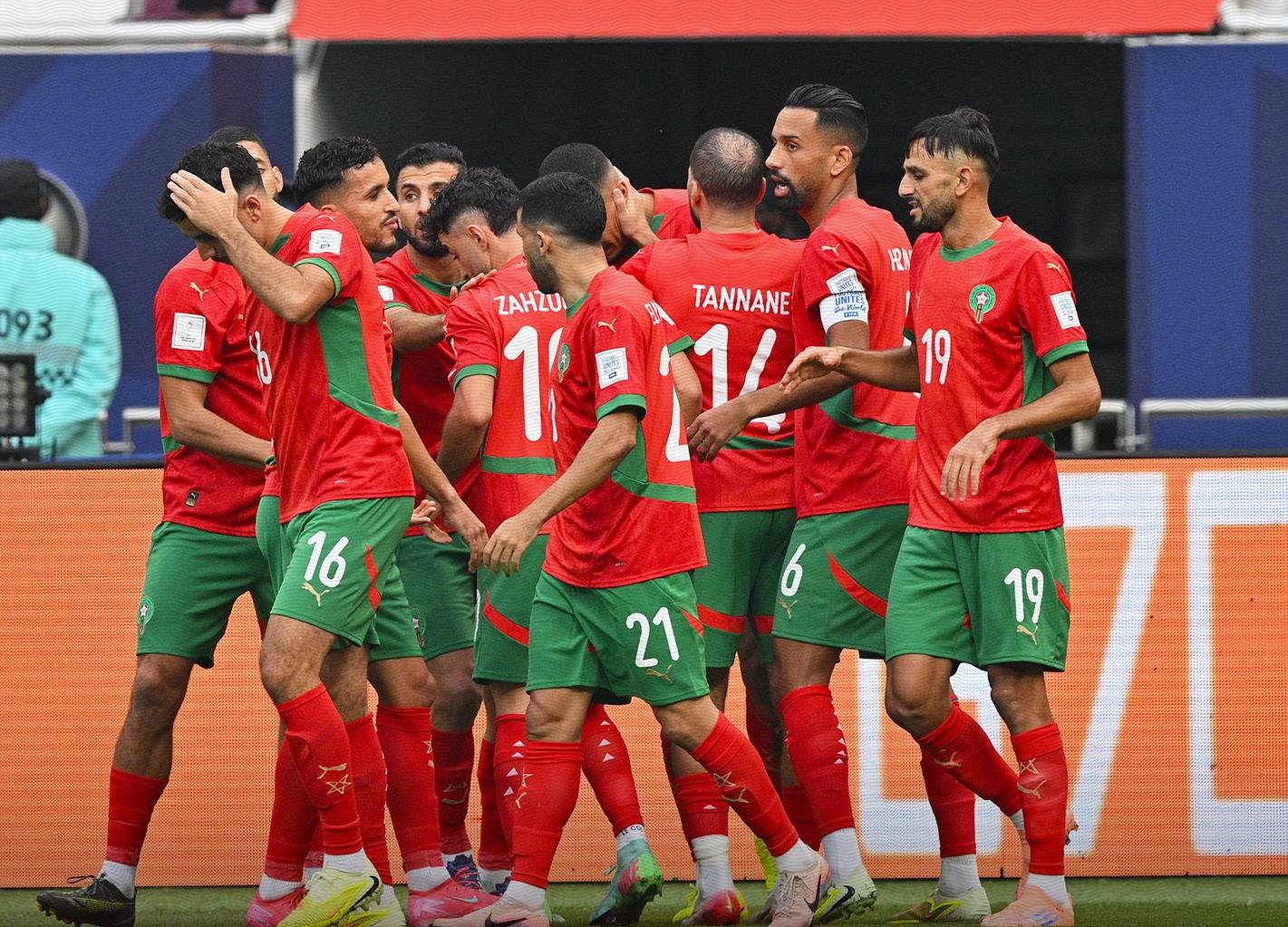
Upon returning from halftime, the rhythm intensified. More incisive in transitions and sharper in the final third, Morocco eventually found the breakthrough. The first goal liberated the team and eased the Comorian defensive grip, which had been strong until then.
This first goal marked a clear turning point in the match. The Atlas Lions then took total control of the game, dictating the tempo and increasing their incursions into the opposing camp.
El Kaabi, the moment that turned the match
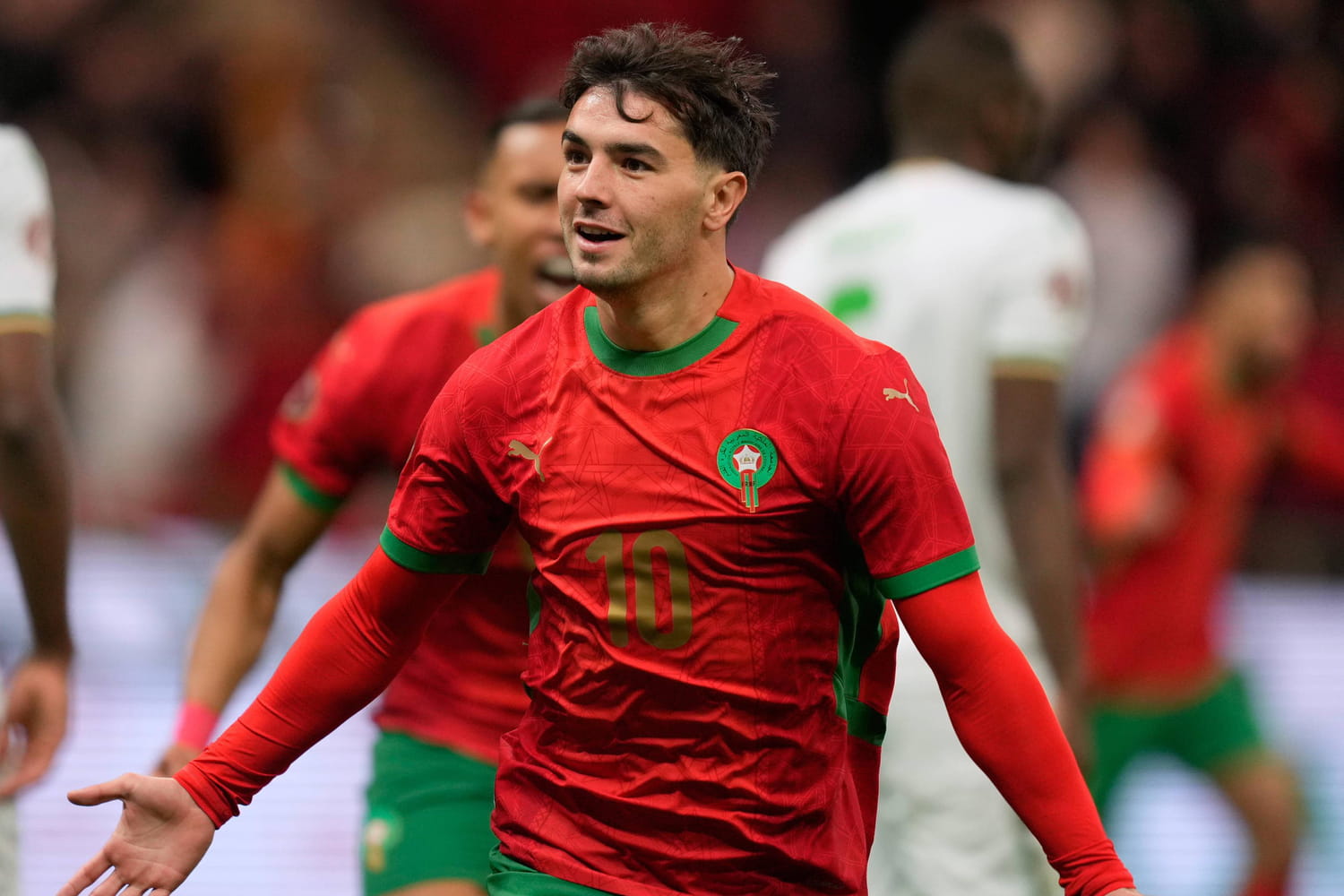
The highlight of the match came with Morocco's second goal. After a well-constructed offensive move, Ayoub El Kaabi scored in spectacular fashion with a bicycle kick, triggering an explosion of joy in the stands. A classy gesture, symbolizing a Morocco confident in its strength and liberated by the lead.
This second goal definitively sealed the match's outcome, ending Comoros' hopes and confirming Morocco's superiority.
A foundational victory for what lies ahead
Beyond the scoreline, this victory holds particular importance. For a host nation, a successful opening is often crucial for the tournament's momentum. Morocco delivered, showcasing collective solidity, tactical mastery, and reassuring offensive depth.
There remain adjustments to make, particularly in offensive efficiency, but this first success lays the groundwork for an ambitious journey. The Atlas Lions now move forward with confidence, aware of the expectations but also of their ability to meet them.