A conquering Morocco right from the start
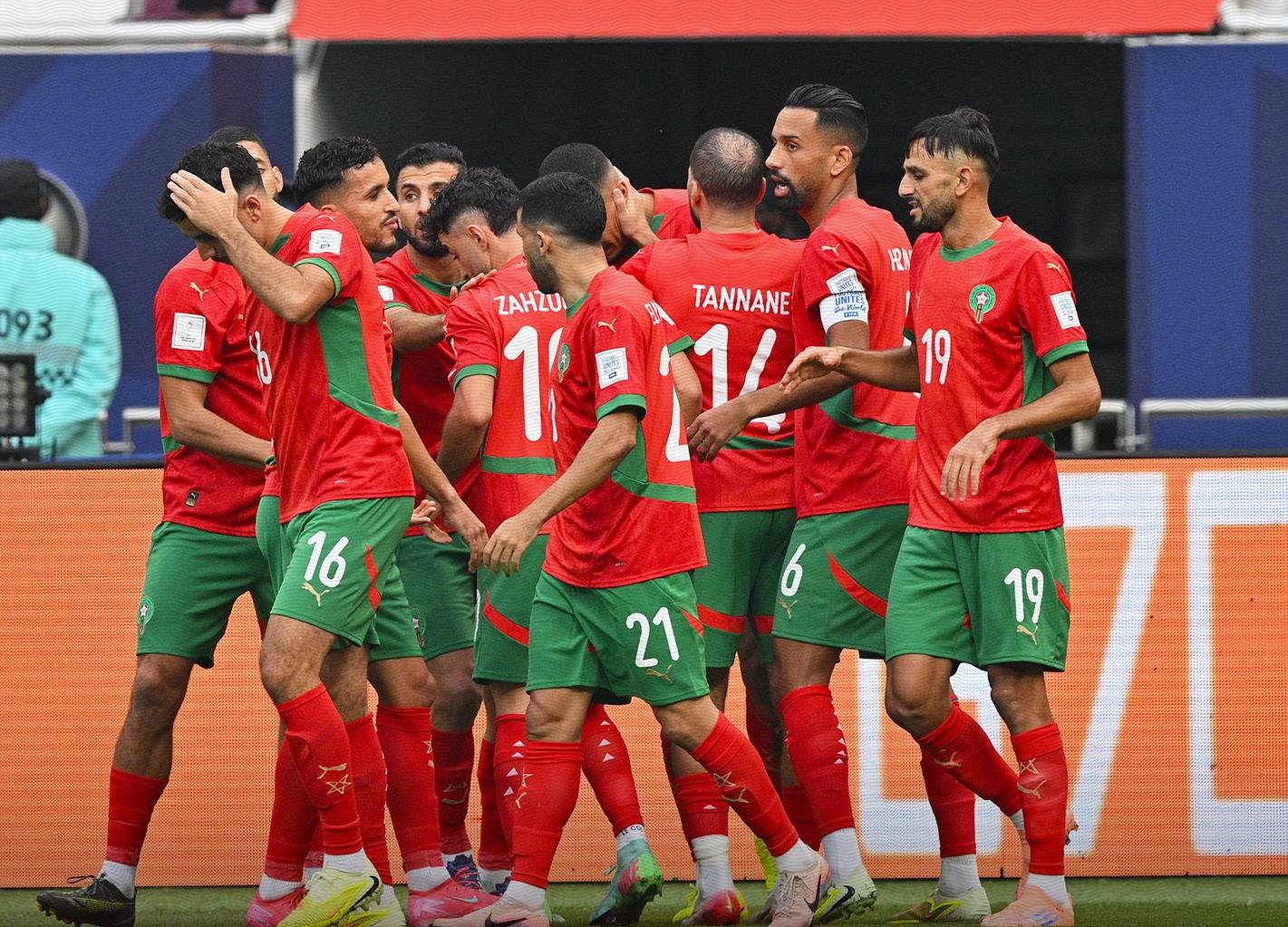
Morocco kicked off its Arab Cup 2025 campaign by immediately imposing its rhythm against Comoros. From the early minutes, the Lions took control of possession, applied high pressing, and stifled the opponent’s attacks. This strong momentum quickly opened opportunities, allowing the Moroccans to take the lead before Comoros could find their balance. The team displayed a dominant first half, marked by three goals that early sealed the fate of the match.
Moroccan scorers on target
Morocco's success was built on the efficiency of three players who effectively exploited the spaces created by the team. Soufiane Bouftini opened the scoring after a quick and well-orchestrated move, confirming the technical superiority of the Lions. Tarik Tissoudali then scored the second goal with a precise finish that left the Comorian goalkeeper with no reaction. Finally, Karim El Barkaoui added the third goal, validating the Moroccan dominance and the intensity displayed in the first half. These three goals reflect the variety of offensive options available to the national team.
Comoros saves face but remains outmatched
The second half showed a more balanced aspect, primarily due to a slight easing of focus from Morocco after gaining a comfortable lead. Comoros took advantage of this to reduce the score and salvage some pride, without questioning the superiority of the Lions. Despite their fighting spirit, the gap in level remained clear, both technically and physically. Their resurgence showed character, but it came too late to significantly influence the match.
A tactical analysis: control, mobility, and offensive variety
While the victory is clear, it primarily reveals a well-organized Moroccan team. The first half was a model of management, with fast ball circulation, intelligent space occupation, and a variety of attacks that consistently pressured Comoros. The offensive transitions were smooth, and the runs often outpaced the opposing defense. In the second half, management was more cautious, allowing Comoros to express themselves more, but without challenging Morocco’s overall superiority. This differentiated approach between the two halves provides useful insights for the coaching staff for the rest of the tournament.
What this victory means for the remainder of the tournament
This successful start sends a clear message to other teams: Morocco approaches this Arab Cup with ambition and seriousness. The team, largely composed of local players, demonstrated its ability to deliver coherent, dynamic, and effective football. The remainder of the tournament will depend on their ability to maintain this intensity while reducing lapses in concentration noted after the break. However, one thing is already certain: with this well-managed 3-1 victory, Morocco asserts its status as a favorite and takes an ideal start in the competition.