The Atlas Lions approach the road to 2026 in a position Morocco has never experienced before: as a national team established at the pinnacle of African football and respected on the global stage. Two years after reaching the World Cup semifinals in Qatar, the national team has turned that achievement into a sustainable momentum, continuously producing positive results and solidifying its status as a reference for the continent.
The first break is statistical. In October 2025, Morocco equaled and then surpassed the world record for consecutive victories for national teams, previously held by Germany and Spain. The streak first reached 15 consecutive wins following a 1–0 victory against Bahrain, and then extended to 16 matches with only victories recorded. This consistency, which is quite rare at the international level, reflects both the quality of the squad, the stability of the coaching staff, and the team's ability to approach each challenge with the same level of expectation.
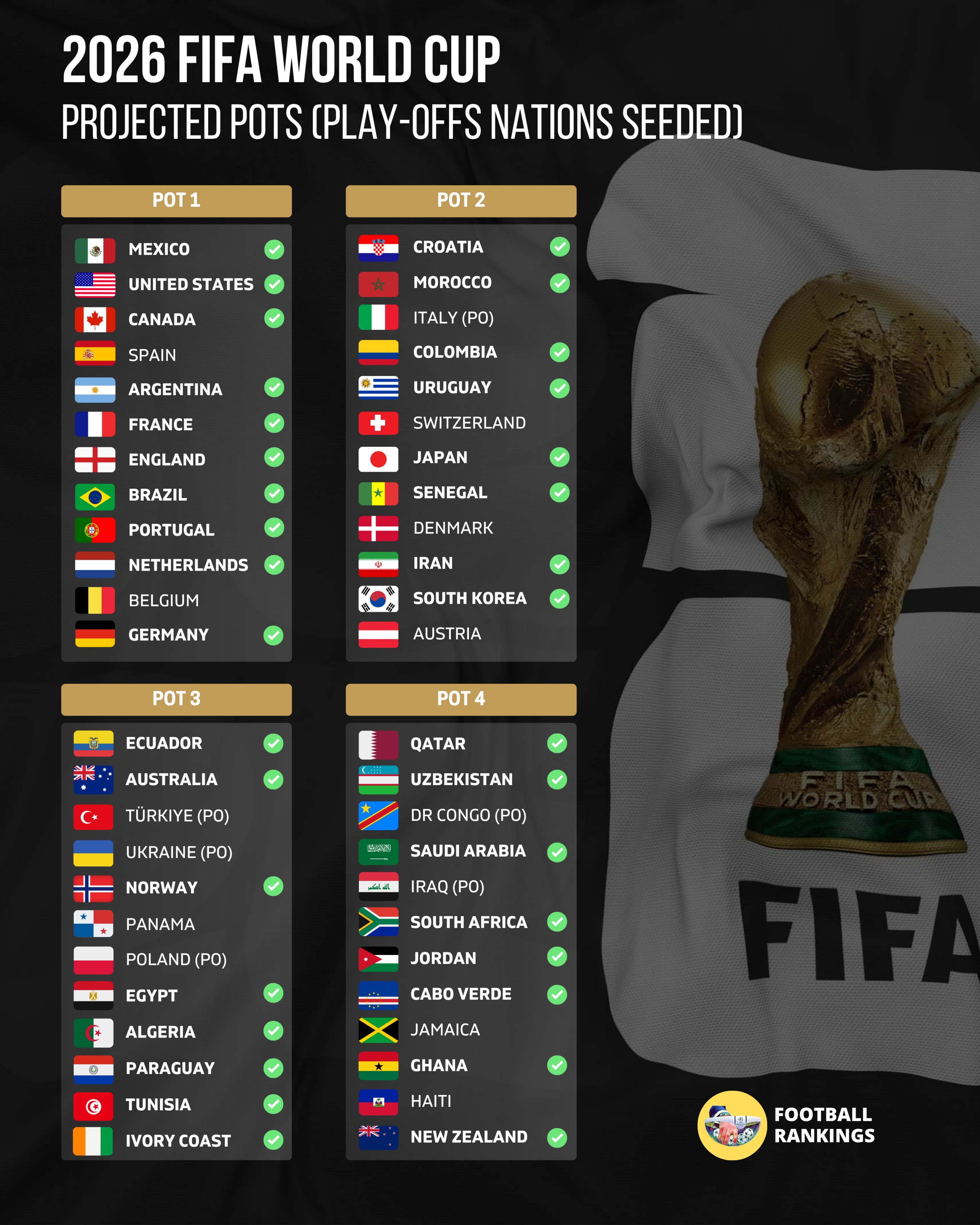
In competitive terms, the statistics are equally telling. In the African qualifiers for the 2026 World Cup, Morocco achieved an almost perfect run, winning all matches and securing first place in their group with two matchdays remaining. A decisive 5–0 victory over Niger in Rabat confirmed their qualification, making the Lions the first African team officially qualified for the North American World Cup. Earlier, a 2–0 victory against Tanzania had already strongly secured their trajectory, demonstrating the team's dominance offensively and defensively in their group.
This cycle of success isn't limited to the senior team. The depth of Moroccan talent is also reflected in the performances of youth teams and local players. The national team of players competing in domestic leagues was crowned African champion of the CHAN after a spectacular final win of 3–2 against Madagascar. The B team secured an impressive 6–0 win in a friendly against Djibouti, while the team participating in the 2025 Arab Cup started the tournament with a controlled 3–1 victory against Comoros. Meanwhile, the U20 and U23 teams are accumulating titles and podium finishes, contributing to an unprecedented generational continuity.
These results provide a solid foundation but also impose very high expectations. The Atlas Lions' coaching staff now faces a dual challenge: maintaining the core that has proven itself since 2022, while integrating a new generation of players trained in local academies or emerging from the diaspora. Profiles like Bilal El Khannouss, Abde Ezzalzouli, and other young talents are gradually challenging the hierarchy, while established figures like Achraf Hakimi, Sofyan Amrabat, and Hakim Ziyech remain technical and psychological anchors for the group.
The coach's message is clear: the stated goal is to qualify as quickly as possible for major competitions to allow precious preparation time, and then approach the 2026 World Cup not as an unexpected outsider, but as a team expected to confirm its status. Managing competition for certain positions, maintaining all players' focus despite the density of club schedules, and preventing injuries to key players are among the top priorities.
Tactically, Morocco is seeking to expand its repertoire. While the compact, disciplined block that performed well in Qatar has been its strength, the team must now take on more possession against opponents who respect and sit back against them. Recent friendly matches and qualifiers show a team gradually trying to vary its buildup play, involve more of its creative midfielders, and multiply solutions between the lines, all while preserving the defensive identity that has made it renowned.
As the African Cup of Nations approaches, to be held at home, and with the 2026 World Cup looming where they will be scrutinized like never before, the margin for error for the Atlas Lions is slim. However, the indicators remain positive for now: early qualification, a record of victories, continental recognition with repeated nominations for CAF awards, and a sufficiently broad talent base to envision the future with ambition. The real question is no longer whether Morocco can compete at the highest level, but whether it can maintain that position sustainably.