A final that goes down in history… differently
The CAN 2025 final will remain one of the most controversial in the history of African football. Initially won on the field by Senegal after extra time, the match later shifted into a legal and regulatory dimension weeks later.
CAF's decision was ultimately final. Morocco is officially declared the winner by forfeit, with a score of 3-0, after it was determined that Senegal violated fundamental game rules.
The breaking point: an unacceptable withdrawal from the field
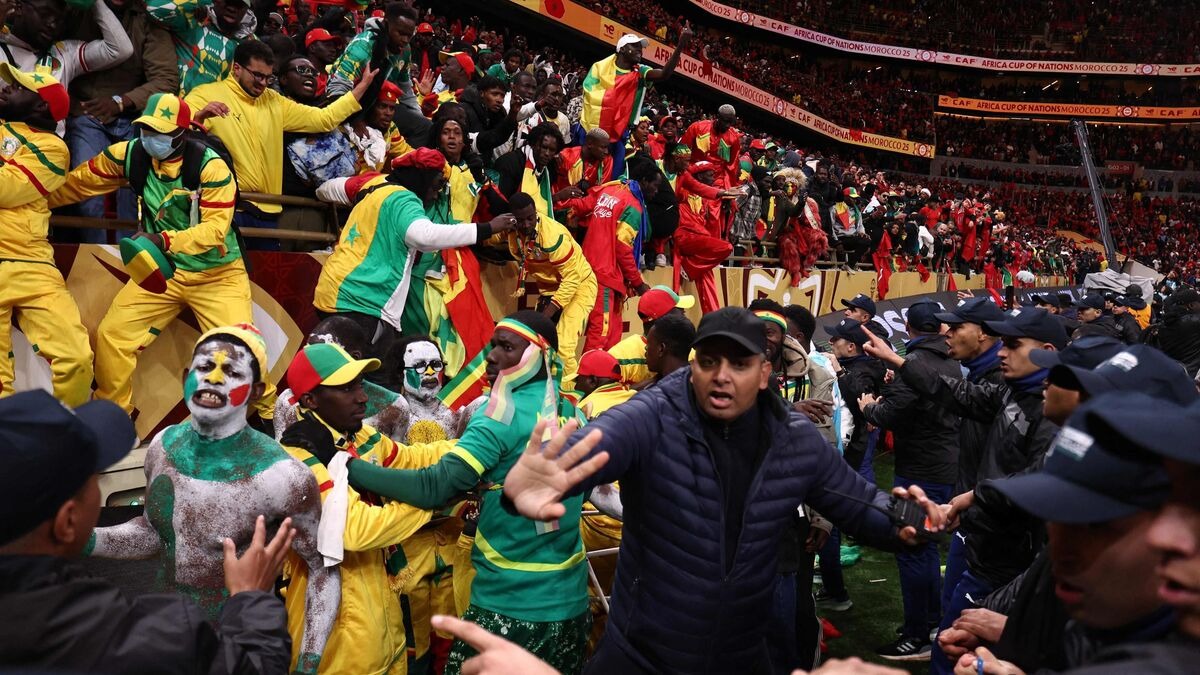
At the heart of this matter is an episode that no one has forgotten. In the middle of the match, the Senegalese players left the field to protest a referee's decision regarding a penalty in favor of Morocco. This withdrawal, even if temporary, constitutes a clear violation of the competition regulations.
The rules are explicit. Any team leaving the field without authorization risks a forfeit loss. It is on this basis that CAF made its decision, strictly applying the relevant disciplinary articles.
What some tried to present as a simple emotional reaction now appears, in light of the reports, as a major regulatory offense.
Reports that confirm a completely unbalanced context
Various reports published regarding this final provide decisive insights today. They describe a match under extreme tension, marked by interruptions, repeated protests, and constant pressure on the officials.
This context is far from trivial. It partly explains the decisions taken during the match, but more importantly, it confirms that the match's progression was disrupted in a manner incompatible with the standards of a continental final.
In this context, Morocco's position appears stronger than ever. It was not about disputing the game, but about enforcing the rules.
Morocco, a victim yesterday… reinstated today
For several weeks, Morocco was seen as the loser of this final. However, the now-public evidence shows a different reality. The Kingdom faced an exceptional situation, where compliance with the regulations was not guaranteed in real-time.
Thus, CAF's decision does not simply grant an “administrative” title, as some claim, but restores a form of sporting equity. Football cannot exist without rules, and even less without their strict enforcement in crucial moments.
This victory thus represents much more than just a win. It symbolizes the recognition of a grievance.
Senegal strikes back, heading to CAS
In response to this decision, Senegal's reaction was swift. The federation announced an appeal to the Court of Arbitration for Sport, insisting that the result achieved on the field should take precedence.
The case is now in the hands of international sports justice. But regardless of the outcome of this procedure, one point is already established: the CAN 2025 final can no longer be analyzed solely from the perspective of the final score.
A matter that transcends African football
Beyond Morocco and Senegal, this issue raises a fundamental question for African football: that of respect for the rules in the face of situational pressures.
CAF has made a strong choice. It has prioritized the regulatory framework, even at the cost of an unpopular decision. In a context where accusations and tensions quickly took over social media, this position stands out as a clear signal.
African football may be entering a new era, where regulations are no longer negotiable.
Conclusion: a victory that sparks debate, but makes sense
Yes, this CAN 2025 will remain controversial. Yes, it will continue to fuel discussions, particularly with the ongoing appeal before CAS.
But one thing is now certain: Morocco did not steal its title. It earned it by adhering to what underpins high-level sport — respect for the rules.
And in a competition where everything can change in a matter of seconds, this is sometimes the true victory.