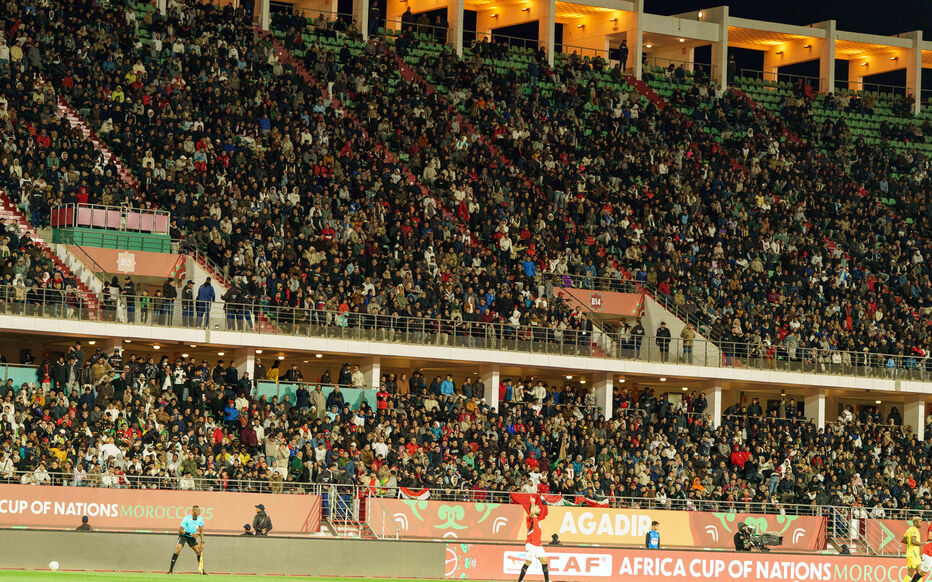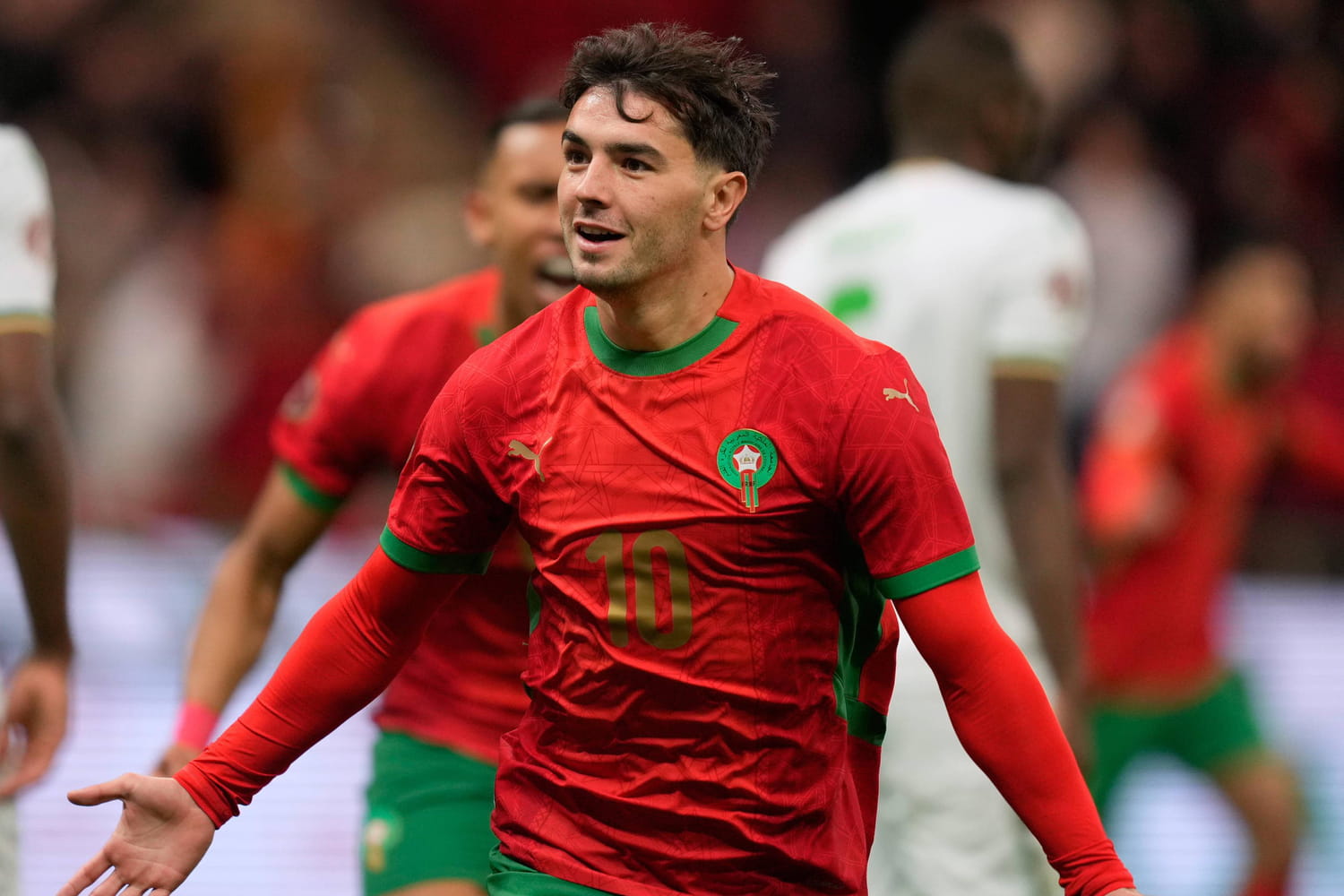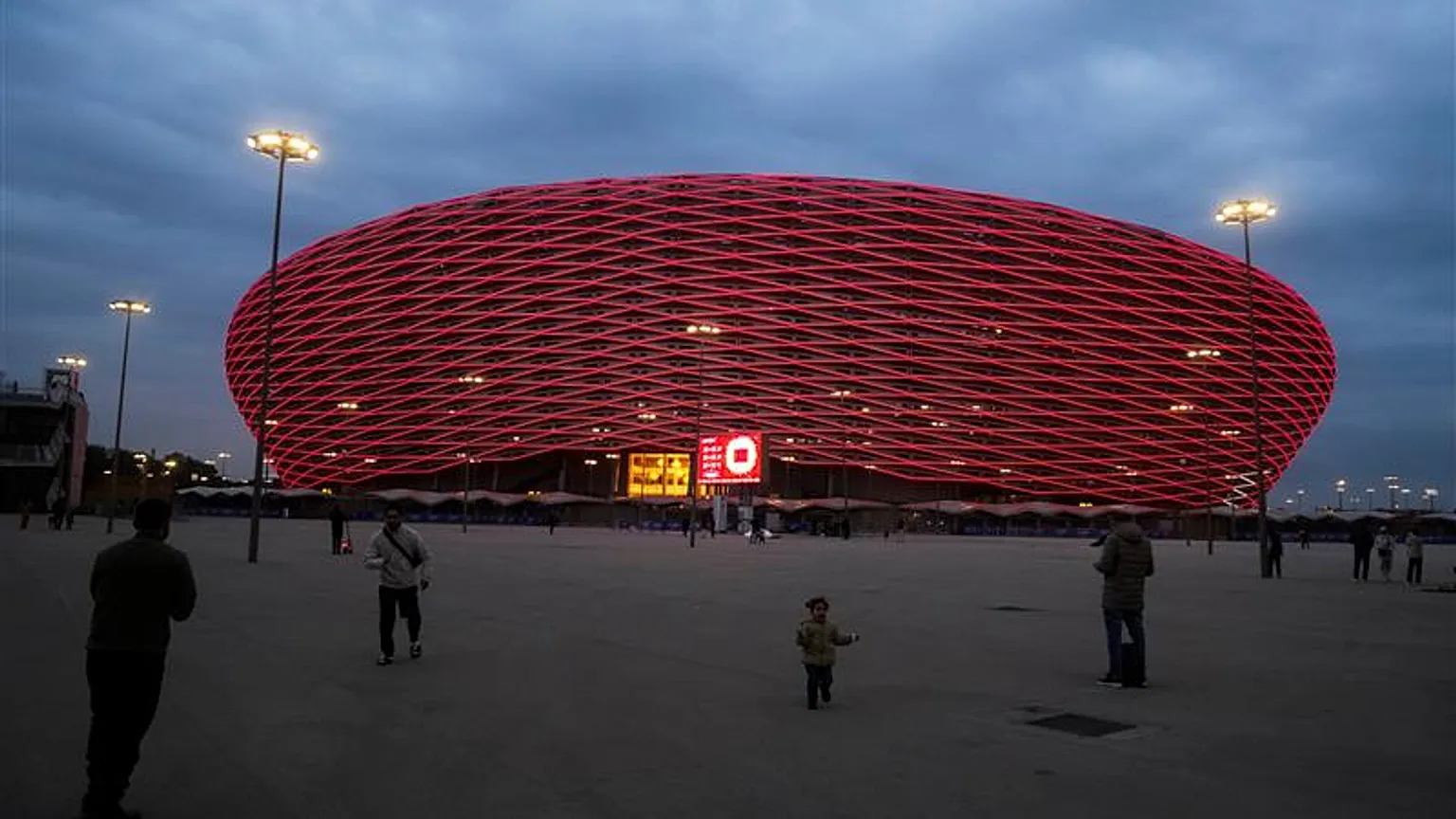
The stage is set. From December 21, 2025, to January 18, 2026, CAN takes place in Morocco for what has already been announced as a historic edition: six cities, nine stadiums, over 800,000 tickets sold before the opening match, sold-out matches for the host nation and several big teams. Both bookmakers and published power rankings reveal a core group: Morocco, Algeria, Senegal, Egypt, Nigeria, and Ivory Coast. The lingering question is less statistical: who truly embraces this favorite status, and who is merely subjected to it?
Morocco, an assumed favorite... or overexposed?
As the host of the competition, and buoyed by a World Cup semi-final and a generation at the pinnacle of continental football, Morocco ticks all the boxes of a natural favorite. It dominates most prediction models, has the home advantage, a massive fan base, and an unmatched infrastructure in Africa. Its qualification phase, expertly managed from start to finish, reinforced the idea of a team that arrives confident in its strengths and enriched by an expanded talent pool.
However, it is precisely this 'obvious' favorite status that opens another more invisible front. In Group A, the Atlas Lions will face Mali, Zambia, and Comoros—three teams with nothing to lose and everything to gain by upsetting the host nation. Any misstep will be interpreted as a national scandal, with any system changes viewed as a micro-referendum on the coach. Morocco has not won the CAN since 1976 and has often struggled under pressure when the trophy seemed 'within reach.' To embrace their favorite status for this generation involves both football and emotional management.
Senegal and Algeria, favorites seeking redemption
Senegal enters the tournament with the paradoxical label of a favorite seeking redemption. African champions in 2021, they exited prematurely in the 2023 edition in Ivory Coast, arriving in Morocco with a still-strong squad, an experienced spine, and a declared desire to prove that the first star was not a happy accident. Their playing style remains recognizable, as does their competitive culture, but recent dynamics have been less spectacular. Pressure lies on the team's ability to reinvent offensively and not rely solely on a few key players.
Algeria, meanwhile, still carries the shadow of a first-round exit in 2023 after entering the previous tournament as defending champions. On paper, individual quality remains, as does squad depth. But the context is heavier: an open rivalry with Morocco, political tensions spilling into football, and exaggerated expectations concerning a 'sporting redemption.' For the Greens, embracing the favorite status means isolating the field from everything else, stabilizing a group often shaken by controversies around player selections and inconsistent results.
Egypt and Nigeria, historic giants with dual faces
Egypt remains, by virtue of its record, the benchmark of the CAN. With seven titles and a unique competitive culture, they possess a capacity for managing tight matches that few teams can match. With Mohamed Salah still in the spotlight, the Pharaohs arrive in Morocco with an almost automatic respect. Yet, their favorite status is more fragile than it seems. The quality of play, difficulties in renewing some lines, and dependence on a few key players raise doubts. Egypt has often compensated for these frailties with extreme pragmatism. The question is whether this pragmatism will suffice in a tournament where several teams have reached tactical and physical levels close to European standards.
Nigeria lives in a near-permanent paradox. On paper, their attacking pool is one of the continent's most impressive: well-performing forwards in major leagues, varied profiles, and squad depth. However, the team regularly suffers from inconsistency, controversial tactical choices, and struggles to translate this potential into clear dominance on the continental stage. The Super Eagles arrive in Morocco labeled as favorites 'by talent,' rather than by collective coherence. Embracing this status means resolving, in just a few weeks, structural problems that previous campaigns have not addressed.
Ivory Coast, reigning champions under scrutiny
As the defending champion, Ivory Coast cannot escape the label of serious contender. They showed in 2023 their capacity to overturn improbable scenarios and capitalize on their offensive strength. However, a sometimes shaky defense, a midfield in reconstruction, and an unfinished generational transition make their favorite status more nuanced. The Elephants are no longer the 'team to beat' by definition, but they remain a significant obstacle in any final bracket. Their ability to embrace this role will depend on the freshness of certain veterans and the emergence of clear leadership in the locker room.
Outsiders who dislike the term
Grouped around this explicit circle of favorites are several teams that refuse the label of 'sympathetic outsider.' Mali, placed directly in Morocco's group, has showcased a strong generation capable of matching intensity with anyone. Tunisia, often underestimated, remains a strong contender in group stages and can disrupt favorites with their experience in tightly contested matches. Cameroon, despite internal turbulence, retains a strong CAN tradition and the ability to rise in big matches. Meanwhile, the DR Congo advances hidden but possesses considerable offensive arguments and high potential for surprises in a short tournament format.
For these teams, embracing or not embracing favorite status does not pose the same questions. They know that the spotlight, press conferences, and projections focus on Morocco, Senegal, Algeria, or Egypt. They build their discourse on a different register: that of the 'trap group,' the outsider who takes advantage of any doubt from the giant, the team that has nothing to lose. It is often in this disconnect between apparent absence of pressure and maximum internal demands that great surprises arise.
A hierarchy disrupted by schedule and politics
This sporting analysis is further complicated by two factors: the schedule and politics. FIFA's decision to delay player availability reduces teams' preparation time to just a few days with their full squads. Teams heavily reliant on players in major European leagues find themselves at a mechanical disadvantage. Conversely, those who count more on players from local or regional leagues can expect better continuity in their preparation.
At the same time, CAN 2025 becomes the stage for rivalries that extend far beyond the pitch, starting with the tense relationship between Morocco and Algeria. Calls for boycotts, debates on the politicization of sports, and media frenzies add a layer of symbolic pressure to potential confrontations between the two national teams. For players and staff alike, embracing the favorite status also means not getting overwhelmed by these parallel narratives.
Embracing favorite status: a matter of narrative as much as football
Ultimately, what distinguishes true favorites from designated ‘favorites’ is not just the quality of their squad or the heights of their odds with bookmakers. It is their ability to master the narrative surrounding them. Morocco must demonstrate it can win at home without being crushed by expectations. Senegal needs to prove that its first star wasn't just an isolated peak. Algeria must step away from the 'all or nothing' mindset that has held it back recently. Egypt must show it is more than just a record. Nigeria needs to turn a pool of talent into a cohesive team. Ivory Coast must embrace being the defending champion without hiding behind past achievements.
With just days to go before kickoff, none of these teams have fully answered these questions. The official lists have been published, along with the aspirant’s rhetoric. CAN 2025 will sift through not only those who know how to win matches but also those who are able to live with the label stuck to their foreheads: 'you are the favorites.' In Rabat, Casablanca, Tangier, Marrakech, Fez, or Agadir, it may well be there that the true difference will be made.