The first notable marker of change is the schedule. AFCON 2025 takes place from December 21, 2025, to January 18, 2026, in a time slot never seen at this level: the competition overlaps with Christmas and New Year, a traditionally busy period in Europe. This uniqueness is not a scheduling whim but a direct product of the congestion in global football, particularly with the new expanded Club World Cup set for summer 2025. Therefore, this AFCON becomes a "compromise" edition, placed right in a period when European leagues do not pause, making it structurally different from previous editions.
This schedule creates an immediate consequence: AFCON 2025 exerts more pressure on European clubs than many past editions. African national teams rely heavily on players from the Premier League, La Liga, Serie A, and Ligue 1, all while these leagues are playing crucial matches and competing in domestic tournaments. This is the opposite of an "off-season" AFCON: here, the event directly overlaps with the busiest weeks of domestic calendars, intensifying the tension between clubs and national teams.
Compared to recent editions, AFCON 2025 also aligns with a climate adjustment logic. Ivory Coast hosted the "2023" edition, but it was held in January-February 2024 to avoid the most unfavorable weather conditions in summer. In other words, the AFCON schedule is no longer merely about sports: it has become a variable for climatic and economic adaptation. Morocco, with a winter more conducive to organization, allows CAF to manage a winter AFCON without the extreme weather constraints some host countries must navigate.
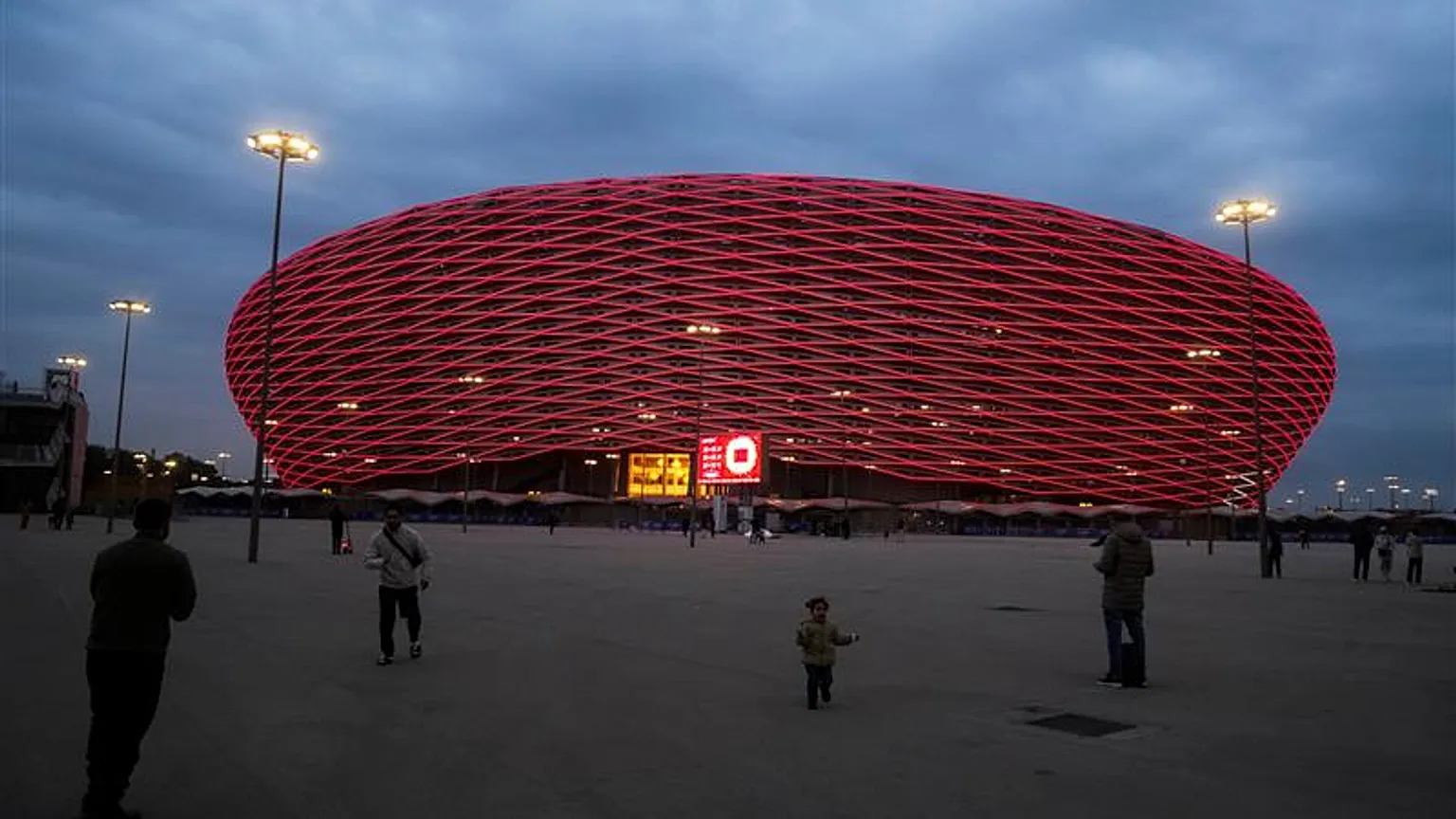
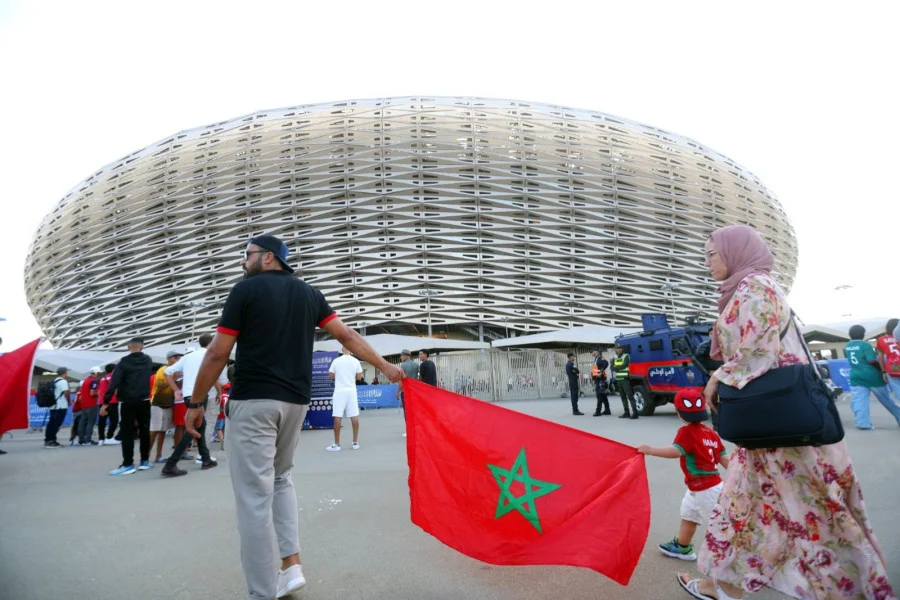
The second major difference is the scale of organization and the stadium/city layout. AFCON 2025 will utilize 9 stadiums across 6 cities, following a dual logic: large-capacity venues for high-audience matches and more compact stadiums to streamline the group stage. Tangier and Rabat will host part of the "show," while Casablanca, Marrakech, Agadir, and Fez play essential roles in the geographical distribution of the competition.
This multipolarity changes the nature of AFCON compared to some previous editions where the event could be more concentrated. It increases demands in security, transport, accommodation, flow management, and operational coordination. It also gives the tournament a more "national festival" dimension: multiple cities will experience the event simultaneously, amplifying the overall impact on the local economy and international visibility.
The third break: the political trajectory of the hosting decision. AFCON 2025 was not initially planned as a "Moroccan" tournament by CAF. Guinea lost its hosting rights due to insufficient preparation, and Morocco was designated host in September 2023. This reallocation creates an edition characterized by a controlled urgency: the host country did not enjoy the same lengthy preparation cycle as others but compensated with an ability to execute and infrastructures already in progress.
The fourth difference: Morocco is not only hosting an AFCON, it is sending a signal. The 2025 edition is part of a broader trajectory: that of a country positioning itself as a sports and event platform, alongside its preparations for the co-hosted 2030 World Cup. AFCON thus becomes a real-world test: managing stadiums, flows, international fans, media, and broadcasting requirements. It is not just a competition; it is a demonstration of capability.
The fifth difference: the media and economic environment. Today’s AFCON no longer holds the same place as yesterday’s within the global football ecosystem. It must exist within a world of fragmented attention, where TV rights are contested, social media imposes a constant tempo, and European clubs heavily influence the narrative. In 2025, AFCON serves as both a major sports appointment and a narrative battle: Africa aims to establish its event as unmissable despite a global calendar that leaves little space.
In the end, what distinguishes AFCON 2025 in Morocco from previous editions is not a mere detail, but a convergence: an unprecedented schedule, greater pressure on clubs, a broader territorial organization, a specific CAF context, and a strategic dimension linked to 2030. This edition is not just a tournament; it is an indicator of the place African football seeks to occupy in the global sports order.