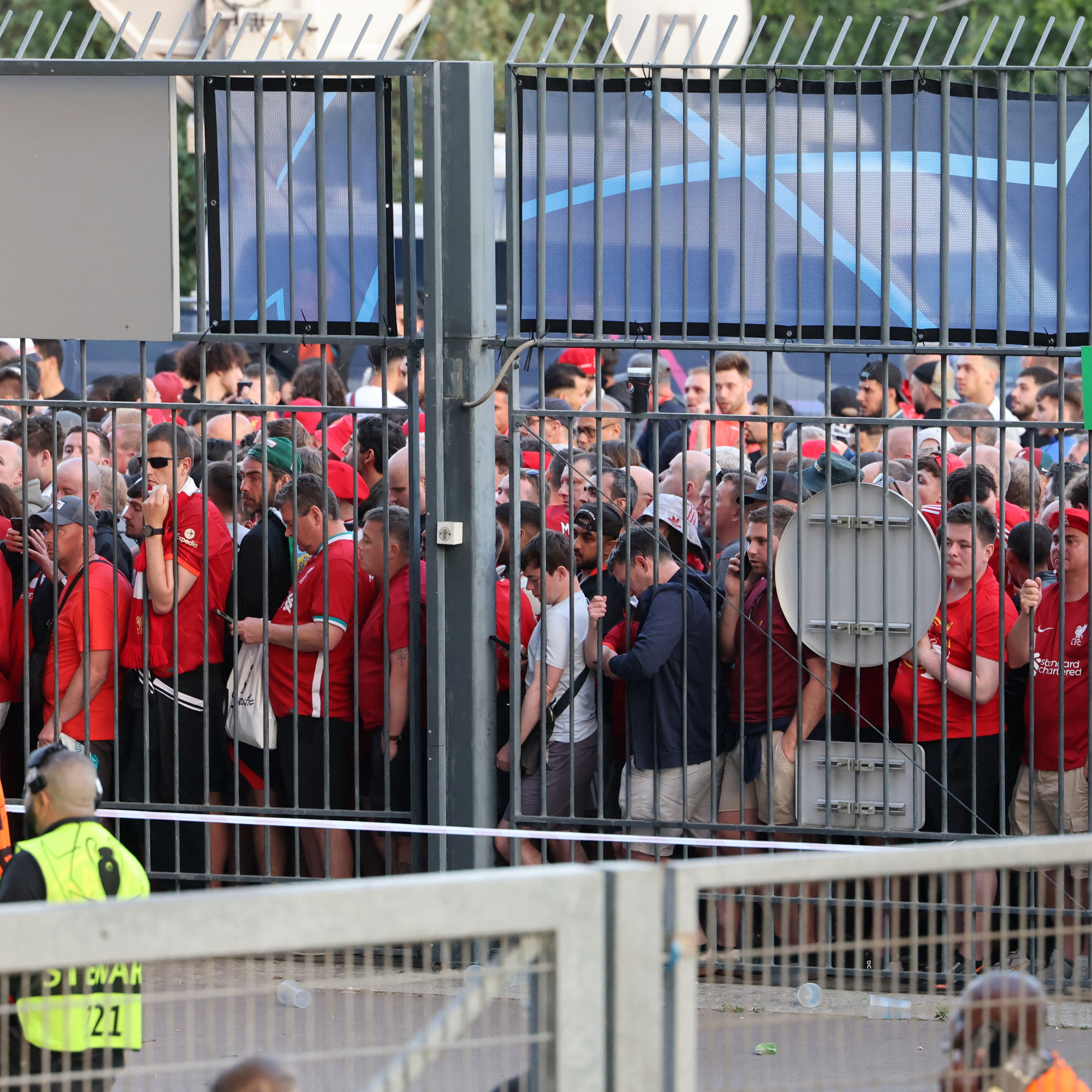
Ticketing under pressure from day one
CAN 2025 was intended to showcase organization and modernization, particularly through digital access. However, a familiar scenario quickly emerged: supporters struggle to obtain tickets through official channels, while resale offers appear online at prices detached from the announced rates. This frustration, fueled by the “big match” effect and excitement surrounding the Moroccan national team's games, has created an ideal environment for speculation.
A strong signal from authorities: arrests and ongoing investigations
In this context, security services have launched a visible response. Eight individuals have been arrested as part of an illegal ticket resale case related to CAN 2025. These actions follow surveillance of advertisements posted on social media offering tickets at significantly inflated prices.
The cases are being handled within judicial investigations overseen by the appropriate prosecutors, aiming to identify potential accomplices and establish the extent of the network beyond the identified sellers.
How the 'new generation' black market operates
The black market is no longer just a street trade. It has moved to digital channels where anonymity, transaction speed, and the virality of advertisements facilitate fraud. Three common mechanisms emerge:
First, there is 'opportunistic' resale, where a few tickets are offered at doubled or tripled prices, playing on urgency.
Next is 'structured' speculation, where resellers claim to have batches, sometimes in several cities, and organize distribution like a business.
Finally, there are pure scams, where fake visuals, false QR codes, or counterfeit purchase confirmations circulate, trapping supporters who realize too late that they have no valid access.
Why digitization alone is not enough
Digital ticketing can reduce some fraud, but it does not eliminate scarcity, which remains the main fuel for the parallel market. When official access is perceived as difficult, slow, or opaque, part of the public turns to 'alternative' solutions, even risky ones.
Limiting systems (purchase caps, nominative ticketing, enhanced controls) can hinder bulk buying, but they require a solid user experience, active monitoring against fake accounts, and clear communication through official channels.
The image issue: stadiums, access, and trust
Beyond security concerns, the issue is sensitive for the tournament’s image. Speculation creates a feeling of injustice among supporters and fuels controversies over real access to the stands. It also undermines trust in the organization, especially when stories circulate about elusive tickets, astronomical resale prices, and seats seemingly escaping the public’s reach.
What the response can change, and what still needs to be secured
The arrests send a deterrent message: illegal resale will not be tolerated, and online transactions can be traced. But medium-term effectiveness will depend on several factors: the swiftness of sanctions, dismantling supply chains, control at stadium entrances, and, most importantly, the ability to streamline official access.
In a competition that also plays out symbolically, the equation is simple: the more accessible and reliable the official offer appears, the less the black market can claim to be 'providing a service'.