For several years, but increasingly visibly since 2018, Morocco has launched a major movement to rehabilitate its historical medinas. This initiative, driven at the highest state levels, combines architectural preservation efforts with an aim to revitalize the economy. In several major cities, these programs are reaching a critical phase, with visible achievements and figures reflecting the scale of the investments made.
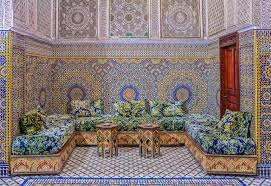
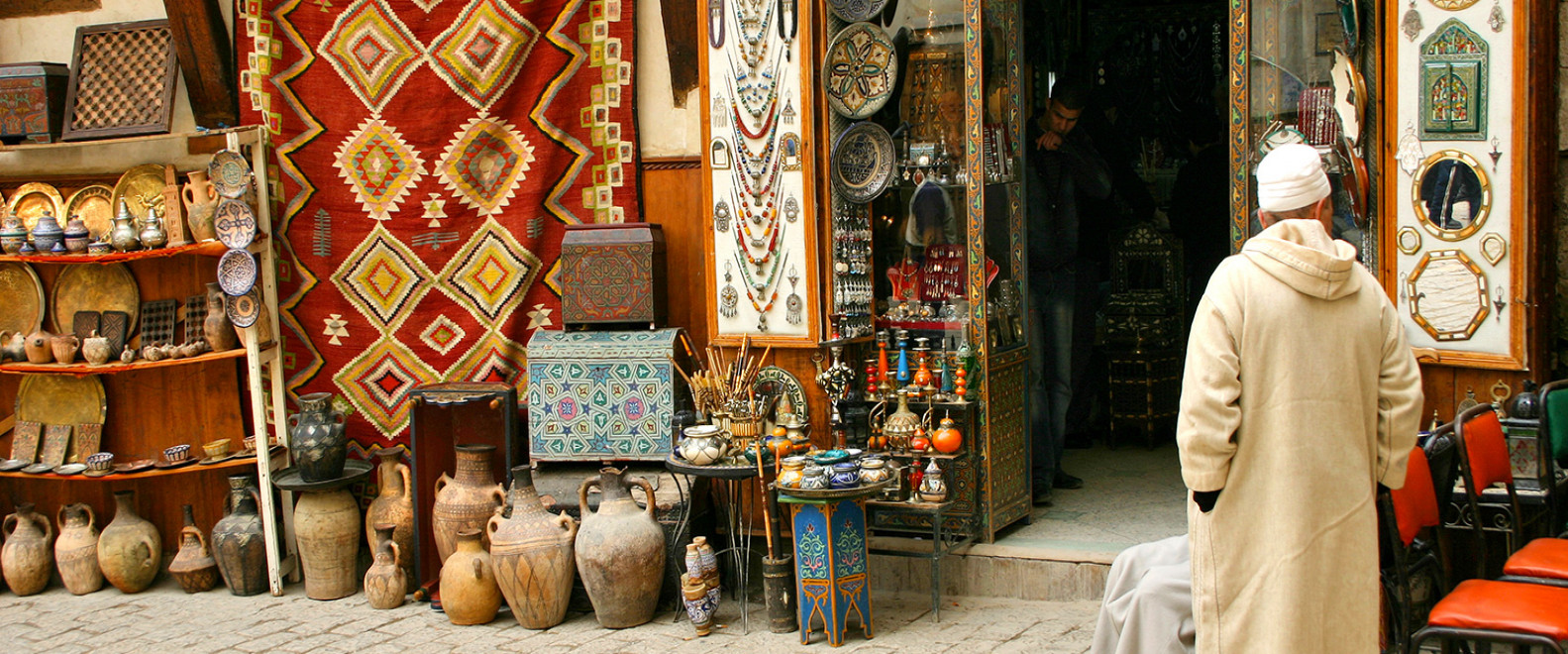
The medina of Fez, a symbol of the urban heritage of the Kingdom, exemplifies this progress. Between 2010 and 2025, various enhancement programs have mobilized a total of approximately 3 billion dirhams. Specifically, nearly 399 projects have been completed and over 4,600 buildings at risk of collapse have been addressed, directly impacting the lives of tens of thousands of residents. The interventions have focused on major historical monuments, places of worship, wellness facilities, and commercial and artisan spaces, aiming to preserve urban fabric while ensuring the safety of populations and supporting traditional crafts.
In Meknes, a specific program for the rehabilitation and enhancement of the medina is backed by a budget of 800 million dirhams. It covers 54 sites and is structured around several focuses. On one hand, it involves the restoration of iconic monuments such as the Mansour Palace, historic gates, walls, borjs, mosques, and a medersa. On the other hand, it improves accessibility with the development of parking facilities totaling around 800 spaces and creates dedicated tourist circuits. Additionally, it includes the rehabilitation of fondouks, kissariats, and fountains, as well as community facilities aimed at supporting economic activity in the medina.
Other historical medinas are also receiving comprehensive treatment. In Marrakech, a development program launched in 2018 represents an investment of around 484 million dirhams, with about fifty projects focusing on roads, public spaces, façades, monuments, and local facilities. Simultaneously, another package of investments, exceeding 2.3 billion dirhams, has been initiated for the medinas of Salé, Meknes, Tétouan, and Essaouira through rehabilitation and enhancement agreements that aim to preserve the built environment, improve living conditions, and create economic opportunities.
In Essaouira, a UNESCO World Heritage site, a complementary program for the period 2019-2023 has focused on restoring the ramparts, gates, bastions, communal facilities, and many buildings showing signs of degradation. The dual goal is to preserve the site's exceptional heritage value while enhancing its tourist and cultural appeal. In several of these cities, projects also include the rehabilitation of synagogues, zaouïas, mosques, and memorial sites, reflecting a commitment to an inclusive interpretation of Moroccan heritage.
Beyond the numbers, these programs are changing the daily reality of the medinas. The consolidation of buildings reduces the risk of collapses and secures residents. The restoration of historical monuments and public squares brings coherence to urban pathways. The development of tourist circuits and parking facilities facilitates access for visitors while attempting to mitigate pressure on the more fragile alleyways. In some cities, these interventions are accompanied by support initiatives for artisans and merchants to help them benefit from the new dynamics.
These projects are part of a broader movement to transform historical cities. In Rabat, for instance, the rehabilitation of the old fabric has been linked to a vast urban program estimated at nearly 9 billion dirhams, combining heritage enhancement, riverbank development, cultural infrastructure, and mobility. The aim is to prevent the medinas from becoming open-air museums disconnected from real life, integrating them into the overall development of urban areas.
While the challenge remains immense, particularly given the number of old buildings weakened by time, the regularity of the programs undertaken and the amounts mobilized represent a turning point. Morocco is no longer content with merely restoring a few isolated monuments; it is now treating its medinas as living entities where heritage, habitation, commerce, and tourism must find a new balance. The coming years will reveal the extent to which these investments will reconcile the preservation of the places' soul with the sustainable improvement of living conditions for those who reside there.