A vital need, not just aesthetic
In Casablanca, Rabat, or Marrakech, urban density has never been higher.
Towers are sprouting, roads are widening, but trees are disappearing.
However, nature in the city is not a luxury: itregulates heat, purifies the air and calms stress.
According to several local studies, some urban areas in Morocco record up to 10 degrees warmer than in the outskirts.
Trees, parks, and gardens thus become climate refuges as essential as roads or sidewalks.
Casablanca: between concrete and the desire to green
Casablanca, the economic capital and symbol of modernity, exemplifies this paradox.
Despite its wide boulevards and development projects, the city suffers from a glaring lack of green spaces: less than 1 m² per inhabitant, compared to the 10 to 15 m² recommended by the WHO.
But awareness is growing:
“Greenery is not decorative; it is vital,” recalls a local urban planner.
Rabat: the green capital ahead of its time
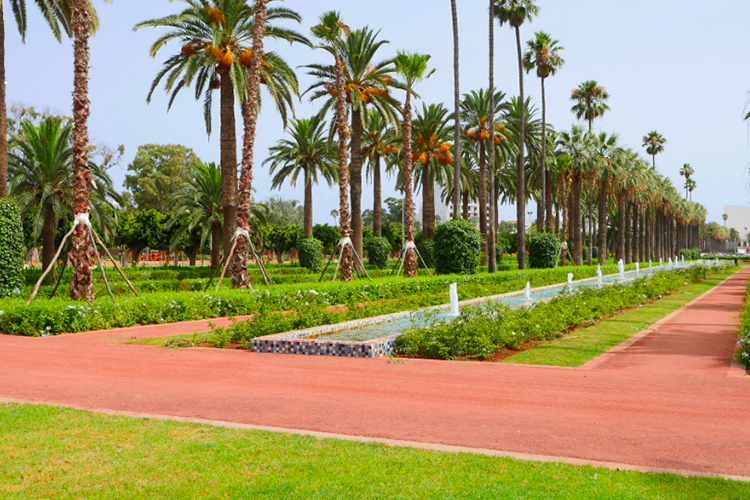
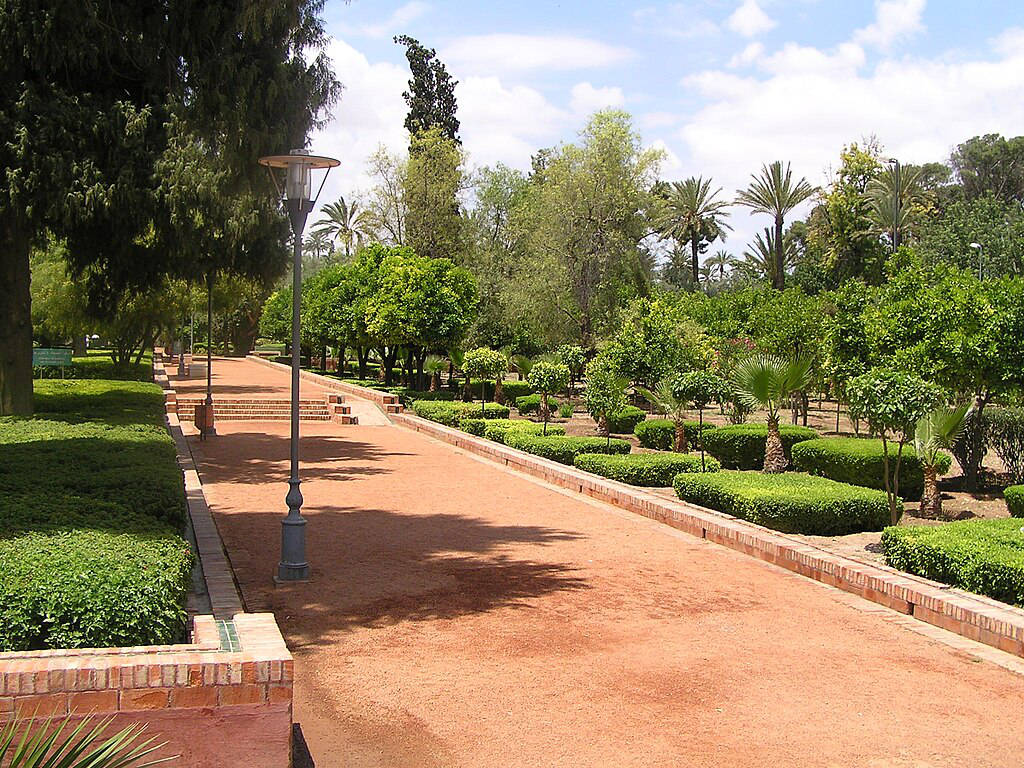
In Rabat, the “green city” policy is more advanced.
Maintaining the Bouregreg forest belt, the many parks (Agdal, Hilton, Ibn Sina), and the renovation of riverbanks make it a model of balance between urban planning and nature.
The capital focuses on soft mobility, bike lanes, and better pedestrian accessibility.
It is one of the few places in the country where nature is part of urban planning, not just an afterthought.
Marrakech: the tree as memory and refuge
Marrakech, often associated with heat and tourism, is also leading its “green battle.”
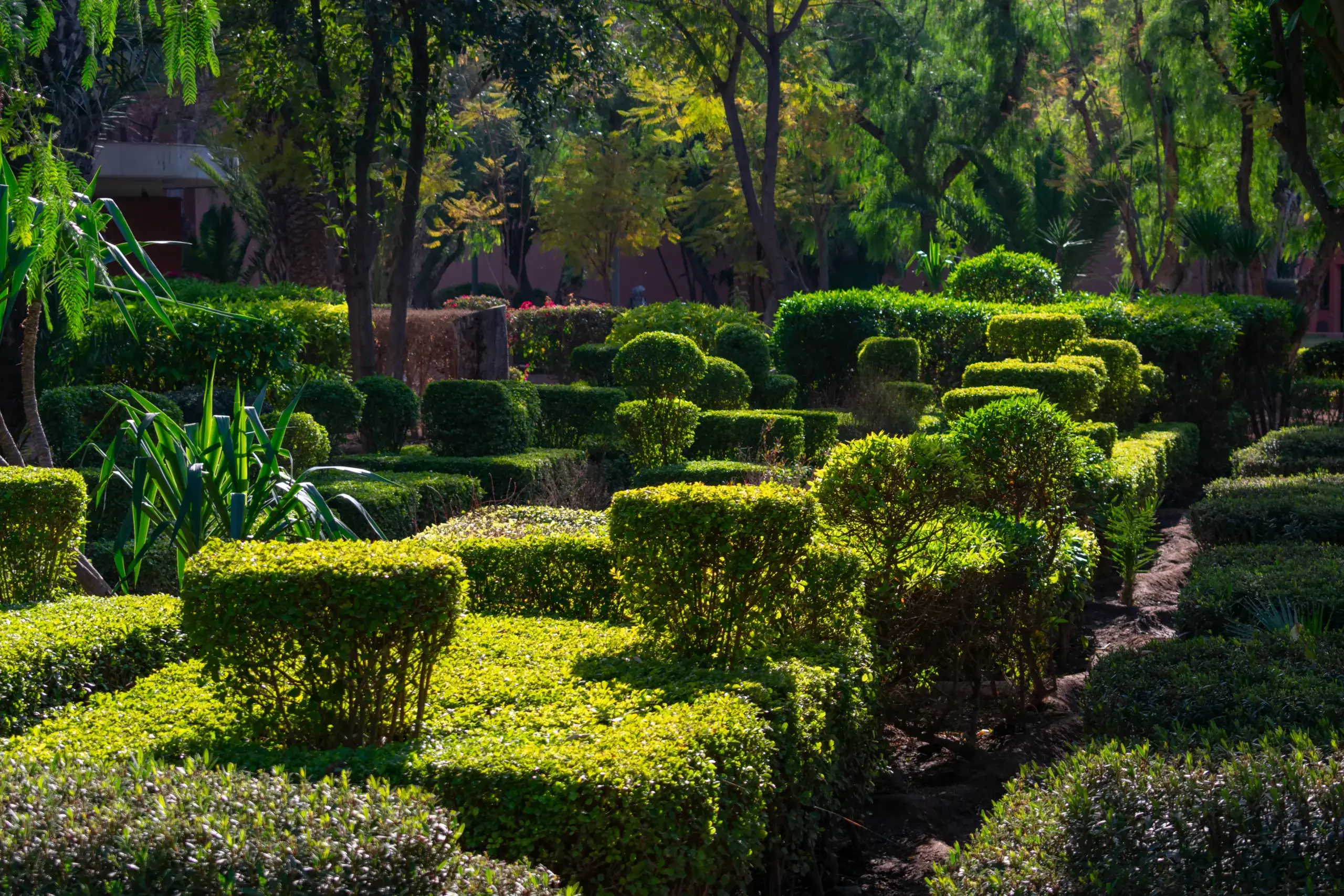
Old gardens (Majorelle, La Ménara, Agdal) coexist with recent initiatives: replanting olive trees, maintaining palm groves, and creating shaded public spaces.
But the city faces a challenge: water.
New plantings must deal with increasing water stress, necessitating a rethink of species selection and irrigation systems.
Citizens, actors in greening
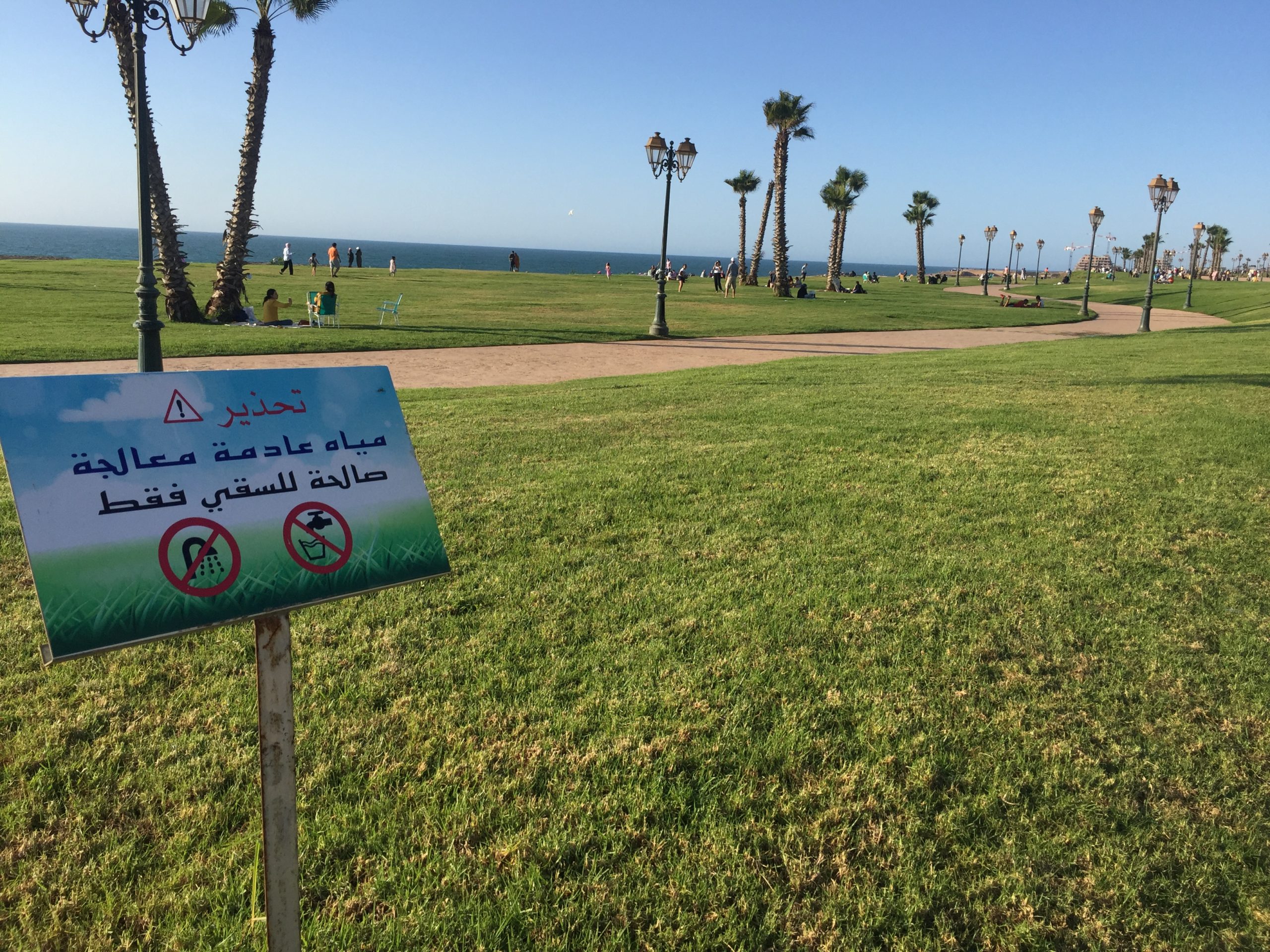
Urban nature does not depend solely on institutions.
Neighborhood associations, ecological architects and even residents are getting involved:
Social media is full of mini-initiatives that reflect a citizen ecology still discreet but increasingly organized.
The long-term challenge
Planting a tree is easy.
Maintaining it, watering it, protecting it from construction sites is another story.
Several “green city” projects have stalled due to lack of budget or follow-up.
Urban planners are now calling to institutionalize urban nature :
👉 integrate green space quotas into every real estate project,
👉 mandate green roofs,
👉 and train “municipal gardeners” to ensure the sustainability of the plantings.
Conclusion
Moroccan cities are not suffocating by chance — they are paying for years of rapid urbanization without breathing space.
But the movement is underway: each tree planted, every green roof established, each citizen who gets involved restores a bit of balance to our urban landscapes.
Breathing, at its core, has become a collective act. 🌿
Sources: Ministry of Energy Transition, Médias24, Le360, Urban Observatory of Casablanca