
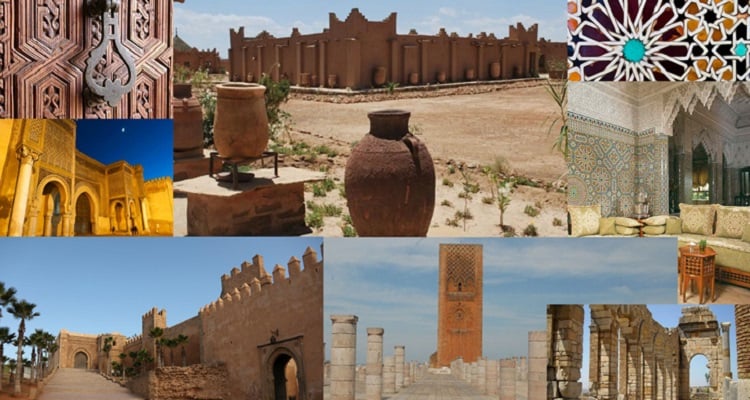
A Living but Fragile Heritage
Morocco boasts one of the richest intangible heritages in the Arab and African worlds: Gnaoua music, the Tan-Tan moussem, the Mediterranean diet, falconry, Arabic calligraphy, and Amazigh tattoo art are all treasures listed by UNESCO.
But behind this vibrancy, the situation is concerning.
Oral traditions are disappearing as the older generations pass away, and artisanal trades are dwindling due to lack of transmission.
Younger generations, captivated by cultural globalization, are gradually distancing themselves from these ancestral knowledge.
Digital: Threat or Opportunity?
While digital technology has transformed cultural practices, it also provides a unique opportunity for preservation.
Platforms for digitizing heritage, such as those developed by the National Library of the Kingdom of Morocco (BNRM) or the Ministry of Culture, now allow for the archiving, documenting, and online sharing of thousands of songs, objects, and manuscripts.
On social media, young Moroccan creators are reviving traditional arts: Fassie embroidery on Instagram, Amazigh cuisine on YouTube, and remixed Gnaoua music on TikTok.
These initiatives are contributing to a reconnection between tradition and modernity..
Artisans in Search of Recognition
Artisans, the guardians of living heritage, are among the most threatened.
Intergenerational transmission is declining, and training institutions lack resources.
Projects like “Fes Living Heritage” and “Medina Stories” aim to document skills and ensure their continuity through training and virtual exhibitions.
However, many artisans remain excluded from the digital revolution due to lack of access to technology or public support.
The challenge is therefore not only cultural: it is economic and social..
An Identity and Strategic Issue
Preserving intangible heritage means preserving a plural identity: Amazigh, Arab, African, and Andalusian.
Morocco understands this well: in 2024, it launched a national register of intangible cultural heritage, aimed at centralizing and highlighting threatened traditions.
This policy is part of a broader approach to cultural diplomacy: exporting Moroccan culture as a vehicle for influence and soft power.
However, success will depend on the ability to engage citizens — artists, educators, associations — in promoting this shared heritage.
Conclusion: Memory in the Age of the Cloud
The challenge of the 21st century is not only to preserve traces of the past but to keep them alive in the present.
If well-managed, digital tools can become instruments of intergenerational transmission and inclusion.
For the memory of a people does not freeze: it reinvents, shares, and updates itself — even in the age of the cloud..
Sources:
-
Ministry of Youth, Culture and Communication – National Register of Intangible Heritage (2024)
-
UNESCO – List of Intangible Cultural Heritage of Morocco (2025)
-
BNRM – Digital Heritage Portal
-
Projects “Fes Living Heritage” and “Medina Stories” – Reports 2025