An accident with heavy symbolic consequences
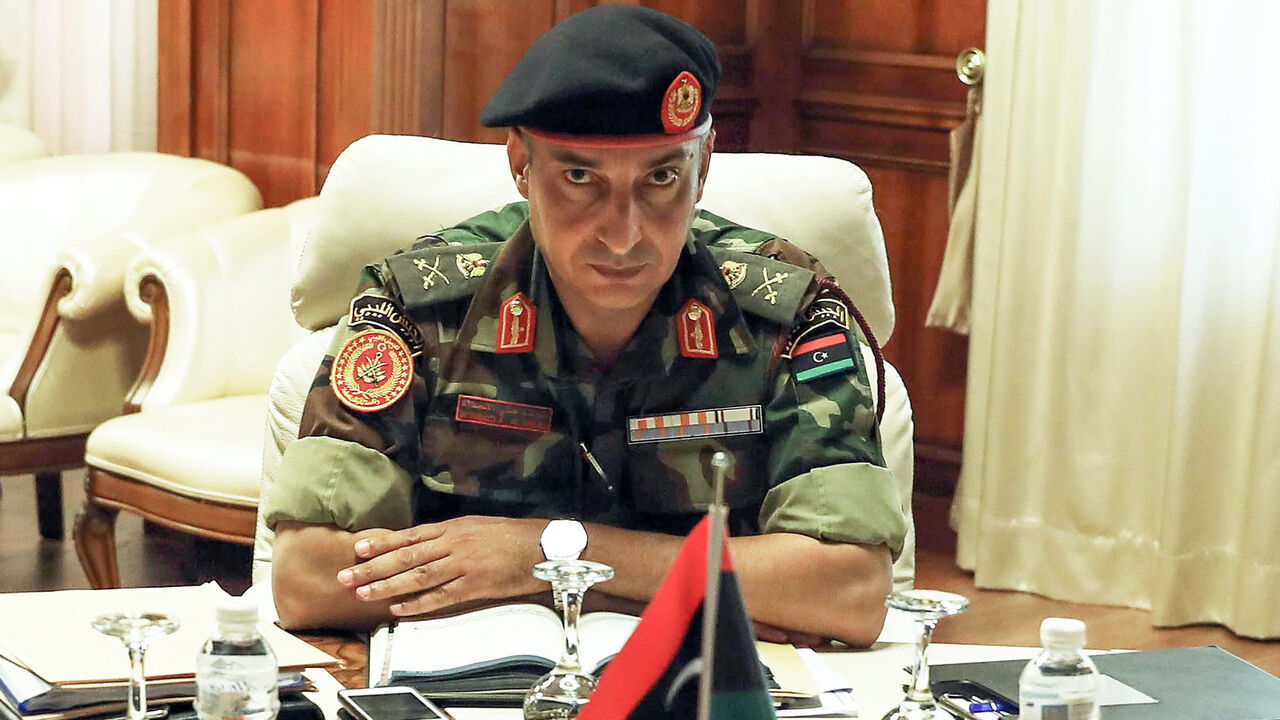
The Chief of Staff of the Libyan Armed Forces, Mohammed Ali Ahmed al-Haddad, died in the crash of the plane transporting him during an official trip. The aircraft crashed shortly after takeoff, resulting in the deaths of all individuals on board, including several senior officers and crew members.
According to initial information communicated by the relevant authorities, a technical anomaly was reported shortly before the accident. The exact circumstances of the crash are now under thorough investigation to determine the precise causes of the disaster.
A central figure in the Libyan military apparatus
Appointed Chief of Staff in a context of institutional restructuring, Mohammed Ali Ahmed al-Haddad held a strategic position within Libya's security architecture. His role involved coordinating the various military components in a country marked by persistent political divisions and an unfinished transition.
His sudden departure is a shock to the military institution, but also to the political balance of the country, as Libya attempts to consolidate its state structures and reduce internal tensions.
National mourning and official reactions
Upon the announcement of the news, Libyan authorities declared several days of national mourning. Official tributes have been paid to the Chief of Staff, praising his dedication to the state and national stability.
Messages of condolence have also poured in from political and military officials, both in Libya and abroad, emphasizing the regional significance of this loss and the importance of the position held by the deceased.
An anticipated investigation in a sensitive context
A joint investigation has been launched to shed light on the causes of the accident. The results will be closely monitored by both Libyan authorities and their international partners, in a context where the security of high officials remains a major concern.
Beyond the human tragedy, the death of the Chief of Staff raises questions about the continuity of military command and the internal balances of a country still seeking lasting stability.