
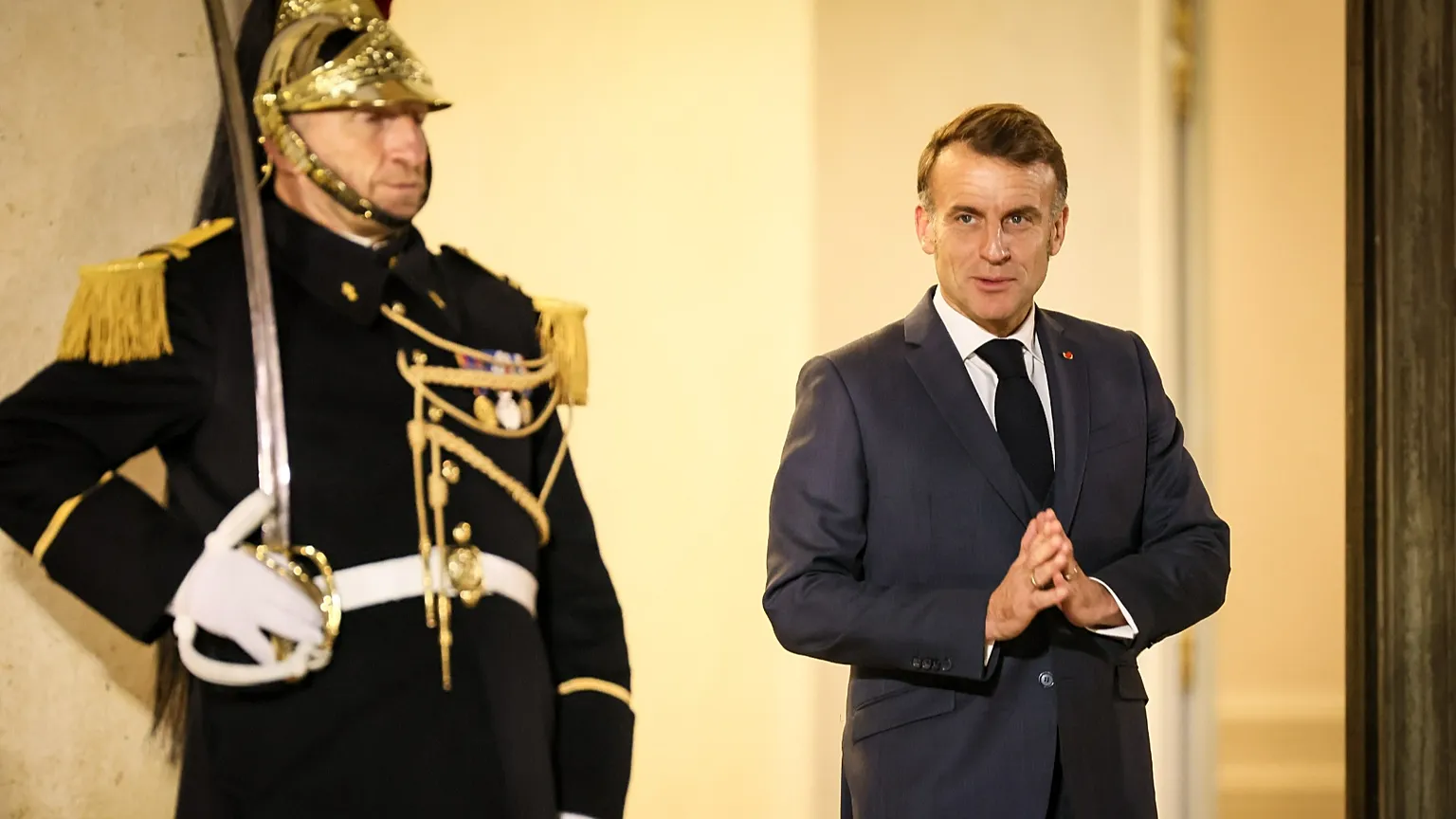
The clip emerged quietly before spreading rapidly. Within hours, a video presented as evidence of a planned coup d'état in France had flooded social media, fueling anxieties and conspiracy theories. Military uniforms, alarmist speeches, and misleading archival footage contained all the elements of sophisticated manipulation.
Quickly, the virality surpassed usual disinformation circles. Shared on X, Telegram, and some video platforms, the clip was disseminated by anonymous accounts as well as profiles claiming to be 'independent analysts'. The tone was urgent, the message alarming, implicitly calling for distrust in institutions.
However, technical analysis revealed an artificial fabrication. AI-generated voices, edited images taken out of context, and deliberately ambiguous subtitles: the video relied on a narrative construction aimed at provoking an immediate emotional reaction. No verifiable elements confirmed the accusations made.
This type of content fits into a broader dynamic of information warfare. As sensitive political deadlines approach, France becomes a prime target for campaigns seeking to undermine public trust. The speed of dissemination, coupled with users' difficulty in distinguishing truth from falsehood, amplifies the impact of these operations.
French authorities quickly denied any attempt at institutional destabilization. Yet the damage was partially done. The video, even after being debunked, continues to circulate in various forms, sometimes presented as 'censored truth,' illustrating the contemporary paradox of disinformation: an official denial can sometimes reinforce belief among certain audiences.
This case highlights the current limits of fact-checking in the face of AI-generated content. It also raises a central question for democracies: how can a healthy public debate be maintained when visual manipulation becomes nearly undetectable for the general public?