An untouchable Article 9, symbol of a pacifist Japan
Since 1947, Article 9 of the Japanese Constitution asserts that 'the Japanese people renounce war forever.' This text has shaped the image of a nation committed to peace, diplomacy, and economic reconstruction. For decades, discussing its revision was taboo: pacifism was part of Japan's post-war political and moral DNA.
A Strategic Environment Disrupted by China and Taiwan
Today, this framework is being challenged by a volatile regional context. The military rise of China, tensions around Taiwan, North Korean ballistic missile tests, and Japan's dependency on strategic maritime routes are prompting Tokyo to revisit its stance. East Asia is no longer a stable space: military competition is growing, and Japan can no longer afford total vulnerability.
A Political Class Determined to Turn the Page on ‘Complete Pacifism’
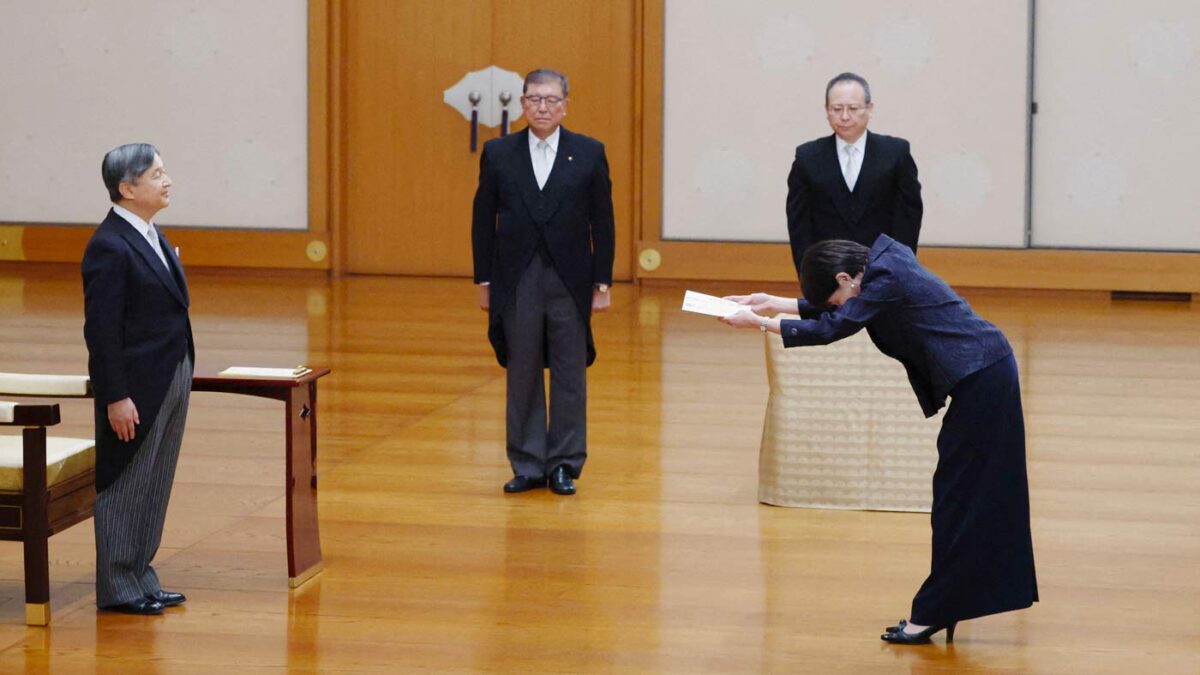
The new Prime Minister Sanae Takaichi embodies this shift. Coming from the conservative right, she advocates a much firmer stance towards China and calls for significant enhancement of military capabilities. For her camp, it's not just about defense anymore, but also about being able to retaliate or support allies, even outside Japanese territory.
Missiles, Alliances, and Deterrence: Tokyo's Major Shift
Specifically, Japan is heavily investing in modernizing its military: longer-range missiles, enhanced missile defense, and modernization of air and naval forces. Concurrently, strategic cooperation with the United States is strengthening, aimed at making Japan more resilient and credible in the event of a regional conflict. This shift clearly signifies a departure from the absolute pacifism of 1947.
Beijing Denounces a 'Break,' Japanese Opinion Remains Divided
For China, this Japanese transformation represents a historic challenge to the country's pacifist status. Beijing views this evolution as a dangerous 'remilitarization' of the archipelago. Within Japan, public opinion remains divided: some hold on to Article 9, while others believe the country should take a more active role in its own security.
A Symbolic Shift with Global Consequences
Even without a formal revision of the Constitution, the way Japan interprets and applies Article 9 has radically changed. The country now asserts itself as a major strategic player in the Indo-Pacific region. This pivot by Tokyo reconfigures balances: it alarms Beijing, reassures Washington, and marks the end of an almost 80-year-old taboo.