A geographic positioning that becomes an economic asset
Located at the gates of Europe and at the crossroads of major shipping routes, Morocco fully capitalizes on its geostrategic position.
The free zones of Tangier Med, Kénitra, Casablanca, and Laâyoune have become powerful engines of growth, attracting thousands of foreign and local companies.
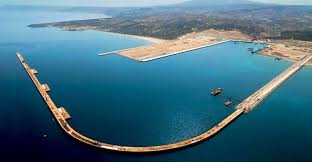
The complex Tangier Med, in particular, stands out as the largest port in Africa and a major player in international trade. With an annual capacity exceeding 9 million containers, it now connects to more than 180 ports in 70 countries.
This logistics platform plays a key role in the national strategy “Morocco Logistics 2030”, which aims to make the country a crucial transit point for trade flows between Europe, Africa, and America.
Free zones serving industry and employment
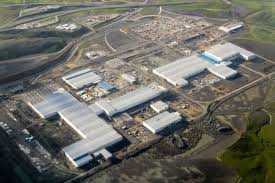
Moroccan free zones are no longer limited to exports; they now integrate real industrial ecosystems.
In Kénitra, for example, the automotive cluster hosts giants like Stellantis, while Tangier Med harbors diversified activities ranging from aeronautics to textile logistics.
These hubs have generated tens of thousands of direct jobs and attracted significant investments. The Moroccan model relies on an enticing tax framework, recognized political stability, and a skilled workforce—factors that appeal to European and Asian investors.
Logistics, a new driver of competitiveness
Morocco has understood that economic competitiveness depends not only on labor costs but also on logistics efficiency.
The development of integrated platforms, modernization of railways, and interconnection between ports, airports, and roads optimize supply chains and reduce lead times.
The establishment of a National Logistics Agencyaims to coordinate these efforts, improve customs procedures, and digitalize flows. The country positions itself among the top performers on the continent in terms of logistics performance, according to the World Bank.
A model focused on Africa
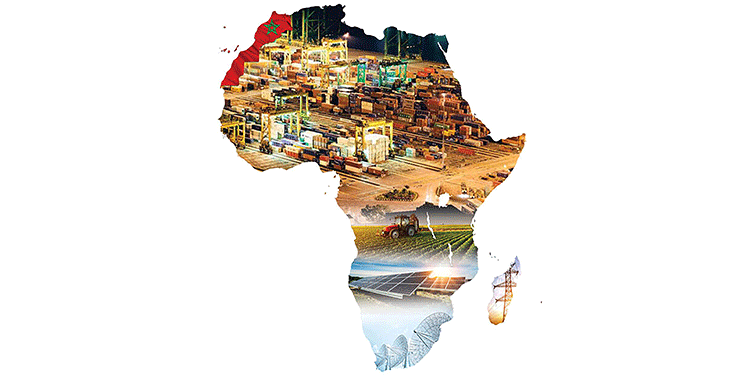
Beyond its industrial vocation, Morocco wants to become the African logistics hub.
The corridors linking Tangier Med to Dakar, Abidjan, Lagos, or Nouakchott strengthen its influence on intra-African trade.
This south-south orientation aligns with the royal vision of an integrated, connected, and self-sufficient Africa.
Moroccan companies—whether banks, construction groups, or transport firms—actively participate in this continental deployment, thereby reinforcing the image of Morocco as an exporter of expertise and know-how in logistics.
A future rooted in sustainability
The authorities now aim to green these infrastructures: solar ports, decarbonized logistics, and “eco-certified” free zones.
This ecological transformation complements economic competitiveness while aligning the country with international sustainability standards.
Sources: Tangier Med Port Authority, MAP, Africa Logistics Magazine, World Bank, Reuters