
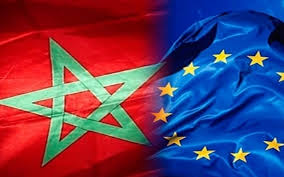
Trade between Morocco and the European Union is often analyzed through volumes, agreements, and exchange figures. However, a quieter transformation is underway. It may not headline official statements, but it increasingly conditions access to the European market: the rise of standards.
These standards are not new. What is changing is their role. They no longer merely frame the quality or safety of products. They are becoming a true economic selection instrument, capable of excluding without announcing formal tariff barriers.
Europe has gradually shifted the center of gravity of trade. Tariffs are decreasing, but requirements are increasing. Traceability, health compliance, environmental footprint, carbon reporting, technical documentation: exporting now means demonstrating, with proof, the compliance of an entire production chain.
For Moroccan sectors, the impact is profound. Large groups often have the technical and financial means to meet these demands. Small and medium-sized enterprises, on the other hand, face a bureaucratic and technological wall. Standards do not directly block access, but they raise the entry cost to a discouraging level.
The environmental stakes accentuate this dynamic. Carbon logic introduces a new hierarchy among producers. Ecological footprint becomes an economic criterion. A compliant product deemed too polluting loses competitiveness, regardless of its intrinsic quality. Europe's ecological transition is thus reshaping value chains far beyond its borders.
This evolution creates a strategic risk for Morocco: a gradual disengagement. First on margins, then on volumes. A company that continuously invests to stay compliant reduces its capacity for productive investment. In the long term, some sectors could be relegated to low-value segments.
But this constraint can also become a lever. Standardization can accelerate quality enhancement, structure sectors, and strengthen the credibility of 'Made in Morocco' in demanding markets. This requires that the effort does not fall solely on companies and is part of a collective, cohesive strategy.
The real battle, therefore, is not fought in Brussels or Rabat, but at the heart of production chains. In a globalized trade environment where rules replace tariffs, those who master the standards control access to the market. For Morocco, the challenge is no longer just to export more, but to export according to rules that keep evolving.