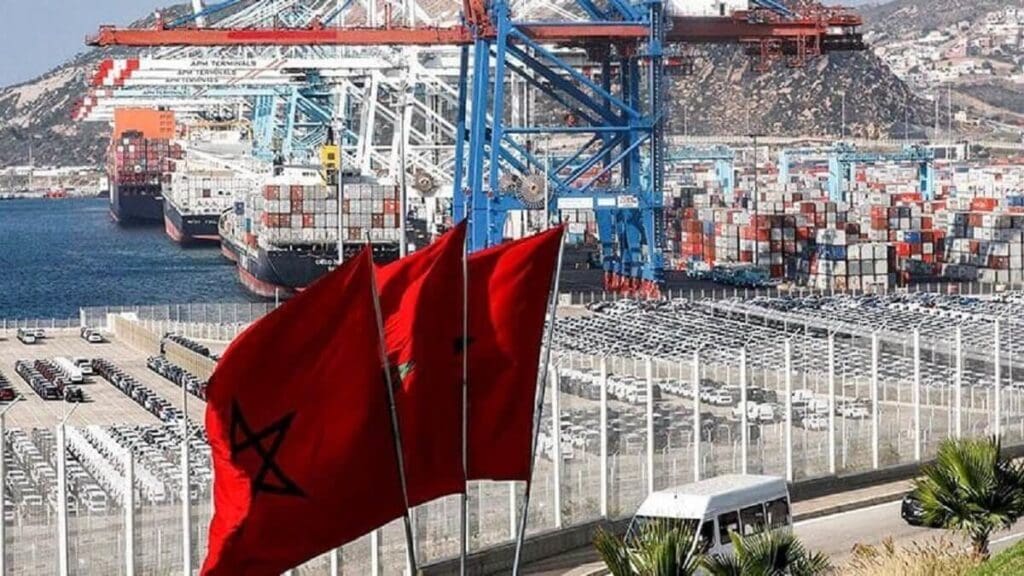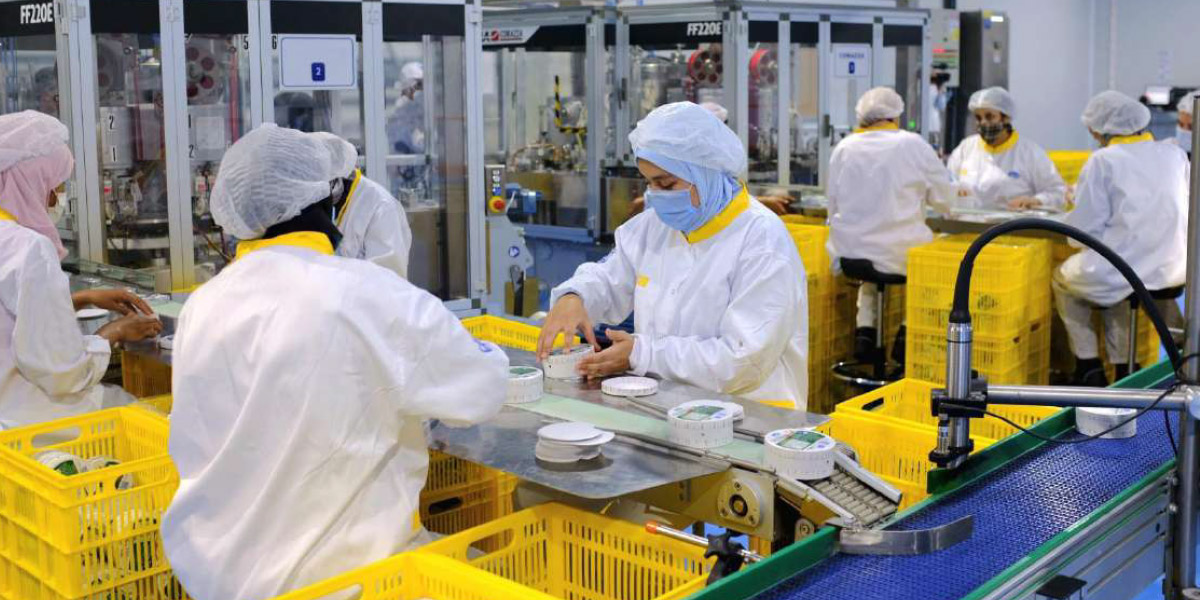
The debate on Moroccan industry often centers around a simple formula: "workshop of the world" or "industrial platform." Over the last decade, the country has clearly transitioned to the latter, at least in terms of volumes and exports. But a more challenging question arises: is Morocco progressing toward an industry that better controls the value chain, or does it primarily consolidate a model of competitive subcontracting, modernized and better integrated?
In the automotive sector, the figures command respect. In 2024, the sector achieved157.6 billion dirhams in exports, confirming its status as the country’s leading export sector. This is not just a detail on the balance sheet: it signifies a structured industry with ecosystems, suppliers, and logistics flows that matter globally. However, the question of the upgrade begins precisely where the numbers stop: what portion of these exports constitutes value that is genuinely "made" locally, beyond assembly, wiring, and equipment?
Key players, however, show an upward trajectory.Renault has established a massive production base in Morocco: in 2024, theTangier plant produced312,381 vehicles, and theSOMACA plant in Casablanca reached a symbolic milestone with101,233 vehicles. These volumes position Morocco at the heart of the group’s industrial framework, especially within a mass production logic that demands quality discipline, robust logistics, and a trained workforce.
AtStellantis, the dynamic is even more revealing of this historic moment: the group announced an expansion in Kenitra aiming for535,000 vehicles in annual capacity, with an increase in light electric vehicles (Citroën Ami, Opel Rocks-e, Fiat Topolino) from20,000 to 70,000 units per year, and the launch ofhybrid engines.. This is not just about "more production"; it signifies a shift towards segments (electrification, powertrains, micromobility) that define the boundary between subcontracting and genuine upgrading.
However, industry is not assessed solely on final assembly. It is evaluated on integration. In this regard, Stellantis presents a strategic indicator: a goal of75% local sourcing by 2030, up from69% at the time of the announcement. The stakes are enormous: each point of local integration means more Moroccan suppliers, more components manufactured locally, and more value captured within the country. This is where the fragility lies: if integration plateaus, Morocco remains exposed to the decisions of clients and global negotiations regarding production platforms.
The aerospace sector, on the other hand, illustrates a more qualitative upgrade. In 2024, exports from this sector reached approximately26.4 billion dirhams, and the Moroccan ecosystem includes around150 companies and 25,000 jobs. This sector is less visible than automotive but often more telling: aerospace imposes standards, certifications, critical production chains, and a demanding industrial culture. Most importantly, it opens doors to more advanced segments if the country successfully transitions to assembling complex subassemblies, maintenance, and certain engineering aspects.
The most symbolic announcement came in 2025:Safran plans to open anassembly line for LEAP-1A engines (Airbus program) near Casablanca, with a launch scheduled for2028, a capacity of about350 engines per year, and a maintenance facility expected in2027 (capacity of150 engines per year). When an industrial player establishes an engine activity, they are not seeking just cost efficiencies: they seek stability, skills, and the ability to meet ultra-sensitive production standards. This is a strong signal, but it raises a foundational question: what portion of these skills transforms into sustainable local expertise and a high-level Moroccan subcontracting network?
It is here that the difference between "improved subcontracting" and "genuine upgrading" is determined. True upgrading begins when the country increases the share of activities that are difficult to relocate: process engineering, applied R&D, tooling, advanced quality control, maintenance, component design, intellectual property. However, international competition is intensifying. Europe is reshoring certain segments, Turkey and Eastern Europe remain aggressive in industry, and Asia is rapidly advancing on EVs and batteries. Morocco finds itself at a moment where past performance no longer guarantees future success: it must cross the threshold of "technologies + skills + integration."
The country is attempting to prepare for this threshold by focusing on training, stability, and industrial attractiveness. But the political stakes are clear: if Moroccan industry remains too dependent on foreign group decisions, it may thrive as long as the global cycle is favorable... then suffer when priorities change. Conversely, if Morocco locks in high-value segments (powertrains, engineering, aerospace MRO, embedded electronics, industrial data), it strengthens a more sovereign, resilient base, and creates more qualified jobs.
Ultimately, the answer is neither black nor white. Yes, Morocco is already a significant industrial site, as evidenced by the numbers. But upgrading is not just a slogan: it is a battle of details, local integration, skills enhancement, and the capability to capture value beyond assembly. The coming decade will reveal whether Morocco becomes a production platform... or an industrial decision-making platform.