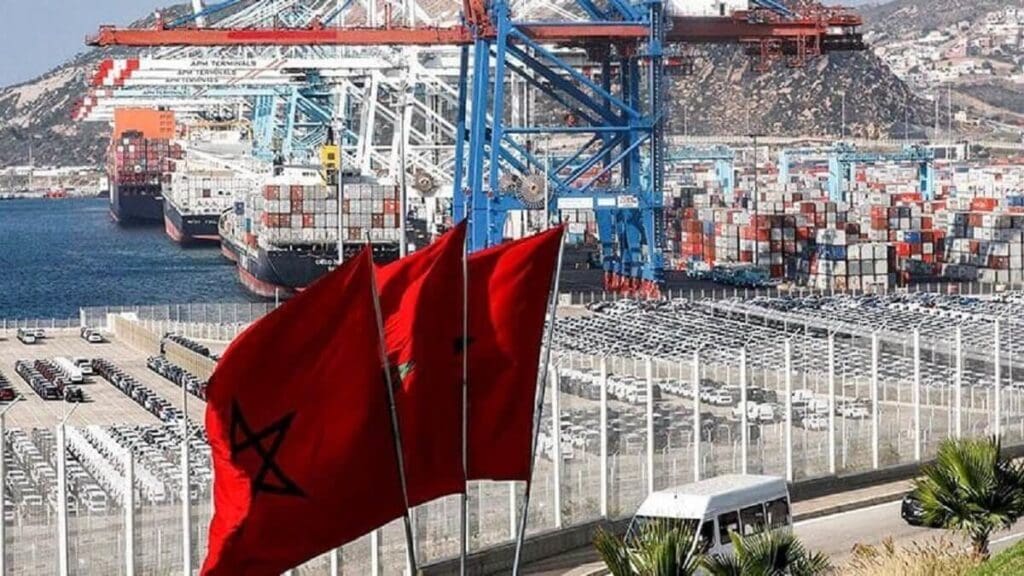
In a global environment marked by uncertainty, commercial fragmentation, and a general decline in investments, Morocco stands out as an exception. According to the latest available figures, the foreign direct investments received by the Kingdom increased by about 55% in 2024, reaching $1.64 billion, compared to just over $1 billion the previous year. This dynamic contrasts with the global trend, where productive FDI flows have decreased for the second consecutive year.
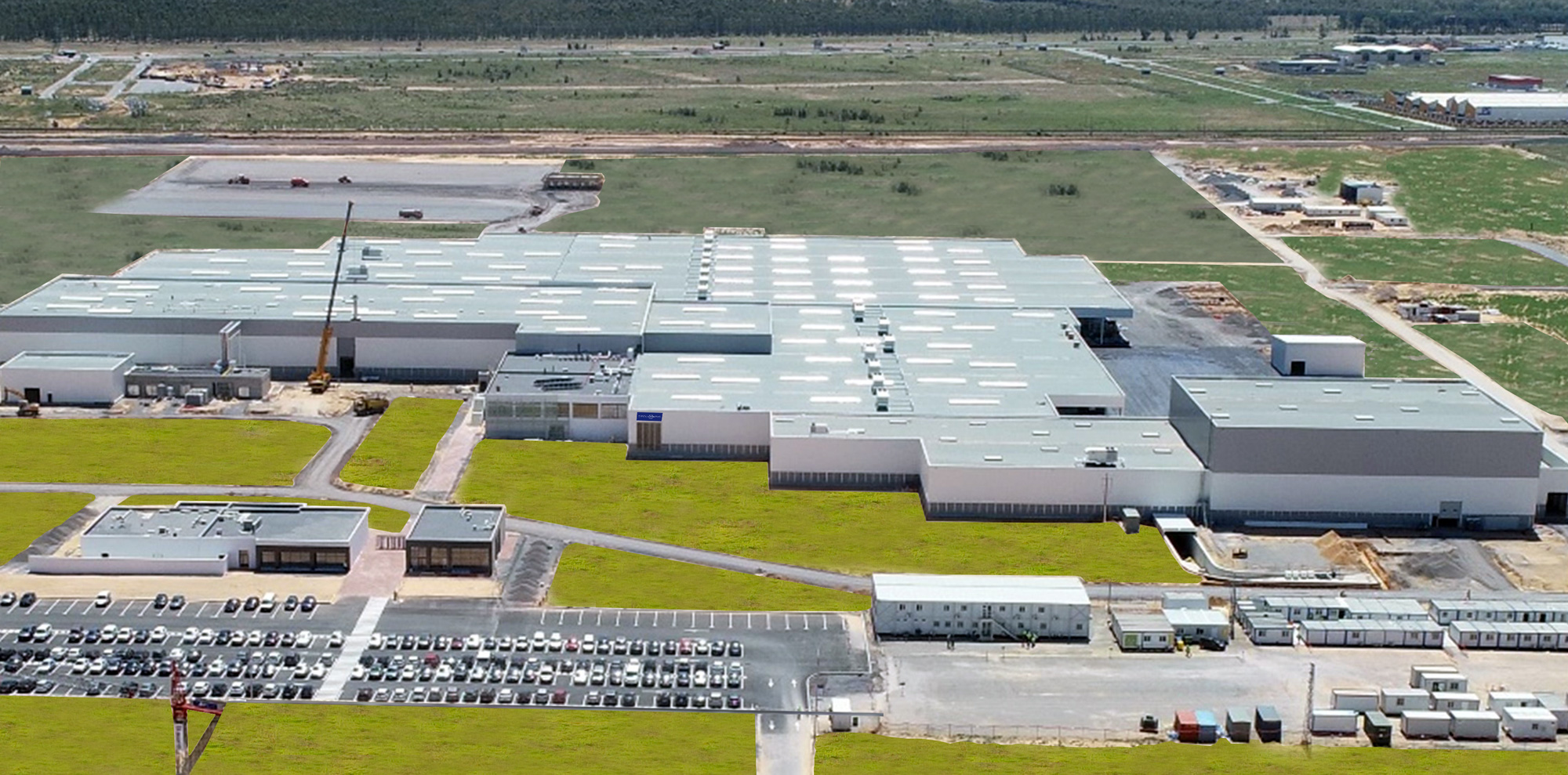
This resilience largely hinges on the industrial strategy pursued for over a decade. Recent data from the Foreign Exchange Office shows that the industrial sector now captures nearly 37 to 38% of FDIs, with a volume of around 16.5 billion dirhams in 2024, far ahead of real estate and commerce. As such, the industry has become the main gateway for foreign capital, driven by ecosystems in automotive, aerospace, electronics, and increasingly, renewable energies.
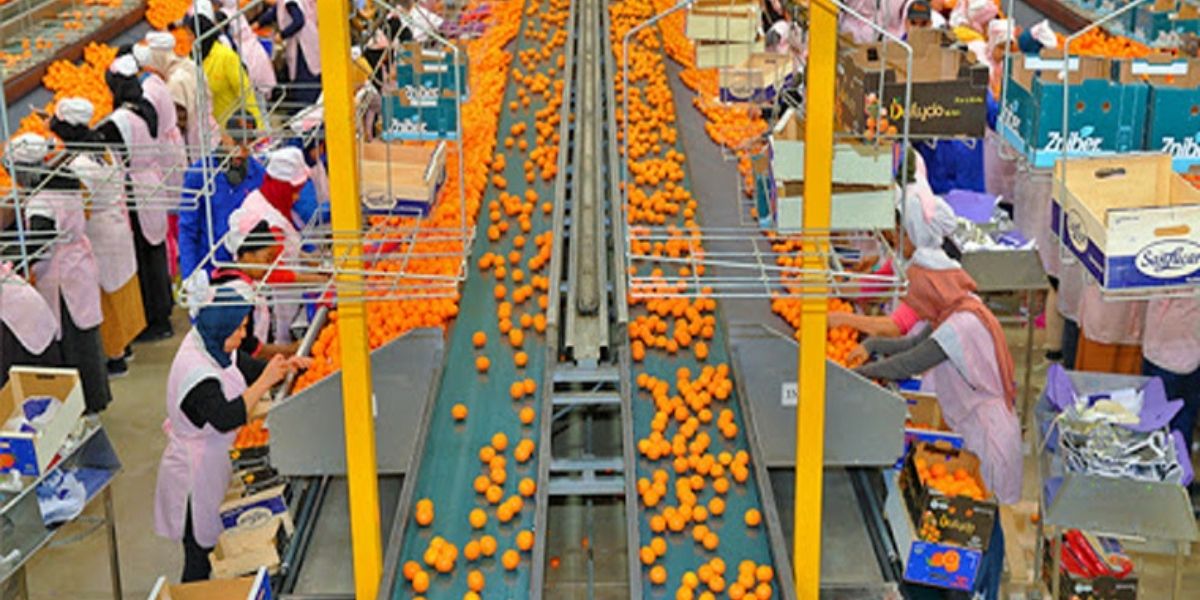
The Ministry of Industry reports 1,839 projects approved under the industrial sovereignty strategy, amounting to approximately 124.9 billion dirhams in investment. These projects are expected to generate nearly 180,000 jobs and aim to substitute imports with local production across a variety of segments, including automotive components, electrical equipment, construction materials, and agro-industry. This shift towards local production strengthens both the trade balance and the economy's resilience to external shocks.
In detail, several announcements illustrate this trend. An investment agreement of around 2.3 billion dirhams was signed with the Chinese group Sunrise in the textile sector for establishing industrial units in Fez and Skhirat, which is expected to create 8,500 direct and indirect jobs. In the aerospace sector, a significant new investment was unveiled for setting up an aircraft engine assembly line and a maintenance site near Casablanca, with total investments exceeding 300 million euros, further elevating the sector's capabilities.
Geographically, the investor landscape is also evolving. The United Arab Emirates has emerged, according to the latest figures, as the top foreign investor in Morocco in 2024, with just over 3.1 billion dirhams, accounting for nearly 19% of net FDI flows. This surge in Gulf capital complements historical investments from France and other European partners, reflecting Morocco's repositioning as an industrial and logistical hub in Africa.
Recent reports from the currency regulator indicate that net FDIs surged by nearly 60% in the first half of 2025, reaching around 16.8 billion dirhams, confirming that the momentum remains favorable despite a slowdown in many emerging countries. This movement is supported by the performance of export sectors such as automotive, where sales exceeded 70 billion dirhams over six months, and by the progress in phosphates and fertilizers, which remain a pillar of foreign revenues.
However, this trajectory is not without challenges. The increase in the trade deficit in the first half of 2025 serves as a reminder that imports, particularly of industrial equipment and intermediate goods, continue to grow faster than exports. Yet, authorities view this situation as reflecting an ongoing investment cycle, where the accumulation of productive capital should, in the medium term, enhance the country's export capacity.
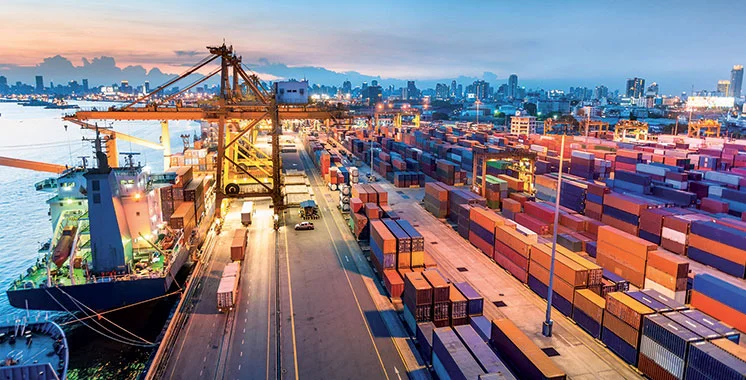
In a context where international bodies are warning about the global decline in productive investments, Morocco's strategy for industrial sovereignty, centered around upgrading, import substitution, and integration into global value chains, appears to be a calculated bet. Recent figures show that it is beginning to yield results, making Morocco one of the continent's most attractive industrial hubs.