Kenitra, a symbol of a Moroccan industrial success story
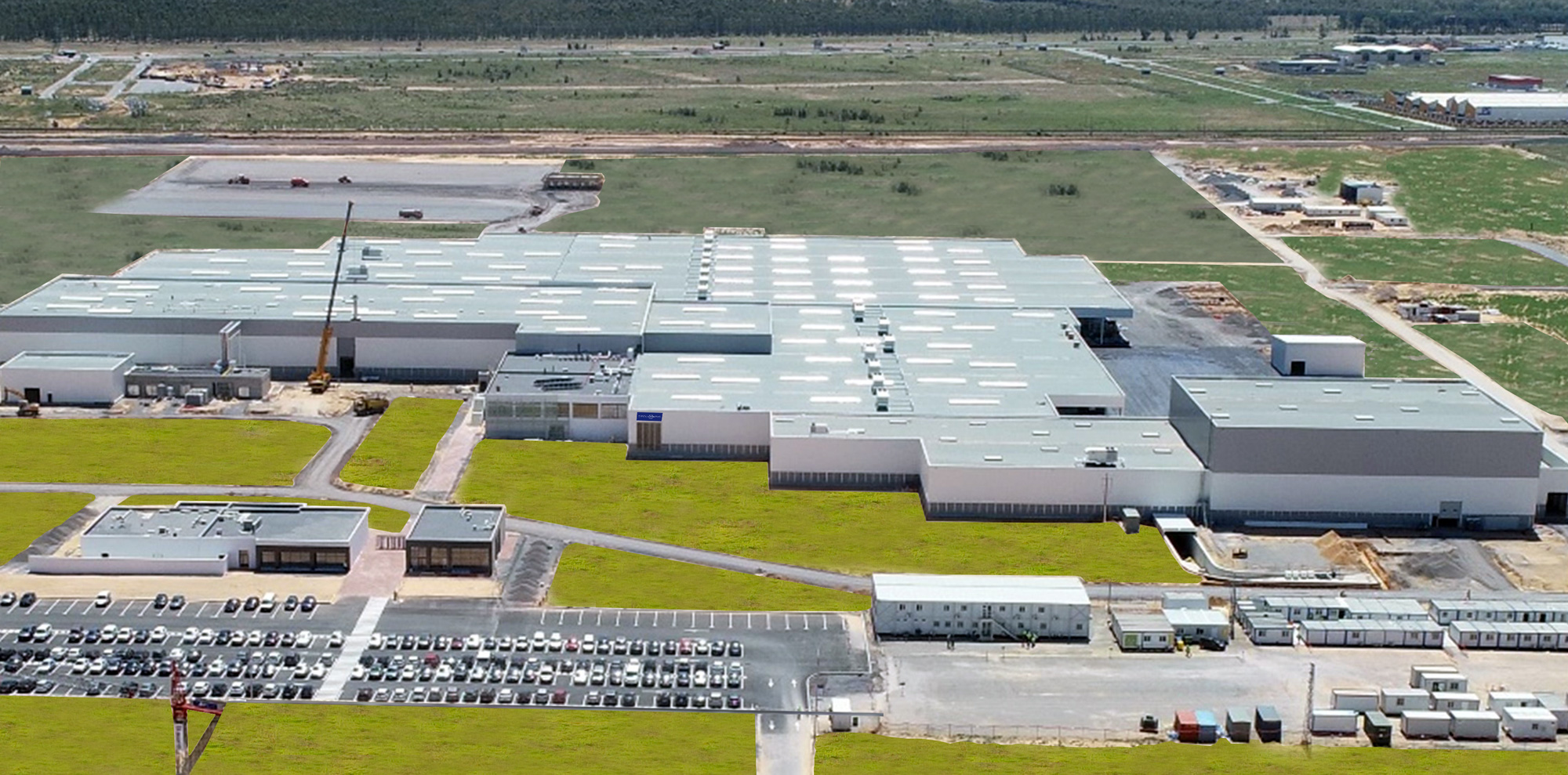
When the first vehicle rolled off the Kenitra assembly line in 2019, few imagined this factory would become, six years later, one of the most competitive hubs on the African continent.
Today, Stellantis — the fourth largest car manufacturer in the world, formed from the merger of PSA and Fiat Chrysler — announces the launch of a new unit dedicated to 100% electric vehicles.
The site will reach a capacity of 450,000 vehicles per year, representing a 50% increase compared to its current production.
This project is part of the national strategy for industrial and energy development, which aims to position Morocco as a hub for clean mobility between Europe and Africa.
“Morocco combines stability, skills, and a long-term vision. It is now at the heart of our global electric strategy,” said Carlos Tavares, CEO of Stellantis, during a press conference in Casablanca.
A strategic investment and thousands of jobs at stake
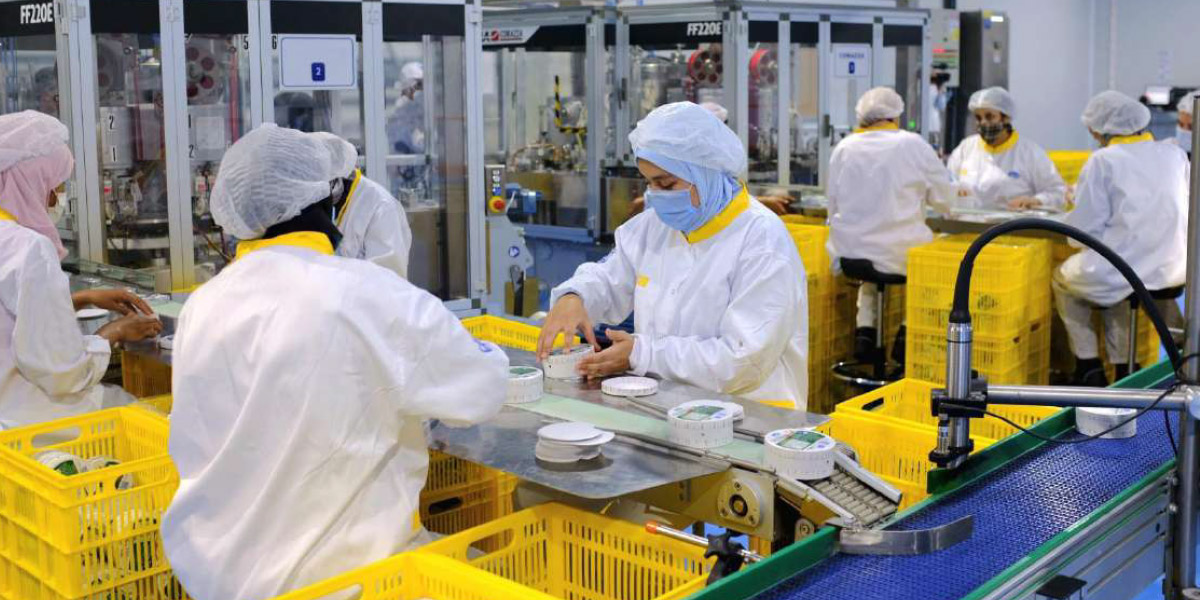
The announced investment — almost 200 million euros — is accompanied by the creation of 3,000 direct jobs and 12,000 indirect jobs within the Moroccan automotive ecosystem.
This project also strengthens the rise of local content, which now reaches 70% of components manufactured on-site.
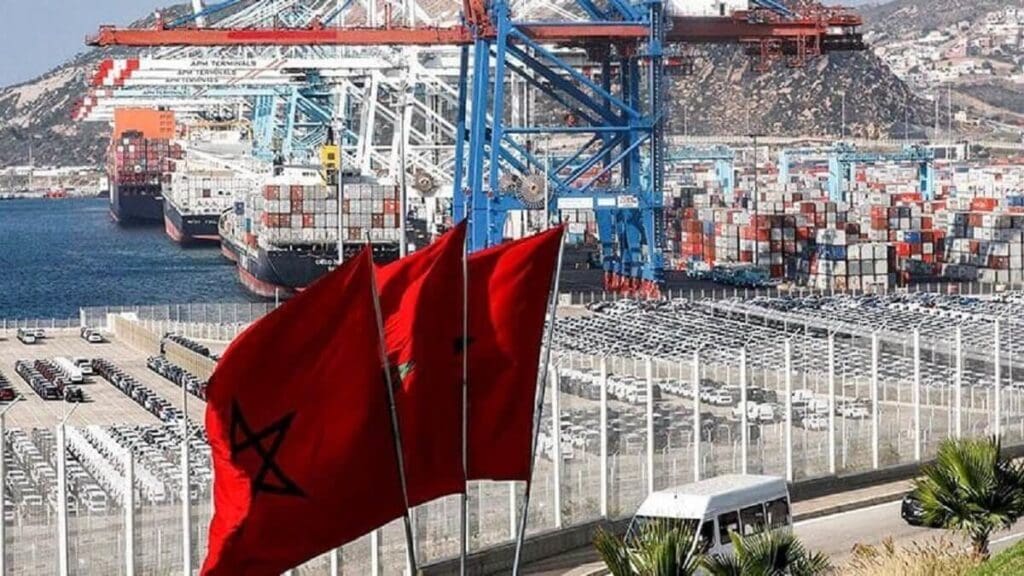
Through Kenitra, Morocco already exports to more than 70 countries. The automotive sector accounts for nearly 25% of the country's total exports and continues to show an annual growth rate above 10%.
With this expansion, the Kingdom strengthens its position as the largest automotive exporter in Africa, ahead of South Africa.
The Minister of Industry, Ryad Mezzour, welcomed this strategic partnership:
“The Moroccan automotive industry enters a new era. We are no longer just an assembly site, but a player in design, technology, and sustainable mobility.”
Electric mobility, a new driver of Morocco's green economy
Beyond the numbers, this project illustrates a profound evolution: Morocco's desire to establish itself as a major player in the global energy transition.
The Kenitra plant will ultimately operate using local renewable energies, sourced from the Noor solar plants and the wind farms of Tarfaya and Midelt.
The goal is to achieve carbon neutrality by 2030, in line with the roadmap “Green Industrial Morocco”.
The government also plans to provide tax incentives to encourage battery production, a strategic segment still dominated by Asia.
Discussions are already underway with several European partners to establish a battery giga-factory in the Casablanca-Settat region.
An industrial model that inspires the continent
The success of the Moroccan model is attracting the attention of several African countries, notably Egypt and Ghana, which are trying to replicate the formula: political stability, free zones, efficient logistical infrastructure, and a skilled workforce.
But challenges remain: partial dependence on imports of electronic components, large-scale technical training, and competition from Eastern European countries.
To address this, Morocco is investing in specialized training centers, such as the Automotive Industry Jobs Training Institute (IFMIA), which prepares the next generation of engineers and technicians.
In less than a decade, the Kingdom has managed to transform an industrial gamble into a lever of economic sovereignty.
And as Morocco now establishes itself as a vital link in the global automotive value chain, it has understood one simple thing: the future of the engine is electric, and it will be built in Africa.
Sources:
-
Reuters — Stellantis expands production capacity at Morocco plant (July 17, 2025)
-
MAP — Statements by Minister of Industry Ryad Mezzour
-
Le360.ma — Morocco, African Hub for Electric Mobility (October 2025)
-
Medias24 — Automotive: Stellantis strengthens its presence in Kenitra (October 20, 2025)