A dependency that exposes the country to external shocks
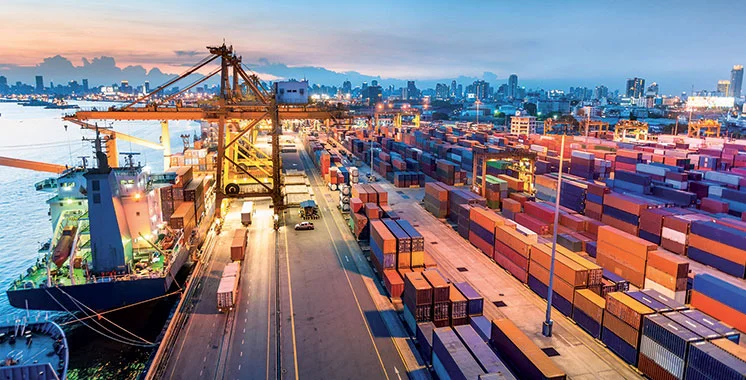
Recent events—maritime disruptions, energy tensions, and rising global prices—have highlighted how fragile an economy overly reliant on imports can be. Morocco is not immune to this reality: several key sectors remain highly exposed to international fluctuations.
The risks of an import-based model
The consequences are multifaceted: rising consumer prices, challenges for local businesses, instability in supply chains, and pressure on the trade balance. In an increasingly unpredictable world, this vulnerability becomes a matter of sovereignty.
Producing locally: a solution, but not without challenges
Reducing reliance does not mean closing borders, but developing industrial capacities in strategic segments: processed agriculture, energy, technology, pharmaceuticals, and basic materials. Morocco has real potential, but this requires time, investment, and efficient ecosystems.
A transition already underway in certain sectors
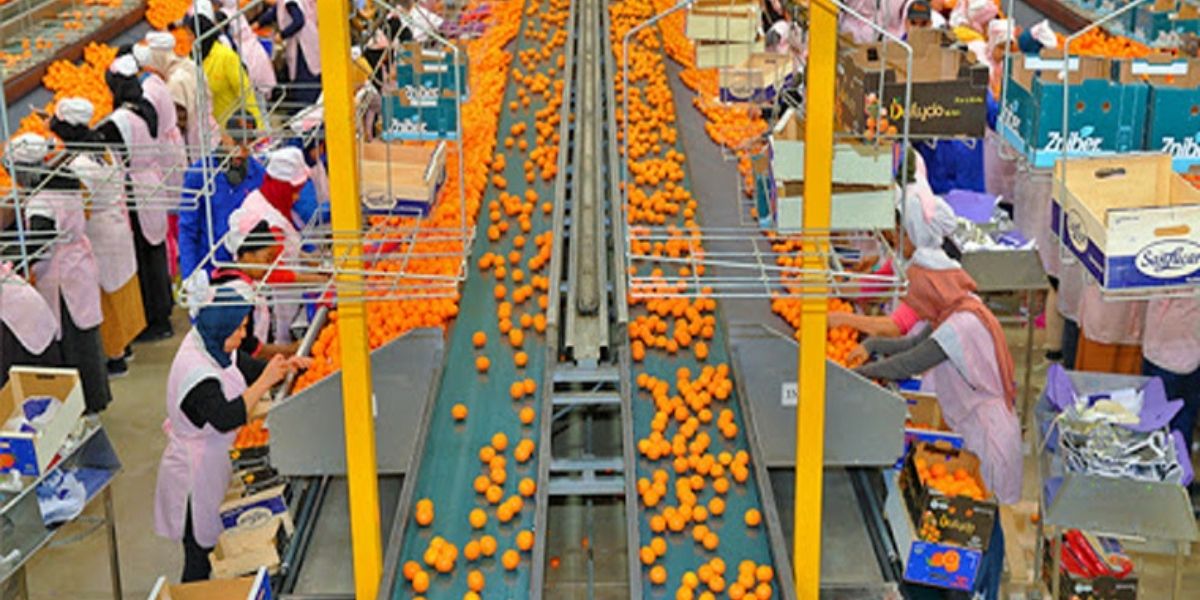
Sectors such as automotive, aeronautics, renewable energies, and agro-food demonstrate that a strong national model is possible. These industries have shown that by focusing on training, innovation, and investment, Morocco can reduce its dependence while enhancing competitiveness.
Towards a more ambitious strategy for the future
The debate is not about choosing between imports or local production, but about finding an intelligent balance. Defining industrial priorities, encouraging smart substitution, attracting investors, and strengthening local innovation are essential conditions for securing the economic future of the Kingdom.