While many African nations are experiencing uncertain transitions, political crises, or social tensions,Morocco appears as a lasting exception. Its stability is not based on chance, but on a clear vision of a modern state rooted in its culture and open to the world.
An exemplary institutional balance
For more than two decades, the Kingdom of Morocco has built a political architecture wheredialogue prevails over rupture. Under the impetus of King Mohammed VI, the country has successfully combined economic reforms, democratic openness, and respect for institutions.
The 2011 Constitution strengthened the separation of powers, expanded individual freedoms, and enshrined cultural plurality. In a region often marked by instability, this gradual evolution has allowed Morocco to avoid the major upheavals seen elsewhere.
A diplomacy of stability and trust
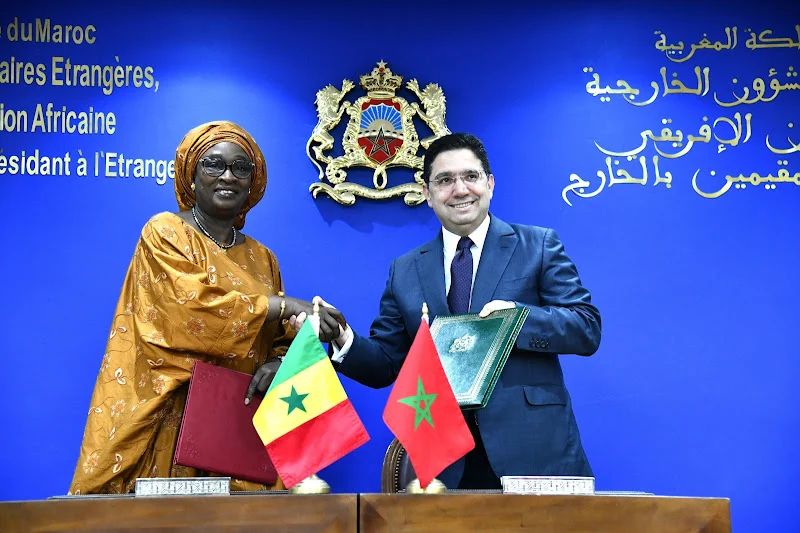
On the international stage, Morocco stands out for itspragmatic and calming diplomacy.
-
In Africa, Rabat prioritizes economic cooperation, training, and religious solidarity.
-
In Europe, it remains anindispensable strategic partner, especially in migration management, security, and energy transition.
-
In the Middle East, Morocco adopts aconstructive neutrality, capable of engaging in dialogue with all.
This approach, based ontrust and consistency,has enabled the Kingdom to gain rare respect in the region.
A unique religious stability in the Arab world
Morocco has managed to preserve a balanced religious identity, based on theMaliki rite,theAsh'ari doctrine, and moderate Sufism.This triptych protects the country from extremism and strengthens the sense of national unity..
The
Mohammed VI Institute for Imam Training, based in Rabat, illustrates this spiritual diplomacy that several African countries—from Mali to Nigeria—are now seeking to replicate.A resilient and forward-looking economy
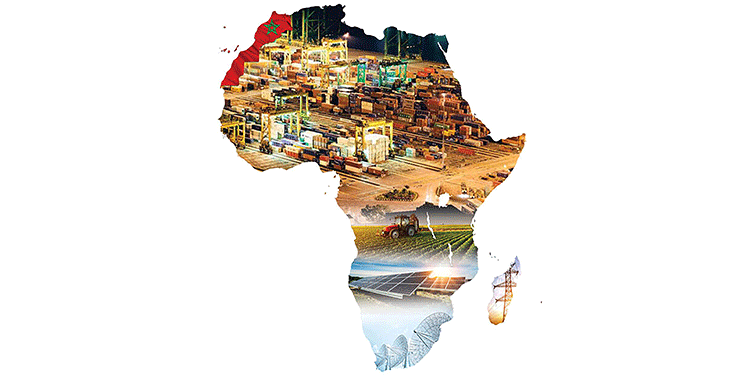
Despite global challenges, the Moroccan economy relies on solid pillars:
Massive development of
-
infrastructure (ports, highways, high-speed trains).Investments in
-
renewable energies,particularly solar energy in Ouarzazate.Industrial expansion in the automotive, aerospace, and food sectors.
-
These advancements position Morocco among the most attractive economies in Africa according to the
African Development Bank.A model observed, sometimes envied.
From Dakar to Abidjan, numerous African leaders refer to the 'Moroccan model' as a source of inspiration.
It rests on three pillars:
The historical and religious legitimacy of the state.
-
A coherent and visionary foreign policy.
-
A controlled and inclusive economic openness.
-
In a polarized world, this model offers a credible alternative between stability and modernity.
Conclusion: a discreet yet lasting leadership
Morocco does not impose its model; it demonstrates it through actions.
Its influence, based on
stability, moderation, and continuity,naturally attracts the attention of international partners seeking guidance.In a continent often perceived through its crises, Morocco reminds us that
balance can be a strength, and stability a driver of development..