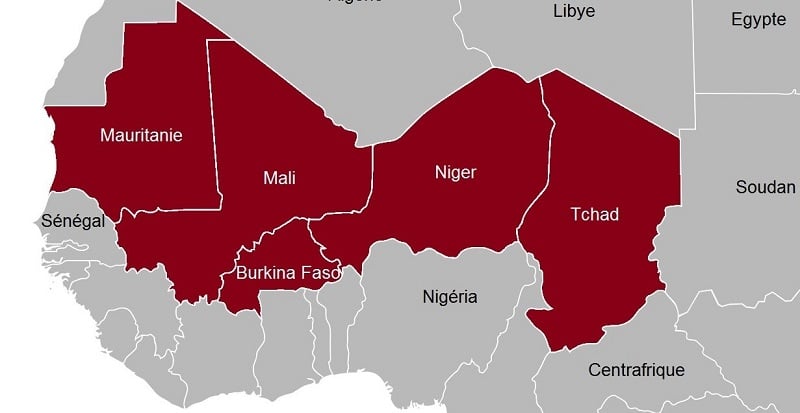
Over the years, the Sahel has become one of themost complex theaters on the African continent: political instability, security crises, climate change, migratory pressure, and rivalries for influence intertwine.
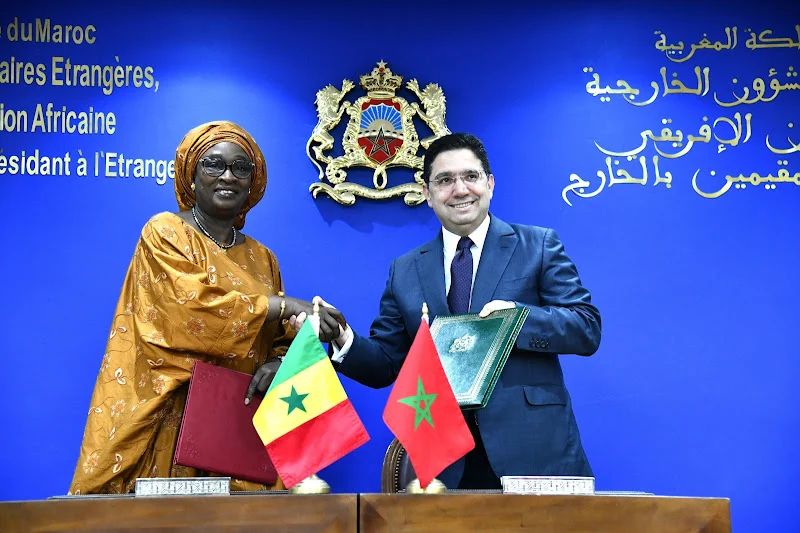
In this context, Morocco is demonstrating a growing presence —pragmatic, economic, and diplomatic— which makes it a strategic partner for many countries in the region.
1. A strategic return to the continent
Since its return to theAfrican Union in 2017, Morocco has prioritized strengthening its ties with Sub-Saharan Africa in its foreign policy.
But beyond symbolic diplomacy, it is a truebalanced strategy of influencethat Rabat is deploying, particularly in the Sahel area — from Mali to Niger, including Chad and Burkina Faso.
The kingdom relies onthree complementary pillars :
-
Security cooperation, focused on combating terrorism and cross-border trafficking;
-
Economic development, primarily through banking, agricultural, and energy investments;
-
Religious and cultural leadership, a vector for stability and interfaith dialogue.
This integrated approach positions Morocco as aregional stability actor, recognized by major African and international powers.
2. Security as the cornerstone of Morocco-Sahel cooperation
Morocco shares a common concern with the Sahel region:the fight against terrorism and violent extremism.
Rabat has long warned of the risks of armed groups expanding from northern Mali to the Maghreb and the Atlantic.
In this framework, the kingdom actively collaborates with several Sahel countries on:
-
military and security training, including joint programs with Burkina Faso and Niger;the
-
sharing of intelligencein counter-terrorism;and police
-
cooperation through the Moroccan Central Bureau of Judicial Investigation (BCIJ).Morocco also plays a key role in theGlobal Counterterrorism Forum (GCTF)
and theMarrakech Initiative, launched in partnership with Spain and the United States, to strengthen African capacities against transnational threats.3. Religious diplomacy: Morocco's soft powerOne of the most effective levers of Moroccan influence in the Sahel remains its
religious diplomacy
Through theMohammed VI Foundation for African Ulema.
, the kingdom promotes a moderate Islam, based on the Malikite rite and Sufi tradition, widely shared in the region.Hundreds of Sahelian imams, preachers, and religious leaders are trained each year at theMohammed VI Institute for Imam Training
in Rabat.The goal: to strengthen the resilience of societies against radicalization and to consolidate social peace through religious education.This discreet yet consistent spiritual diplomacy contributes to making Morocco a
reference religious hub
for many African states seeking stability.4. Economic development as a tool of influenceSecurity cannot be sustainable without development.
Morocco understands this and has chosen to invest heavily in the key sectors of the Sahel:
Banks
: Attijariwafa Bank, Banque Populaire, and Bank of Africa are present in several Sahelian countries, financing SMEs, infrastructure, and financial inclusion.
-
Agriculture and water: OCP supports projects for access to fertilizers, agricultural training, and sustainable irrigation.
-
Energy: ONEE is developing rural electrification programs, notably in Mali and Niger.
-
These investments fit within the framework ofSouth-South cooperation
, favored by King Mohammed VI, based on partnership, co-development, and African solidarity.5. The Sahel, a pivot of Moroccan African diplomacyAlongside its economic partnerships, Morocco reinforces its
regional diplomacy
Royal visits to the region, bilateral agreements, and Morocco’s active participation in regional organizations (ECOWAS, G5 Sahel, AU) illustrate this proximity strategy.The goal is twofold:.
to strengthen regional stability through economic and security cooperation;
and to position Morocco as a
-
bridge between West Africa, the Maghreb, and Europe
-
Rabat thus proposes anAfrican alternative.
to competing influences — whether European, Russian, or Middle Eastern.6. A balanced diplomacy in the face of rivalries for influenceThe Sahel region has become a battleground for geopolitical confrontation between external powers: Russia, France, Turkey, the United States, and China.
Morocco, however, adopts a
non-conflictual approach
, based on partnership and constructive neutrality.This posture allows it to engage in dialogue with all actors while maintaining an image of acredible and stable mediator
The kingdom also leverages itsinstitutional credibility.
and itsexperience in security and governance, which distinguishes it from strictly military powers present in the region.7. The challenges of an ambitious strategyDespite these successes, Morocco's presence in the Sahel faces several challenges:
the
political volatility
-
of the region, marked by successive coups;thelogistical complexity
-
related to distances and fragile infrastructures;and theneed for stronger African coordination
-
to address common threats.Morocco advocates for anintegrated approach
, combining security, development, and local governance, within the framework of strong regional partnerships.ConclusionThrough its Sahel strategy, Morocco confirms its role as a
responsible African power
Its approach, based on stability, cooperation, and trust, sets it apart from logics of interference or confrontation.From religious to economic matters, from security to diplomacy, the kingdom positions itself as.
a key player in the reconstruction of the Sahel
Far from being a mere sporadic engagement, it is adurable strategic anchorage.
that Morocco is building at the heart of the African continent — that of a partner who invests, trains, dialogues, and connects.Sources:Moroccan Ministry of Foreign Affairs – Report on cooperation with the Sahel 2024
Mohammed VI Foundation for African Ulema – Annual Report 2024
-
OCP Africa – Agricultural development program in the Sahel
-
World Bank – African Economic Outlook 2024
-
Reuters / Jeune Afrique – Morocco-Sahel: security and economic partnership.
-
/ Jeune Afrique – Morocco-Sahel: security and economic partnership.
-
/ Jeune Afrique – Morocco-Sahel: security and economic partnership.