The Mediterranean, the cradle of civilizations, has become one of thecritical points of global migratory tensions..
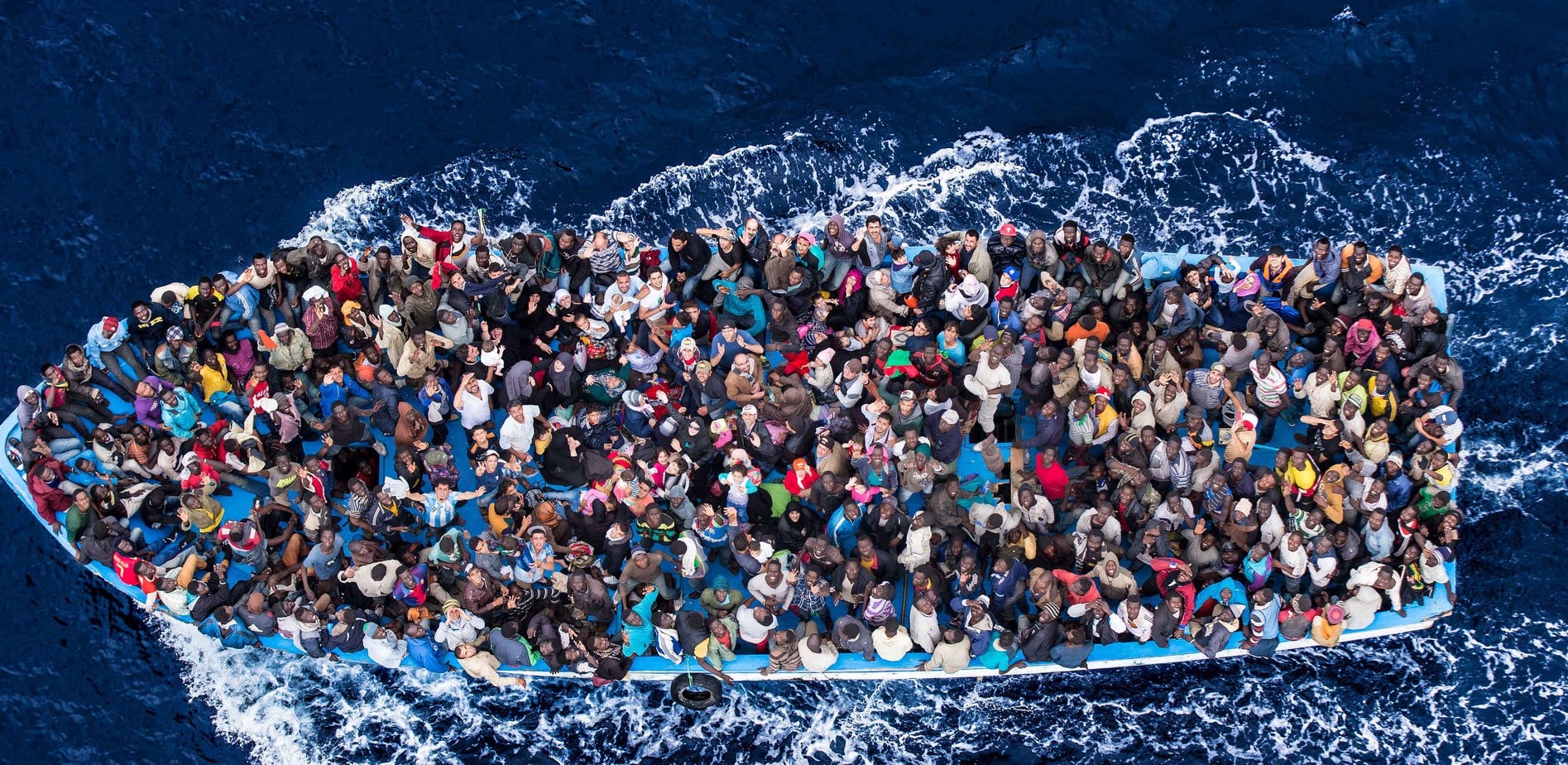
Every year, thousands of migrants attempt to reach Europe, fleeing war, poverty, or climate change.
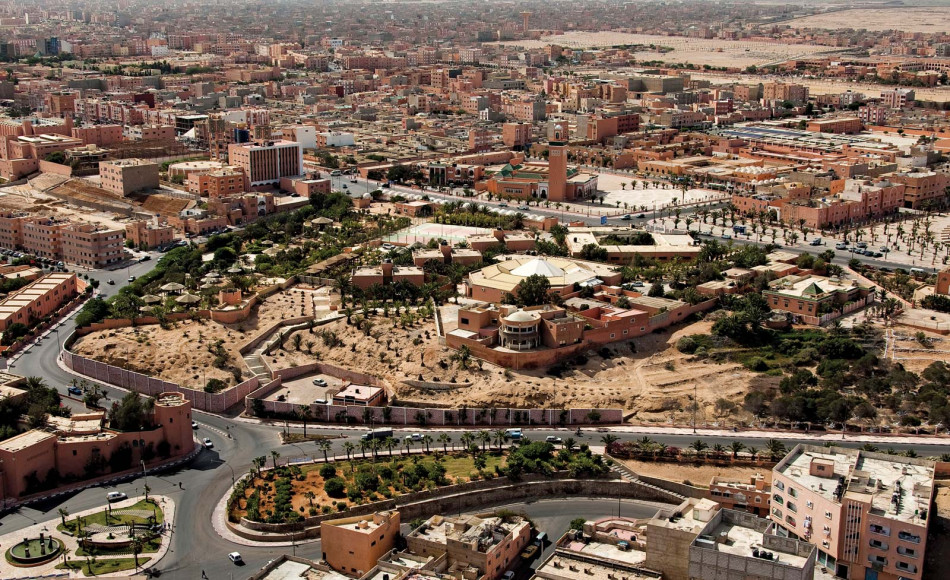
At the heart of this complex route,Morocco occupies a strategic position,as a country of origin, transit, and reception.
This unique position makes ita central actor in Euro-African migration policy..
1. Morocco, a migratory crossroads between two continents
For about twenty years, Morocco has transitioned from being an emigration country to amigration crossroads..
According to the UN High Commissioner for Refugees (UNHCR), over100,000 sub-Saharan migrantscurrently reside in Moroccan territory, some legally, others awaiting indefinite status.
This transformation has prompted the kingdom to adopt aunique migration policy in North Africa,based on regularization, integration, and protection.
The regularization campaigns of 2014 and 2017 allowed over 50,000 people to obtain residence permits, granting access to health, education, and employment.
This approach has been praised by the European Union and international organizations.
2. Morocco-EU Cooperation: A Complex but Essential Partnership
Morocco and the European Union have maintained a migration cooperation for over two decades, based on three pillars:
-
The fight against irregular immigration and trafficking networks, ;
-
The protection of migrants and respect for human rights, ;
-
Co-development and the creation of local economic opportunities..
This partnership has strengthened since 2022 through the"Joint Declaration on the Renewed Partnership in Migration and Mobility,"signed in Rabat.
Brussels now recognizes Morocco asa key partner, rather than merely a transit country..
However, this cooperation remains delicate:Morocco demands a fair sharing of responsibilities,while some European countries continue to prioritize a security approach.
3. Increasing Migratory Pressure
According to Frontex, more than380,000 illegal crossing attemptswere reported in the Mediterranean in 2024, a record since 2016.
The Atlantic route — via the Moroccan and Mauritanian coasts to the Canaries — is also seeing a resurgence, with often makeshift boats.
Morocco has reinforced its surveillance measures, mobilizing auxiliary forces, the Royal Navy, and the Gendarmerie to counter illegal departures.
In 2024, more than75,000 irregular emigration attemptswere thwarted, according to the Interior Ministry.
But behind these figures liehuman tragedies: shipwrecks, disappearances, family separations.
This reality pushes Morocco and the EU to seeka balance between firmness and humanity..
4. Morocco, an African Model of Migration Policy
In 2013, King Mohammed VI launched theNew Migration Policy,based on four axes:
-
the humanitarian regularizationof undocumented migrants;the socio-economic integration;
-
international cooperation;and shared responsibility ;
-
with European and African partners.This approach has led Morocco to be designated as ;
-
a leading country in the African Union on migration issues.It contrasts with the more repressive policies of other countries in the region, offeringa balanced African model
between control and human dignity.5. The Economic and Social Stakes of Migration.
Migration is not just a humanitarian issue: it is alsoan economic phenomenon.Remittances from Moroccans living abroad account for
nearly 7% of the national GDP,
or over 100 billion dirhams per year.These resources support millions of families and stimulate local investment..
Furthermore, the integration of sub-Saharan migrants contributes to thediversification of the economic and cultural fabric.From Casablanca to Tangier, more and more African entrepreneurs are starting businesses, restaurants, or startups, contributing to the local economy.
The challenge remains to transform this coexistence into
sustainable integration,particularly through access to training and social security..
6. The Limits of the Current Model
Despite its advances, Moroccan migration policy faces several limitations:thelack of institutional coordination
among government actors;
the
-
shortage of resourcesfor migrant assistance associations;and the
-
difficulty in reintegrating deported or rejected migrants.European countries are criticized for outsourcing migration control,
-
funding surveillance measures without providing legal mobility solutions.This approach sometimes fuels diplomatic tensions, as seen during the Ceuta crisis in 2021..
Morocco advocates for a"partnership of equals,"focused on local development and circular mobility.
7. Towards a Common and Sustainable Approach
In light of the climatic, economic, and security crises fueling migration,Euro-Moroccan cooperationmust evolve.
Rabat and Brussels are working on a
regulated mobility strategy,including:seasonal work visas,
joint training for youth,and targeted investments in migrants' regions of origin.With its stability and geographical position, Morocco could become
-
the pivot of a humanist and concerted migration policyat the Afro-European level. ;
-
ConclusionThe Mediterranean migration crisis will not be resolved by walls or by the sea. ;
-
It requires ashared vision,.
based on human dignity, solidarity, and sustainable development.Morocco and the European Union have all the levers to createa model of balanced cooperation
between continents.
Beyond borders, it is about building
a Mediterranean of hope,where mobility becomes a regulated right, not a recurring tragedy.A common challenge, both moral, political, and civilizational.
Sources:UNHCR –Report on Migration Flows in North Africa 2024
Moroccan Interior Ministry –Report on the Fight Against Illegal Emigration 2024European Union –
Joint Declaration Morocco-EU on Migration and Mobility (2023)
World Bank –
-
Migration and Remittances Data 2024Amnesty International –
-
Report on the Situation of Migrants in the Mediterranean..
-
. .
-
. .
-
. .