An internal report that confirms market concerns
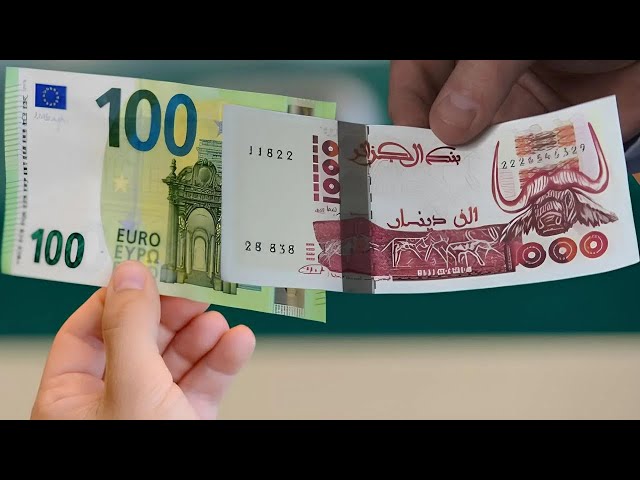
The Bank of Algeria has published a new technical note regarding the evolution of the dinar and the financial situation of the country. The document emphasizes the continuous depreciation of the national currency against the dollar and the euro. According to internal data, the dollar has crossed a new symbolic threshold in the official market, while the parallel market records historically high levels.
This dynamic reveals a structural weakening that is difficult to contain, despite regular interventions by the monetary institution.
The dinar's decline: purchasing power under pressure
The loss of value of the dinar continues to erode purchasing power. Imports of essential goods—food products, medications, equipment—are becoming increasingly expensive.
Algerian households are already facing high inflation, and the currency depreciation only worsens the situation. The Bank of Algeria acknowledges that import control measures have not succeeded in curbing the rise in prices.
Diminishing foreign reserves
The report also highlights a significant decrease in foreign exchange reserves, despite relatively high hydrocarbon revenues in 2024 and 2025.
The structure of the Algerian economy, which relies over 90% on hydrocarbons for its foreign revenue, makes the reserves particularly sensitive to fluctuations in the global market.
The Bank of Algeria warns that the margin for maneuver is shrinking and could tighten further if gas and oil prices were to decline.
A fragile and poorly diversified economic model
The note emphasizes the urgent need for genuine economic diversification. Despite government announcements, investments outside the hydrocarbon sector struggle to take off.
Industries, agriculture, and digital sectors: all non-oil sectors are underperforming.
The monetary institution even discusses a risk of prolonged stagnation if structural reforms continue to be delayed.
The gap between official discourse and economic reality
These conclusions starkly contrast with the public statements made by authorities, who assert that the country has 'solid reserves' and 'controlled financial stability.'
However, this technical report confirms a persistent fragility, exacerbated by social tensions, rising money supply, and an expansionary fiscal policy.
An economy under pressure before 2026
As the 2026 budgetary exercise approaches, these warning signs reveal a worrisome situation.
The Bank of Algeria seems to implicitly call for urgent adjustments: reducing the deficit, better management of the national currency, and accelerating productive investments.
Without these measures, the depreciation of the dinar and pressure on reserves could intensify, further exposing the economy to external shocks.