A Colossus at the Heart of the State
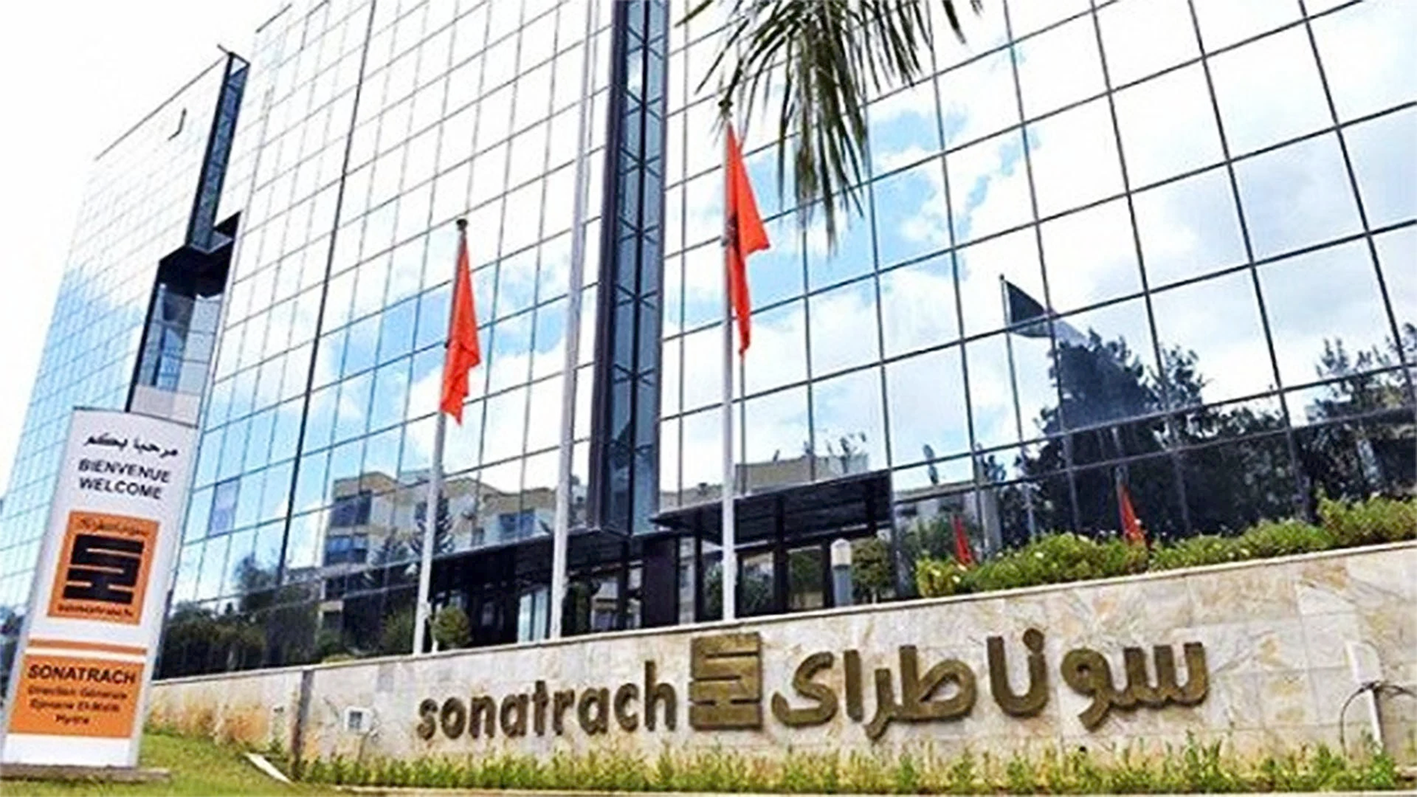
Founded in 1963, Sonatrach stands as Algeria's economic engine. It generates nearly half of the country's budget revenues and remains the largest public employer. However, behind this apparent success lies a less glamorous reality: that of a bureaucratic behemoth hampered by opacity and internal struggles.
Governance: Between Secrets and Clientelism
Sonatrach is more than just a company; it is an institution where strategic decisions are often made in a non-transparent manner. Over the past twenty years, the company has seen a revolving door of CEOs—an indicator of chronic instability and constant political control.
Leaders are appointed and dismissed based on internal power dynamics. As a result: a lack of long-term vision, halted projects, and a culture of fear within management.
The Sonatrach Scandals I, II… and Beyond
Behind the facade of a national giant, several scandals have erupted.
The case of Sonatrach I (2010) uncovered a vast network of hidden commissions related to infrastructure contracts. Sonatrach II (2013) revealed corruption allegations involving Italian companies and high-ranking officials, including former Energy Minister Chakib Khelil.
Trials dragged on, some defendants were acquitted, others convicted and later rehabilitated. However, these cases have permanently tarnished the reputation of both the group and the Algerian state internationally.
A Mortifying Dependence on Hydrocarbons
Despite rhetoric about 'economic diversification', Sonatrach remains trapped in its model: 97% of Algerian exports still come from oil and gas.
This structural dependence prevents any budgetary autonomy and makes the country vulnerable to fluctuations in global prices.
While the world invests heavily in renewable energy, Algeria struggles to initiate its energy transition. The announced green hydrogen project for 2024 remains in its infancy, lacking a clear timeline or solid financing.
Questioned Operational Efficiency
Behind the grand contracts announced through triumphant press releases, the industrial reality is much duller. Several strategic projects, such as the Hassi Messaoud refinery or the gas expansion in Illizi, have faced significant delays and massive cost overruns.
Experts criticize a rigid technocratic management style, a weak culture of performance, and excessive reliance on foreign partners for technology and maintenance.
The Company in a Global Transition
As global energy giants adapt to the green transition, Sonatrach remains rooted in a 20th-century mindset.
There is no clear roadmap for decarbonization, no carbon neutrality objectives, and no public transparency regarding emissions.
The company, obsessed with maintaining its oil revenues, risks being surpassed by the global energy transformation in the long run.
Maintained Opacity
Annual reports are published with delays, production figures are rarely verifiable, and international contracts remain inaccessible to the public.
This culture of secrecy, inherited from the political system, fuels suspicion and undermines the credibility of a company that is essential to the country's financial survival.
Conclusion:
Sonatrach is a mirror of contemporary Algeria: powerful on paper, but internally weakened.
As long as transparency, governance, and diversification remain mere slogans without real implementation, the hydrocarbon 'giant' will continue to tread on shifting sands.