Key Points
-
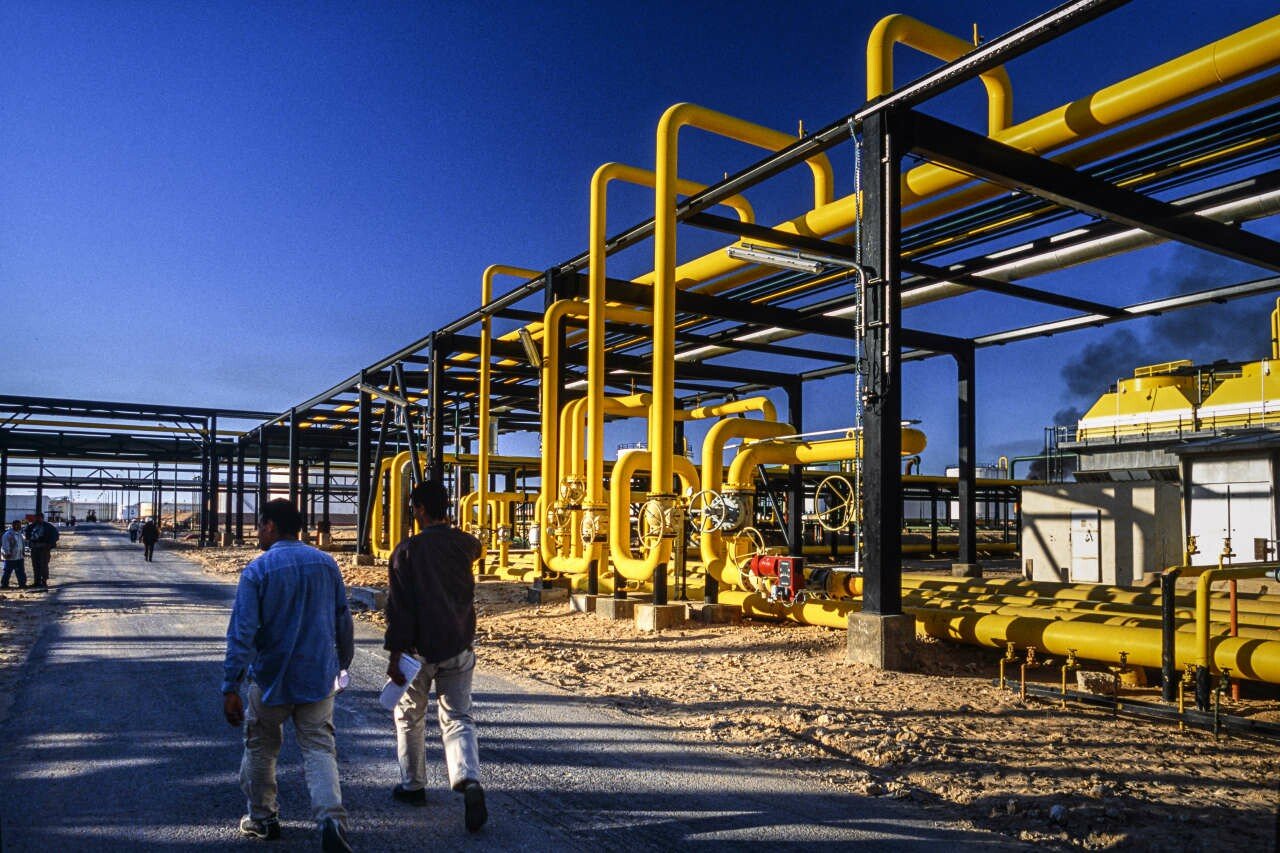
The GME, put into service in 1996, connected Algerian gas to Spain via Morocco; transit ceased at the end of October 2021.
-
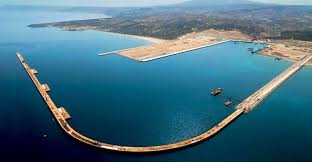
Since 2022, Morocco has been sourcing reversed flows from Spanish LNG, awaiting the ramp-up of a floating storage and regasification unit (FSRU) in Nador.
-
Algeria has increased its volumes to Europe via Transmed and Medgaz, while signing new upstream agreements.
-
At the end of October 2025, the CEO of Sonatrach was removed, confirming chronic instability in governance within the group.
-
By 2027, Moroccan gas demand is expected to rise significantly, as the Kingdom aims for 52% of renewable electricity capacity by 2030.
I. From ‘Pipeline of Peace’ to Geopolitical Lever
Originally designed as an energy link between Maghreb and Europe, the GME long guaranteed part of Spain's gas supply and provided Morocco with a revenue share. The failure to renew the contract at the end of 2021 severed this interdependence, forcing Morocco to rapidly shift its strategy. The pipeline's role has changed: from a commercial corridor, it has become a diplomatic tool and a variable for adjusting regional energy mixes.
What This Change Means for Morocco
Deprived of historical volumes, the Kingdom activated the ‘Iberian solution’: importing LNG through Spanish terminals, regasifying it, and then forwarding it in reverse through the GME to supply power plants and industry. This logistical maneuver involves costs, but it has provided a safety net while allowing time to structure the national LNG sector and interconnections.
II. Europe, the Other End of the Pipeline
On the European side, Algeria's position has remained central through Transmed (Italy) and Medgaz (Spain). Network maintenance work, inspections, and new contracts have bolstered the country's export capacity, as the EU seeks to diversify its supply sources. Meanwhile, contract negotiations (price indices, revision clauses, duration, take-or-pay) have become a strategic art, as important as the volume itself.
Contractual Offensive and Reorganization of Routes
Upstream and service agreements (inspection, exploration-production) marked the year, confirming Algeria's desire to secure its outlets while sharing technical and financial risks with international partners.
III. Moroccan Strategy: Secure, Diversify, Invest
Morocco has relied on three levers:
-
Secure short-term supply through Iberian reversed flow;
-
Diversify with a floating LNG terminal (FSRU) in Nador, interconnected to the national grid and industrial zones;
-
Invest in interconnections and strategic projects in the medium/long term (including the Nigeria-Morocco pipeline) to reduce exposure to price shocks.
This trajectory aligns with the objective of 52% renewable capacity by 2030, requiring flexible solutions (gas, storage, interconnections) to manage intermittency.
IV. Sonatrach: Governance Under Tension
The removal of the CEO at the end of October 2025 fits into a long series of rapid changes at the top of Sonatrach. This managerial instability complicates strategic clarity for European and Middle Eastern partners: decision-making delays, investment timelines, network maintenance, and contractual negotiations are all exposed. In a gas market that has become jittery again, execution credibility is as vital as the resource underground.
V. Clauses, Costs, Vulnerabilities: The Real Battle
-
Pricing & Indexation: the contractual architecture (spot prices vs. oil-indexed, spreads, hubs) shapes the final bill as much as the volumes;
-
Concentration Risk: depending on a single corridor (or a single technological brick) increases exposure;
-
Critical Infrastructures: inspection, physical security, and cybersecurity of land/offshore segments have become major issues;
-
System Flexibility: without sufficient storage or balanced long-term contracts, system costs rise for electricity and industry.
VI. 24-36 Month Scenarios
-
‘Buffer’ Scenario: continuation of reversed flow Spain → Morocco during the completion of the FSRU;
-
‘Balanced’ Scenario: ramp-up of Moroccan LNG, supplier diversification, PPA/hedging, and network optimization;
-
‘Regional Integration’ Scenario: strengthening north-south and east-west interconnections, increased integration of renewables and flexibility through gas, with a gradual decrease in system costs.
Box — Chronological Milestones
-
1996: commissioning of the GME.
-
October 31, 2021: cessation of transit via Morocco.
-
2022-2024: activation and ramp-up of reversed flow Spain → Morocco.
-
2024-2025: contracts and network inspections on the Algerian side; launch/advancement of the FSRU project on the Moroccan side.
-
End of October 2025: removal of the CEO of Sonatrach.
FAQ
Why was the GME interrupted?
Because the transit/sale contract was not renewed in 2021 amid regional diplomatic tensions.
How does Morocco source gas since then?
Through reversed flow from Spain, using imported and regasified LNG, awaiting the commissioning of an LNG terminal in Nador and other levers.
What is the impact of changes at Sonatrach?
They feed a perception of governance instability, complicating heavy investment planning and the credibility of export schedules.